null

9 kW Steam Generators

A steam shower that actually works starts with a generator sized to the space, and a 9 kW unit is one of the most commonly specified output levels for residential steam enclosures. Get the output wrong and you either wait forever for steam or cycle the generator into early failure. HVAC365 stocks 9 kW steam generator bundles so homeowners replacing an aging unit, contractors spec-ing a new build, and buyers sourcing volume orders all have what they need in one place, without chasing multiple suppliers for the pieces. These bundles sit inside the broader Steam Shower Generator Bundles lineup, which covers a range of output levels if you need to step up or down from 9 kW.

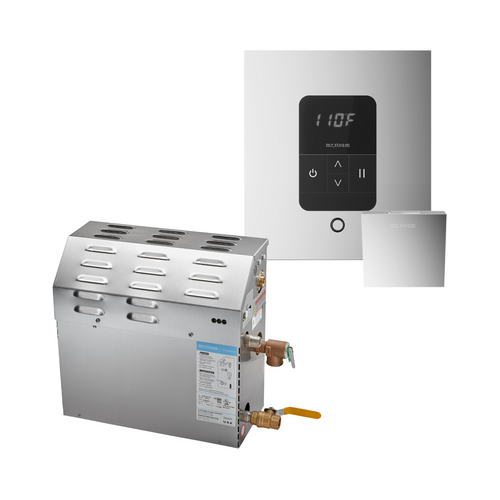
A 9 kW steam generator is a self-contained electric heating appliance that boils water to produce continuous steam for a sealed shower enclosure. The generator connects to a water supply and a dedicated electrical circuit, and it delivers steam through a steam head mounted inside the enclosure. Bundles typically include the generator, a control system (usually a digital control panel), and a steam head, so you are getting a coordinated system rather than mismatched parts. That matters more than it sounds: controls, steam heads, and generators are often designed to communicate with each other, and mixing brands or generations of components can create pairing problems that are annoying to troubleshoot after the tile is already on the wall.

This category is relevant to a wide range of buyers. A homeowner converting a shower stall or upgrading an existing steam room will find complete bundles that simplify the selection process. A contractor or installer spec-ing a custom steam enclosure for a client can match the generator output to the enclosure volume and move on. Distributors buying in volume for a fleet of hotel or spa projects will find the same stocked selection available for larger orders. The 9 kW output tier is popular across all of those use cases, which is why HVAC365 keeps it as a dedicated category rather than folding it into a general steam generator page.

Choosing the Right 9 kW Setup

The most important question to resolve before selecting a steam generator is whether 9 kW is actually the right output for the enclosure. Generator output is typically matched to enclosure volume, the construction materials of the walls and bench surfaces, and whether the space has any glass ceiling panels or exterior walls that bleed heat faster than standard tile. A stone or marble enclosure will absorb far more heat than a ceramic tile enclosure of the same size, and a generator that would comfortably steam one may struggle with the other. The sizing tables published by generator manufacturers account for these variables, and using them is not optional if you want a system that performs well and does not short-cycle or run continuously trying to maintain temperature.

If you are replacing an existing generator, the rating plate on the old unit is the fastest starting point: it tells you the output in kilowatts and the enclosure volume it was sized for. That does not automatically mean you replace it with an identical spec, because enclosures get renovated and the original sizing may have been wrong, but it is a useful anchor. For new installs, work through the manufacturer sizing guide or ask a distributor to confirm the calculation before you order.

The bundle configuration also matters as a buying decision. Some bundles are designed for single-room residential installs and include a straightforward on/off or temperature-set control panel. Others include more advanced digital controls with scheduling, chromatherapy, or aromatherapy integration. Decide which control features the finished install actually needs before selecting a bundle, because retrofitting a different control system later usually means replacing more than just the panel. The installation-readiness factors, particularly the electrical circuit and plumbing connections, are covered further down and will affect which bundles are feasible for a given site.

For contractors spec-ing multiple units across projects, lead time and consistent availability across a product line can matter as much as the unit spec itself. A bundle that is frequently backordered or that ships with a control system that has a different production cycle creates scheduling problems on a job site. Distributors sourcing in volume should factor in whether the same bundle is available in quantity, and whether the generator and included controls share a single warranty channel or split across two manufacturers.

Buying Tips

  • Do not skip the enclosure volume calculation. The most common mistake with 9 kW generators is assuming the output is universally sufficient for any mid-size steam shower. It is not. A large enclosure with stone surfaces, a glass ceiling, or an exterior wall can exceed what a 9 kW unit was rated for, even if the square footage looks modest. Do the volume calculation using the manufacturer sizing guide before you order, not after.
  • Check that the bundle's control system is compatible with any add-on features you plan to install. If the project calls for aromatherapy injectors, chromatherapy lighting, or a secondary handshower with steam, verify that the included control panel supports those accessories natively. Some controls require a specific module or firmware version to run optional features; others simply do not support them at all. Confirming this before purchase is far easier than returning a generator after installation has started.
  • Confirm the warranty covers both the generator and the control system under a single channel. Bundles from a single manufacturer typically offer unified warranty support, but some bundles pair a generator from one brand with controls or steam heads from another. Split warranty coverage means two separate support paths when something fails, which slows resolution and can complicate replacement parts.
  • Plan for the generator's physical location before finalizing the bundle. Steam generators are typically installed in a remote location, often a nearby closet or utility space, connected to the enclosure via a steam line. The maximum allowable distance between the generator and the steam head varies by manufacturer and affects steam delivery time and heat loss. Measure that run before selecting a unit rather than discovering the spec limit after the generator is on site.

How 9 kW Steam Generator Bundles Are Configured

Within this category, the meaningful differences between bundles come down to the control system, the included accessories, and the physical size and mounting requirements of the generator itself. Output is fixed at 9 kW across the category, so the configurations you will see are variations in how the system is controlled and what comes in the box, not variations in the core heating spec.

  • Standard residential bundles: Typically include the generator, a wall-mounted digital control panel, and a steam head. These are designed for single-enclosure installs and are the straightforward choice for a home steam shower replacement or new build where the enclosure is within the manufacturer's rated volume range.
  • Bundles with advanced control systems: Some 9 kW bundles include multi-function control panels that support scheduling, sleep modes, multiple user presets, or integration with optional accessories like aromatherapy or chromatherapy. These are worth the additional cost when the install is a primary bathroom or a spa-style application where the end user will use those features daily. They are not worth the premium for a utility steam room where basic on/off and temperature control is sufficient.
  • Bundles with extended accessories: Certain bundles include additional steam heads for larger enclosures, external temperature sensors, or auxiliary components like autoflushing systems that extend generator life by managing mineral buildup. Autoflushing, in particular, is a feature worth looking for in markets with hard water, where mineral scale is the primary cause of early generator failure.

If you are working through volume orders for hospitality or multi-unit residential projects, the configuration that matters most is whether the generator and controls are from the same manufacturer and available in consistent supply. Mixing bundle versions mid-project creates service and parts headaches that outlast the installation itself.

What It Takes to Install a 9 kW Steam Generator

Steam generator installations are not especially complex, but the site has to be right before the generator arrives or you will be making a second trip. Start with the electrical supply. A 9 kW generator draws significant amperage and requires a dedicated circuit; check the generator's nameplate and the installation manual for the exact amperage and breaker size before you pull permits. Most 9 kW units require a 240-volt supply, but verify the specific unit's voltage and phase requirements against the panel capacity at the site, not against a general assumption about the category.

Water supply and drainage are the other non-negotiable site conditions. The generator needs a cold-water supply line of an appropriate diameter, typically with an isolation valve for service access. It also needs a drain line for the autoflushing cycle and for draining the tank when the unit is winterized or serviced. Measure the available water pressure at the supply location and compare it against the manufacturer's minimum and maximum pressure spec; pressure that is too low or too high affects both performance and warranty coverage.

The generator itself is typically installed in a remote location near the enclosure: a closet, a vanity cabinet, or a utility space within the manufacturer's specified distance limit. Look up that maximum distance for the specific unit you are installing, because it varies and because exceeding it affects steam delivery time and may void the installation warranty. The steam line from the generator to the steam head inside the enclosure should be insulated to reduce heat loss along the run.

Inside the enclosure, the steam head location matters. Mount it low on the wall, away from the entry door and away from direct contact with bathers, because steam exits at high temperature. The control panel mounts inside the enclosure or at an accessible point just outside it; check the manufacturer spec for IP rating and mounting requirements before cutting into tile.

Controls integration is usually straightforward with a bundle from a single manufacturer, since the control panel and generator are designed to communicate with each other. If the install is adding to an existing smart home system or a building automation setup, check whether the control panel supports any external protocol or integration before assuming compatibility. Most residential steam control panels are standalone systems; commercial or hospitality installations may require a different control tier to enable remote monitoring or scheduling across multiple units.

The enclosure itself needs to be fully sealed before the generator is commissioned. Any gap in the grout, a missing door gasket, or an unsealed penetration in the enclosure wall will bleed steam and prevent the space from reaching temperature. Walk the enclosure before startup and address any sealing issues, because running the generator into a leaking enclosure will trigger the unit to run continuously and can cause premature failure.

Things You Should Know

Q: How do I know if 9 kW is the right output for my steam enclosure?

A: Use the manufacturer's sizing guide for the generator you are considering. Enclosure volume, wall material, ceiling height, and the presence of glass panels or exterior walls all factor in — stone and marble enclosures require more output than the same volume in ceramic tile. If the enclosure falls at the upper limit of a 9 kW rating, move up rather than pushing the unit to run at capacity continuously. The sizing variables are covered in detail above.

Q: What is typically included in a 9 kW steam generator bundle?

A: Most bundles include the generator, a digital control panel, and a steam head. Some add aromatherapy injectors, additional steam heads, or an autoflushing system. Read the bundle contents carefully — what is included varies significantly between product lines and affects what you still need to source separately. The bundle configuration breakdown above covers the main types.

Q: Do I need a dedicated electrical circuit for a 9 kW steam generator?

A: Yes. A 9 kW generator draws substantial amperage and must have its own dedicated circuit. Pull the installation manual for the specific unit to get the exact breaker size and wire gauge required, and verify the site panel has available capacity. Do not share the circuit with other loads.

Q: How far can the generator be installed from the steam enclosure?

A: This varies by manufacturer and model. Each generator has a rated maximum distance for the steam line run between the generator and the steam head. Exceeding it causes slower steam delivery and heat loss along the line. Check the installation manual for the specific unit — the installation section above covers how this affects generator placement planning.

Q: Why does the enclosure material affect generator sizing?

A: Dense materials like natural stone and marble absorb significantly more heat than standard ceramic tile, so the generator has to work harder to reach and hold temperature. The manufacturer sizing guide accounts for this with material correction factors. This variable is explained in the sizing section above — do not skip that step for stone or mixed-material enclosures.

Q: Can I add aromatherapy or chromatherapy accessories to any bundle?

A: Only if the control panel included in the bundle supports those accessories. Some control systems have expansion ports and firmware support for optional add-ons; others are closed systems that do not. Confirm accessory compatibility before purchasing — this is also called out in the buying tips above as a pre-order check.

Q: What maintenance does a 9 kW steam generator require?

A: The primary task is managing mineral scale inside the tank and heating element, which is especially critical in hard water areas. Many generators include an autoflushing system that purges the tank after each use to slow scale buildup. In units without autoflushing, the manufacturer will specify a manual flushing interval. Descaling on schedule is the single most important thing you can do to extend generator service life.

Whether you are sourcing a single replacement unit for a home steam shower or placing a larger order for a multi-unit hospitality project, HVAC365 ships 9 kW steam generator bundles nationwide from a stocked catalog. That availability matters when a steam system is out of service and the project cannot sit idle waiting for a generator to arrive from a regional distributor. The category covers setups for residential replacements through volume orders, and the same stocked selection is accessible regardless of order size.

Compare

Fast Shipping

Easy Returns

Warranty Coverage

Financing Available