null
Drain & Suction Covers

Drain & Suction Covers

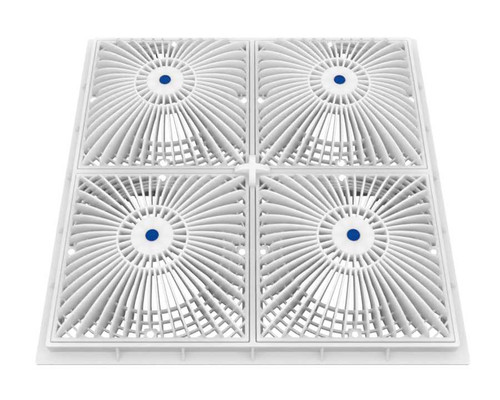
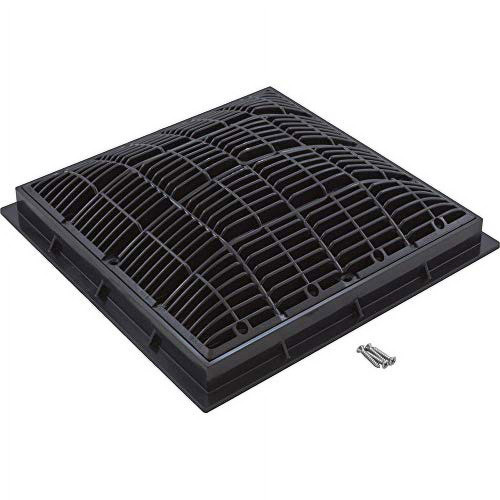
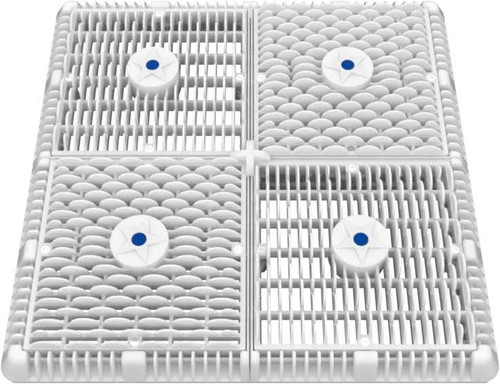
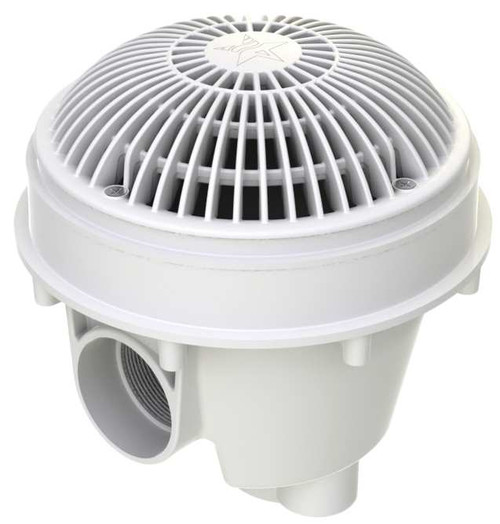
A drain cover looks like a simple piece of plastic, but it is one of the most important safety parts on any pool or spa. Main drains and other suction outlets pull water toward the pump, and a broken, missing, undersized or flat cover can trap hair, limbs, jewelry or a swimmer's body against the outlet. That is why federal law, through the Virginia Graeme Baker Pool and Spa Safety Act (VGB Act), sets requirements for suction outlet covers, and why every compliant cover has a flow rating and a service life printed on it.

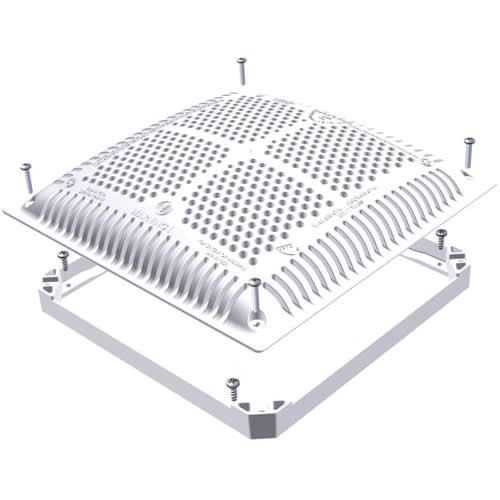
This category covers drain covers, suction outlet covers, frames and replacement hardware from brands such as Hayward, Pentair, Jandy/Zodiac, Waterway, CMP, AquaStar and others. You will find round and square covers, low-profile covers, universal retrofit covers, and covers made for spas and commercial pools. Pool service companies, commercial pool operators and builders buy most of these, often because a cover has reached its service life date. Homeowners shop here when a cover is cracked, faded or missing.

How Drain and Suction Covers Work

Every suction outlet in a pool, including main drains, spa drains, and some equalizer lines, pulls water toward the pump. The cover sits over the outlet and spreads that suction across a larger area, so no single point has strong enough pull to trap someone. Compliant covers are designed to:

  • Prevent body entrapment. A domed or raised shape and an open area that can't be fully blocked by a body.
  • Prevent hair entrapment. Openings and flow rates designed so hair is less likely to wrap and tangle.
  • Prevent limb and finger entrapment. Opening sizes too small for fingers or limbs to get stuck.
  • Prevent mechanical entrapment. Shapes that reduce the chance of jewelry, swimsuit straps or other items catching.
  • Prevent evisceration. Covers are designed and anchored so they stay in place and can't be easily removed or broken.

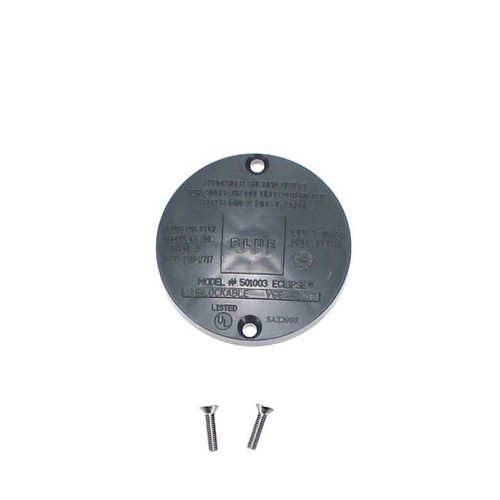
Covers are tested and certified to ANSI/APSP/ICC-16, the standard that replaced the earlier ASME A112.19.8 standard. The current edition, ANSI/APSP/ICC-16 2017, governs testing for flow rating, structural strength, UV durability and service life. Each certified cover is marked with its maximum flow rating, whether it is rated for floor or wall mounting, its service life, and the manufacturer and model.

Signs a Drain Cover Needs Replacing

  • Past the service life date. Every compliant cover has a service life, often several years. Once it passes, the cover should be replaced, even if it looks fine.
  • Cracked, broken or missing. Close the pool or spa immediately and replace it before anyone swims.
  • Faded, brittle or chalky. UV and chemicals weaken plastic. Fading is a sign the cover is breaking down.
  • Loose or missing screws. A cover that isn't properly fastened can come off. Replace screws with the manufacturer's hardware.
  • Pump upgrade. A larger or variable-speed pump may produce more flow than the cover is rated for. Check the cover rating against the maximum system flow.
  • Non-compliant cover. Flat, older covers without VGB markings should be replaced with compliant ones.

How to Choose the Right Drain Cover

  1. Identify the existing sump or frame. Covers must fit the existing sump or frame. Many manufacturers make covers for specific sumps; universal and retrofit covers fit a range of openings.
  2. Check the flow rating. The cover must be rated for the maximum flow through that outlet. Calculate it based on the pump's maximum flow and the number of outlets.
  3. Floor or wall mounting. Covers are rated for floor or wall installation, or both. Use the cover rated for your installation.
  4. Single or dual drain. In dual drain systems, the pump's flow is shared, but many codes and manufacturers require each cover to handle the full flow in case one is blocked. Follow the manufacturer's installation instructions and local code.
  5. Pool or spa. Spas often have high flow through small outlets. Use covers rated for spa use and flow.
  6. Residential or commercial. Commercial pools must meet VGB requirements plus state and local health codes, which may include additional rules for drain systems.
  7. Color. Many covers come in colors to match the pool finish. Color doesn't affect safety.
  8. Hardware. Use only the screws and hardware supplied or specified by the manufacturer.

A quick example of why the flow rating matters. Say a pool has two main drains plumbed together and a pump that can move up to about 100 GPM at its highest speed with clean filters. If either drain could end up carrying the full flow when the other is blocked, each cover needs a rating of at least 100 GPM for its mounting position. A cover rated well below that may pass a visual check but is not compliant for that system. When in doubt, use the pump's maximum flow from its published curve, not the lower flow you normally run, because a variable-speed pump can always be turned up later.

Marking on CoverWhat It MeansWhy It Matters
VGB or ANSI/APSP/ICC-16 complianceCertified to the federal safety standardRequired for public pools and strongly recommended for residential pools
Flow rating (GPM)Maximum flow the cover is rated forMust meet or exceed the maximum system flow through that outlet
Floor or wall ratingApproved mounting locationCovers must be installed only where rated
Service lifeHow long the cover is rated to lastReplace by that date
Manufacturer and modelIdentifies the coverNeeded for matching replacements
Sump requirementsMinimum sump depth or required frameThe cover must be installed on a matching sump

Installation and Safety Tips

  • Close the pool before replacing a cover. Keep swimmers out until the new cover is installed and secured.
  • Turn off and lock out the pump. Never work on a suction outlet with the pump running.
  • Follow the manufacturer's instructions exactly. Use the specified sump, frame, screws and torque.
  • Use the supplied hardware. Screws are part of the certified assembly. Don't substitute generic screws.
  • Check sump depth. Many covers require a minimum sump depth to maintain their rating. Retrofit kits may be needed for shallow or older sumps.
  • Record the service life date. Write it down in the service log so it gets replaced on time.
  • Consider other anti-entrapment measures. Depending on the pool and local code, systems may also use dual drains, a safety vacuum release system (SVRS), a gravity drainage system or an automatic pump shutoff.
  • For commercial pools, involve the health department. Some jurisdictions require inspection or documentation for drain cover changes, including a certification from a professional engineer for custom sumps.

Shopping This Category at HVAC365

All covers in this category are brand-new with the full manufacturer warranty, and product pages show flow ratings, mounting ratings and compatible sumps. Most items ship in 1-2 business days. If you need help matching a cover to your sump or confirming a flow rating, send HVAC365 photos of the existing cover markings and we can help.

Frequently Asked Questions

Do drain covers really expire?

Yes. Compliant covers are marked with a service life based on testing. Replace them by that date, or sooner if they are damaged or faded.

What flow rating do I need?

The cover must be rated for at least the maximum flow the pump can produce through that outlet. In dual drain systems, many manufacturers and codes require each cover to handle the full flow in case one drain is blocked.

Can I use a universal cover?

Yes, if it fits the sump, is rated for the flow, and is installed according to the manufacturer's instructions.

Is the VGB Act required for residential pools?

The federal VGB Act applies to public pools and spas and to all drain covers sold in the United States. Many states and local codes extend similar requirements to residential pools. Compliant covers are the safe choice either way.

What is an SVRS?

A safety vacuum release system detects a sudden rise in suction, like a blockage, and shuts off the pump or releases the vacuum. It is one of several backup protections against entrapment.

Can I install a drain cover myself?

Many covers can be replaced from inside the pool by a careful person following the instructions, but commercial pools, custom sumps and retrofits should be handled by a qualified pool professional. Always close the pool until the cover is installed.

Compare
Show: 12 24 48

Fast Shipping

Easy Returns

Warranty Coverage

Financing Available