null
Return Inlets & Jets

Return Inlets & Jets

Return inlets are where the pool gets its water back. After the pump, filter, heater and sanitizer have done their work, clean water comes through the return lines and enters the pool through wall or floor fittings. The small directional fitting at the end, usually called an eyeball, decides where that water goes. Aimed correctly, the returns set up a circulation pattern that pushes floating debris toward the skimmers, mixes chemicals evenly and keeps water from going stagnant in corners and steps. Aimed poorly, broken or missing, they leave dead spots where algae starts first.

This category covers return inlet fittings, directional eyeballs, wall fittings for concrete, vinyl and fiberglass pools, floor returns, and replacement inlet parts from brands such as Hayward, Pentair, Jandy/Zodiac, Waterway, CMP and Paramount. It also includes return jets used on spas and some therapy jet components. Pool builders and service techs shop here most, along with homeowners replacing cracked or lost eyeballs.

How Return Inlets and Jets Work

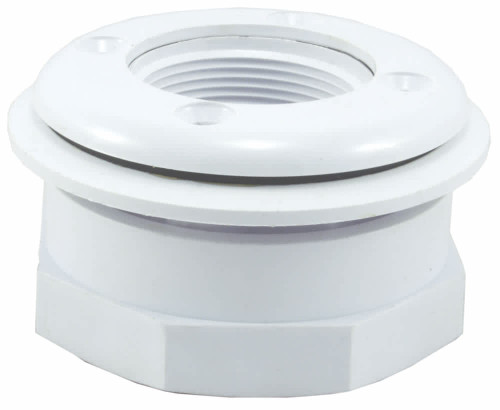
A return inlet has two main parts: the wall or floor fitting, which is plumbed into the return line and set in the pool shell, and the eyeball or directional insert that threads or snaps into the fitting.

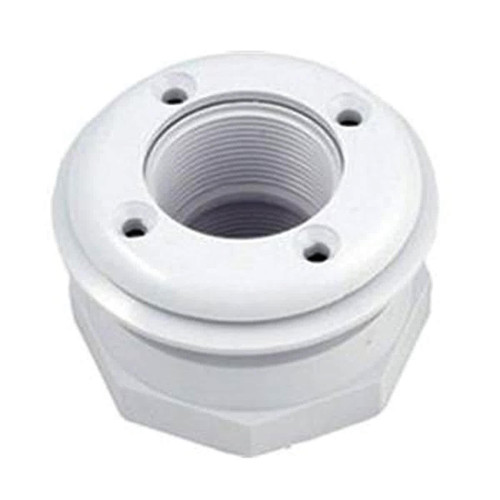
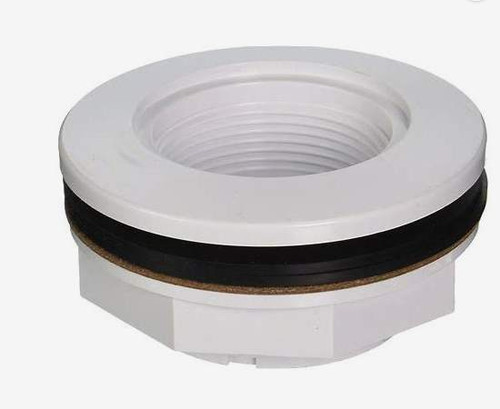
  • Wall fitting. The permanent fitting in the pool wall. On concrete pools, it is set in the shell. On vinyl and fiberglass pools, it has a face plate and gaskets that clamp to the liner or shell.
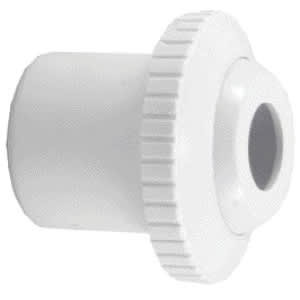
  • Eyeball fitting. A ball with an orifice that swivels to aim the flow. Eyeballs come in different orifice sizes, which change flow and velocity.
  • Floor returns. Used in some pools and in-floor cleaning systems to push water up from the floor.
  • Spa jets. In spas, return jets mix water and air to produce therapy jets. Spa jets are often more complex, with air channels, directional nozzles and adjustable flow.

The main pump pushes water out through all the return fittings at once. Smaller eyeball openings increase velocity, which helps circulation but raises back pressure on the system. Larger openings lower velocity and pressure. Balancing these is part of setting up a good circulation pattern.

Signs a Return Fitting Needs Replacing

  • Missing eyeball. Eyeballs can come loose and fall out, especially if they were not tightened or the threads are worn. Without one, the return flow loses direction and velocity.
  • Cracked fitting or eyeball. UV, chemicals and age make plastic brittle. Cracks can leak or break off.
  • Leaks around the return. Failed gaskets on vinyl and fiberglass pools, or failed seals behind the fitting on concrete pools. A dye test helps confirm.
  • Poor circulation. Dead spots, debris collecting in corners and algae in the same spots each week.
  • Stripped threads. The eyeball won't tighten or stay in place.
  • Weak spa jets. Clogged jets, failing jet inserts or air control problems.

How to Choose the Right Return Fitting or Eyeball

  1. Identify the brand and model. Look for markings on the eyeball or fitting face. Some fittings have the brand on the face ring.
  2. Match the thread or slip size. Common return sizes are 1.5 inch and 2 inch, with slip or threaded connections. Eyeballs come in thread sizes that match their fittings.
  3. Pick the orifice size. Common eyeball openings include sizes like 3/4 inch and 1 inch, and some include adjustable sizes. Smaller openings increase velocity; larger openings reduce restriction. Stick with what the system was designed for unless you are rebalancing.
  4. Pool type. Vinyl and fiberglass pools need fittings with face plates and gaskets. Concrete pools use fittings set in the shell.
  5. Color. Many fittings come in colors to match the pool finish. Color doesn't affect function, but it matters on finished pools.
  6. Spa jets. Spa jet parts are often brand- and model-specific. Match the jet body, insert and nozzle carefully.
PartFunctionWhat to Match
Wall fittingPermanent return outlet in pool wallPool type, pipe size, brand
Eyeball insertDirects flowThread size, orifice size, brand
Floor returnReturn flow from the floorBrand, pipe size, system type
Face plate and gasketSeals to vinyl or fiberglassBrand, model
Spa jet insertTherapy jet flowBrand, model, jet body size

Setting Up a Good Return Pattern

New eyeballs only help if they are aimed with a plan. Walk the pool with the pump running and watch how floating debris moves. The goal is one steady rotation that carries the surface layer past the skimmers and keeps the steps, benches and corners from going still.

  • Pick one direction. Aim every wall return the same way around the pool, clockwise or counterclockwise, so the returns work together instead of fighting each other.
  • Angle slightly down. A return aimed a little below the surface moves the whole upper water column. Aiming straight up ripples the surface but does less for circulation, though some techs aim one return up slightly to push surface debris toward a skimmer.
  • Cover the dead zones. Steps, swim-outs and the far side of an L-shaped pool are classic trouble spots. If algae keeps starting in the same place, adjust the nearest return toward it.
  • Watch variable-speed settings. At low pump speeds, return velocity drops. A smaller eyeball orifice can bring back some push at low RPM, as long as filter pressure stays in its normal range.

Spa returns and therapy jets follow their own design. They are laid out by the spa builder for comfort, and swapping inserts or nozzle sizes changes how the whole spa performs, so match the original parts unless the manufacturer lists an alternative.

Installation and Safety Tips

  • Turn the pump off before working on returns. This keeps pressure off the line and makes installation easier.
  • Use the right gaskets and screws. On vinyl and fiberglass pools, tighten face plate screws evenly to avoid tearing or wrinkling the liner.
  • Don't overtighten eyeballs. Hand-tight is usually enough. Overtightening can crack the fitting or strip threads.
  • Use a pool-safe thread sealant. If the fitting requires it, use a sealant made for PVC and pool fittings.
  • Aim the eyeballs. A common practice is to aim returns slightly downward and in the same rotational direction around the pool, creating a circular flow that pushes surface debris toward the skimmers. Adjust based on pool shape.
  • Check spa jets carefully. On spas, some jet parts may be tied to suction-side components. Never remove suction covers or fittings while the pump is on.
  • Pressure test new lines. Test return lines before closing the deck on new builds or remodels.

Shopping This Category at HVAC365

All return inlets, eyeballs and jets here are brand-new with the full manufacturer warranty, and product pages list sizes, thread types and compatible fittings. Most items ship in 1-2 business days. If you are not sure which fitting you have, send HVAC365 photos and measurements and we can help match it.

Frequently Asked Questions

How do I know what size eyeball I need?

Remove the old eyeball and measure the thread and orifice size. Check for brand markings on the face. Many eyeballs use common sizes, but brands and threads vary.

Can I change eyeball sizes to improve circulation?

Yes, within reason. Smaller openings increase velocity but raise system pressure. Larger openings lower pressure and velocity. Changes should be balanced so the filter, heater and pump stay in their normal operating range.

Why do my return eyeballs keep falling out?

Worn or stripped threads, a loose fit, or the eyeball not being tightened fully. Replacing the eyeball or the threaded fitting usually fixes it.

How should I aim my returns?

Generally, aim them slightly downward and in the same direction around the pool to create a circulation pattern that moves debris toward the skimmers. Every pool is different, so adjust and watch how debris moves.

Are spa jets the same as pool return fittings?

No. Spa jets are more complex, often mixing air and water and using brand-specific inserts. They are not interchangeable with pool return eyeballs.

Do return fittings need to be bonded?

Plastic return fittings typically do not, but metal fittings and nearby metal parts may need bonding per NEC Article 680. A licensed electrician or qualified pool professional should confirm.

Compare
Show: 12 24 48

Fast Shipping

Easy Returns

Warranty Coverage

Financing Available