null
Chemical Controllers

Chemical Controllers

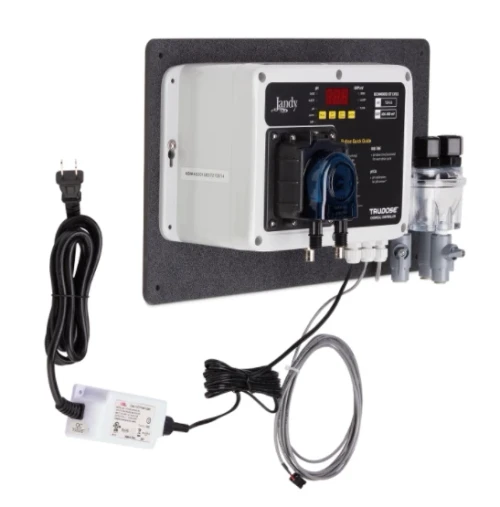
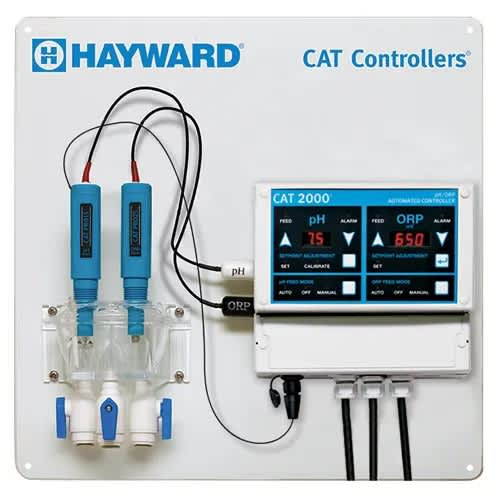
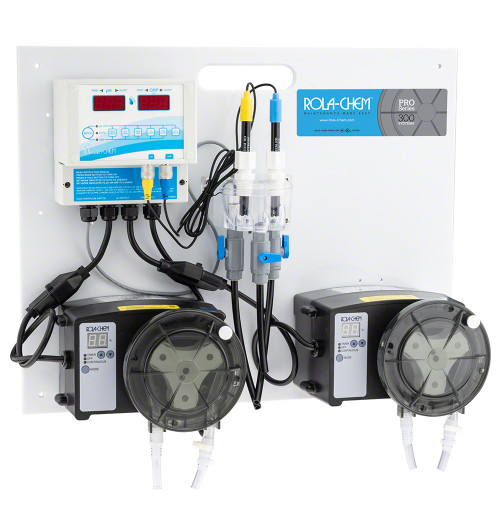
A chemical controller is the brain of an automated water chemistry system. It reads the water through sensors, usually an ORP probe for sanitizer activity and a pH probe for acidity, and switches chemical feeders on and off to hold both within setpoints. On a busy commercial pool, chemistry can swing in the time it takes a swim team to finish warm-ups. A controller reacts in minutes instead of waiting for the next manual test, and it keeps a record that the health inspector will want to see.

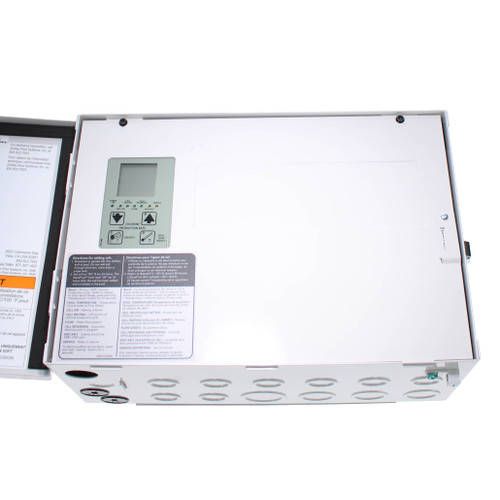
This category covers ORP and pH chemical controllers, replacement probes, probe cells and flow cells, and calibration solutions, with brands such as Hayward, Pentair IntelliChem, Stenner and Pulsar-style systems, along with dedicated commercial controller brands. Commercial pool operators, aquatic facility managers and service companies make up most buyers. Residential owners with salt systems or high-end automation also use controllers to tie chlorine output and acid feed to real-time readings.

How a Chemical Controller Works

  • Sample stream. A small line from the circulation system carries water through a flow cell where the probes sit. A flow switch confirms water is moving before the controller allows any chemical feed.
  • ORP probe. Oxidation reduction potential is measured in millivolts. It reflects how actively the water can oxidize contaminants, which tracks with the effective strength of chlorine or bromine. Many pools target roughly 650 to 750 mV, but the right setpoint depends on pH, cyanuric acid and the specific pool; set it by correlating with DPD test results, not by a number off the internet.
  • pH probe. Measures hydrogen ion activity. Most pools run a setpoint around 7.4 to 7.6. pH also strongly affects how effective chlorine is, which is why ORP readings shift when pH drifts.
  • Outputs. Relays or 4–20 mA signals drive chlorine feeders (liquid chlorine peristaltic pumps, erosion feeders, salt cells) and pH feeders (acid pumps or CO2 systems). Some controllers also drive pH-up feed where the water trends acidic.
  • Safeties. Feed timers, overfeed alarms and flow interlocks stop dosing when something is wrong, such as a dead probe or a stuck valve.
  • Monitoring. Many controllers log readings and offer remote alarms or connectivity, and some read optional sensors like temperature, conductivity, or free chlorine in ppm via amperometric probes.

Commercial and Health-Code Use

Many state and local health departments require automatic chemical controllers on public and semi-public pools, and some specify ORP and pH control, feed interlocks and data logging. The CDC's Model Aquatic Health Code also includes guidance on automated controllers. Requirements vary widely by jurisdiction, so always confirm with your local health authority. A controller supports compliance but never replaces the manual testing a code requires; operators still have to test and log free chlorine, pH and other parameters on the required schedule.

Signs a Controller or Probe Needs Attention

  • ORP or pH reading drifts away from manual test results even after recalibration.
  • Slow response. A healthy probe settles within a minute or so after being moved into a buffer solution. Slow or wandering readings indicate a fouled or aging probe.
  • Reading stuck at one value or showing the same number regardless of chemistry. Check the cable, connector and probe.
  • Overfeed or feed-timeout alarms. Something is preventing setpoint from being reached: an empty tank, a lost prime, a failed feeder or a probe telling the controller wrong information.
  • Probe age. pH and ORP probes are consumables. Many last one to two years in pool service, depending on chemistry and maintenance.
  • Flow alarm with the pump running. A clogged sample line or strainer, a closed valve, or a failed flow switch.

How to Choose a Controller or Replacement Probes

  1. Feed equipment. Match output type to the feeders you have or plan to use. Liquid chlorine pumps, salt cells, erosion feeders and CO2 systems all connect differently.
  2. Automation integration. Pentair IntelliChem integrates with Pentair automation, and Hayward systems integrate with Hayward automation. Mixing brands is possible with stand-alone controllers but loses integration features.
  3. Commercial requirements. Check what your health department requires for alarms, logging, remote notification and interlocks.
  4. Sensors. Decide whether ORP plus pH is enough or whether free chlorine (ppm) sensing is required or useful.
  5. Replacement probes. Match the connector type (commonly BNC), probe body size and the controller manufacturer's specification. Using an unapproved probe may affect accuracy and warranty.
Parameter What It Tells You Common Setpoint Range Controls
ORP (mV) Sanitizer activity Often about 650 to 750 mV, set by correlation Chlorine or bromine feed
pH Acidity; affects chlorine strength About 7.4 to 7.6 Acid or CO2 feed (or base feed)
Free chlorine (ppm, optional) Direct sanitizer concentration Per local code and pool Chlorine feed
Flow Sample water is moving On / off Enables or blocks all feed
Temperature (optional) Water temperature compensation N/A Reading accuracy, heater monitoring

Installation, Calibration and Safety Tips

  • Line-voltage wiring to a licensed electrician. Controllers and feed pumps connect to pool circuits covered by NEC Article 680. Interlock all chemical feed with the circulation pump so chemicals cannot be pumped into a static line.
  • Never allow feed without flow. Concentrated acid and chlorine meeting in a pipe without flow can release chlorine gas. Inject acid and chlorine at separate points, with the injection points spaced as the manufacturer and code require.
  • Calibrate pH with fresh buffer solutions at the interval the manufacturer recommends. Keep buffers capped and replace them when expired.
  • Check ORP with a reference solution, and set the ORP setpoint by correlating it to DPD free chlorine tests.
  • Keep probes wet. A dried-out pH probe may never recover. Store spare probes in their caps with storage solution.
  • Clean probes gently with the manufacturer's recommended cleaner. Do not scrub the glass bulb or the platinum ORP band with abrasives.
  • Clean the sample strainer and flow cell on your regular service visits.
  • Wear eye and hand protection when servicing feed lines and tanks.

Shopping This Category at HVAC365

HVAC365 stocks brand-new chemical controllers, probes and accessories with full manufacturer warranty. Each product page lists sensor types, outputs, connector style and compatible feeders so you can match equipment to your system. Orders ship in 1-2 business days. If you need help confirming a probe for an existing controller or sorting out what a commercial install requires on the equipment side, send us the controller model and feed setup and we will help.

Frequently Asked Questions

What ORP setpoint should I use?

Many pools land between roughly 650 and 750 mV, but ORP depends on pH, cyanuric acid and other factors. Set it by testing free chlorine with a DPD kit and noting the ORP reading at your target chlorine level.

How often should I calibrate the pH probe?

Follow the manufacturer's recommendation, commonly monthly or whenever readings drift from manual tests. Commercial pools often verify more often.

Does a chemical controller replace manual testing?

No. You still need to test and log chemistry on the schedule your health department requires, and use those tests to verify and calibrate the controller.

How long do probes last?

Typically one to two years, depending on chemistry, cleanliness and whether the probe was ever allowed to dry out.

Can I use a chemical controller with a salt chlorine generator?

Yes. Many controllers can command a salt cell's output, and some salt systems integrate controllers such as IntelliChem with automation directly.

Does cyanuric acid affect ORP control?

Yes. Stabilizer binds part of the free chlorine, so ORP reads lower at the same ppm level. Outdoor pools with high cyanuric acid can make ORP control erratic. Many commercial operators keep stabilizer low or use a free chlorine sensor alongside ORP.

Where should the sample line be taken from?

Usually after the filter and before any chemical injection points or heater, so the probes read water that represents the pool. Follow the controller manufacturer's piping diagram.

Why does ORP drop when pH goes up?

Chlorine becomes less active at higher pH, and ORP reflects that. Keep pH controlled and stable so ORP control can work properly.

Compare
Show: 12 24 48

Fast Shipping

Easy Returns

Warranty Coverage

Financing Available