null
DE Filter Grids

DE Filter Grids

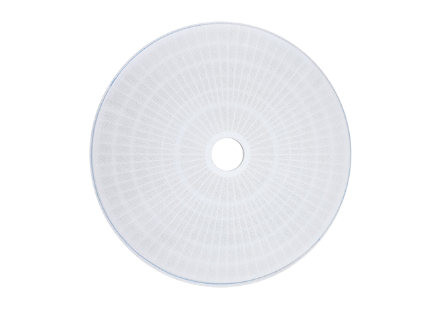
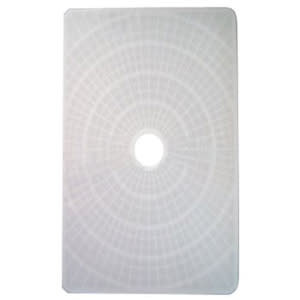
DE filters can filter water finer than any other common pool filter, but the fine filtering isn't done by the grids themselves. It is done by the thin coat of diatomaceous earth (DE) powder that sticks to the grids. The grids are the backbone: fabric-covered frames that hold the DE coating in place. When a grid tears, collapses or gets blinded with oils and minerals, the DE coat can't form correctly. DE ends up in the pool as a fine dust on the floor, pressure climbs too fast, or water stays cloudy no matter how often the filter is backwashed.

This category covers DE filter grids, complete grid sets, partial grids, manifolds, and related internal parts for vertical grid DE filters from brands such as Pentair, Hayward, Jandy/Zodiac and others, along with cross-reference equivalents. Pool service techs buy grids when they find damage during a filter teardown, and homeowners buy full sets when the old ones are too worn to clean back to life.

How DE Filter Grids Work

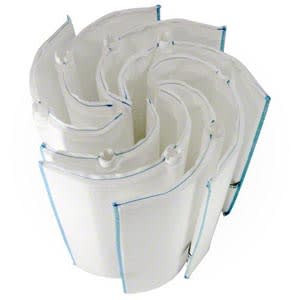
In a vertical grid DE filter, a set of curved, fabric-covered grids stands upright around a center pipe. A manifold at the top connects all the grids to the filter outlet. Water flows from the outside of the grids, through the fabric, up into the manifold and out to the pool.

  • Grids. Fabric-covered plastic frames. Most vertical grid filters use a set of full-size grids plus one partial or short grid, placed where the center pipe or inlet sits. A common arrangement is seven full grids and one partial, but it varies by filter.
  • Manifold. Connects the top of each grid to the outlet. It must be intact and sealed, or DE and dirt bypass the filter.
  • Spreader or bottom support. Holds the grids in position at the bottom.
  • Air bleed and standpipe. Let trapped air escape. Air in the tank can keep part of the grid surface from coating.
  • DE coating. After the filter is started or backwashed, DE powder is added through the skimmer. It coats the grids and does the fine filtering.

Some DE filters, such as the Hayward Perflex line, use flexible tubes or fingers instead of grids and a bump handle to clean them. Those parts are separate from vertical grids and are matched by filter model.

Signs Your DE Grids Need Replacing

  • DE returning to the pool. A fine gray or white dust on the pool floor after backwashing usually means a torn grid, a damaged manifold or a bad seal.
  • Torn or worn fabric. Visible tears, holes or very thin fabric.
  • Broken grid frames. Cracked or crushed frames often come from high pressure or freeze damage.
  • Pressure rising too fast. Grids blinded with oils, minerals or DE that has hardened can't be cleaned back to normal.
  • Cracked manifold. DE and dirt bypass the grids.
  • Cloudy water. If chemistry is good and the pump is running enough, grid or manifold damage may be the cause.

Cleaning vs Replacing

Backwashing removes much of the dirt and old DE, but it doesn't fully clean the grids. Most pool pros recommend a full teardown cleaning at least once or twice a year, depending on bather load and debris.

  1. Shut off the pump and relieve pressure.
  2. Remove the grid assembly. Follow the manufacturer's instructions. Note the order and position of each grid, especially the partial grid.
  3. Hose the grids. Rinse the DE and dirt off with a garden hose. Avoid pressure washers.
  4. Degrease. Soak in a filter cleaner made for oils and organic buildup.
  5. Descale if needed. Use an acid-based cleaner after degreasing in hard-water areas.
  6. Inspect. Check each grid for tears, crushed frames and worn fabric, and check the manifold for cracks.

If several grids are damaged or the fabric is worn thin, a full replacement set is usually better than replacing one grid at a time.

A good habit after any teardown is to write down the clean starting pressure once the new DE coat is on. That single number tells you when to backwash next, and if a fresh coat on clean grids still starts noticeably higher than it used to, the grids are telling you they are blinded and close to the end of their life.

How to Choose the Right DE Grids

  1. Filter brand and model. Grids are matched to specific filters. Find the model on the tank label.
  2. Square footage. Common residential vertical grid filters are rated around 36, 48 and 60 square feet, with larger sizes for big pools. Grid size and count match the filter's rating.
  3. Full set or individual grids. A full set includes all full grids and the partial grid. Individual grids can replace one or two damaged ones.
  4. Grid dimensions. If the model is unknown, measure grid height and width and note the connection style at the top.
  5. Manifold. If the manifold is cracked, replace it at the same time.
  6. Cross-reference equivalents. Equivalent grids are available for many common filters. Product pages list the OEM filters each grid fits.
Filter Size (Sq Ft)Typical UseDE Dose Rule of Thumb
36Smaller residential poolsAbout 1 lb per 10 sq ft, or per manufacturer label
48Average residential poolsAbout 1 lb per 10 sq ft, or per manufacturer label
60Larger residential poolsAbout 1 lb per 10 sq ft, or per manufacturer label
72 and upLarge residential and some commercial poolsFollow manufacturer label

The manufacturer's label on the filter is the final word on DE dose. Too little DE leaves bare spots on the grids where oils and fine dirt blind the fabric. Too much can bridge between grids and cause high pressure. A common approach is to measure DE with a coffee can or scoop marked for weight, then add it slowly through the skimmer with the pump running.

Installation and Safety Tips

  • Turn off the pump and relieve pressure first. Never open a pressurized filter.
  • Install grids in the right order. Place the partial grid in the correct position, usually near the inlet or center pipe, as the manufacturer directs.
  • Seat grids fully into the manifold. Loose connections let DE bypass.
  • Lubricate the tank O-ring. Use a silicone or Teflon-based lubricant made for pool O-rings.
  • Bleed air after restart. Open the air relief until steady water flows.
  • Add DE after every backwash or teardown. Add the correct amount through the skimmer with the pump running.
  • Handle DE safely. DE powder can contain crystalline silica. Avoid breathing dust, add it slowly, and wear a dust mask or respirator.
  • Dispose of DE properly. Many areas don't allow DE to drain into sewers or storm drains. Check local rules, and use a separation tank where required.

Shopping This Category at HVAC365

All DE grids, grid sets and manifolds here are brand-new with the full manufacturer warranty, and product pages list square footage, compatible filters and dimensions. Most items ship in 1-2 business days. If you are not sure which grids fit your filter, send HVAC365 the filter model and we can help match them.

Frequently Asked Questions

How much DE should I add?

A common rule of thumb is about 1 pound per 10 square feet of filter area, but always follow the manufacturer's label on your filter.

Why is DE coming back into my pool?

Usually a torn grid, a cracked manifold or grids not seated correctly. Tear down the filter and inspect.

Can I replace just one grid?

Yes, if only one is damaged and the rest are in good shape. If several are worn, replace the full set.

How often should I clean DE grids?

Backwash when pressure rises about 8 to 10 PSI above clean, and do a full teardown cleaning at least once or twice a year.

What is a partial grid?

A shorter or narrower grid that fits where the center pipe or inlet is. It must be installed in the correct position.

Can I use a DE alternative?

Some cellulose-based filter aids can be used in DE filters. Check the filter manufacturer's guidance before switching.

Why did my grids collapse?

Crushed grids usually come from running the filter at very high pressure, often from too much DE, a badly blinded set, or a closed or restricted return valve. Freeze damage can also crack frames. Find and fix the cause before installing new grids.

Compare
Show: 12 24 48

Fast Shipping

Easy Returns

Warranty Coverage

Financing Available