null
Floating Chlorine Dispensers

Floating Chlorine Dispensers

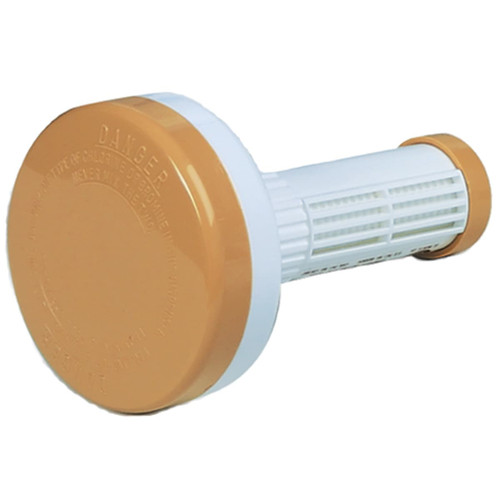
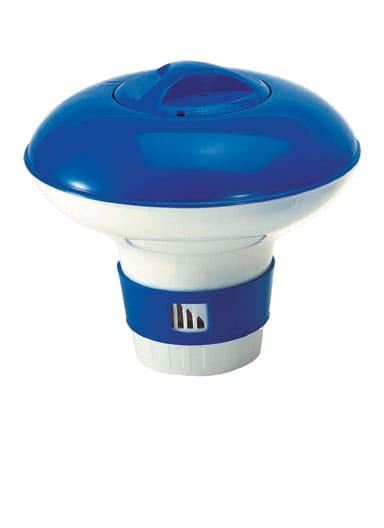
A floating chlorine dispenser is the simplest automatic sanitizer you can buy: a plastic float that holds chlorine or bromine tablets and drifts around the pool or spa, letting water slowly dissolve the tablets through adjustable vents. No plumbing, no power, no installation. Floaters are everywhere on above-ground pools, small in-ground pools and hot tubs, and pool pros keep them in the truck as a quick way to hold a chlorine residual on a pool that is waiting on a repair.

This category covers floating chlorine and bromine dispensers in several sizes, from small spa floaters that hold 1-inch tablets to large pool floaters that hold several 3-inch tablets, along with collapsible models that adjust for different tablet loads. Most buyers are homeowners replacing a cracked, faded or lost floater. Service companies buy them in quantity for seasonal customers and for pools between equipment repairs.

How a Floating Dispenser Works

The dispenser's chamber sits partly below the waterline. Water moves through slots or vents in the lower section, dissolving the tablets inside. A rotating collar or adjustable ring opens or closes those vents, controlling how much water reaches the tablets and therefore how fast they dissolve. The top float keeps the unit upright, and many models include a tether ring so the floater can be anchored away from steps, skimmers and swimmers.

Output depends on more than the dial setting. Warmer water, more water movement from returns and wind, and more tablets in the chamber all increase dissolve rate. That is why a floater set the same way all summer can overshoot in August and undershoot in May.

Dialing in a floater

Set a new floater near its lowest opening with a full load of tablets, then test free chlorine every day for the first week at the same time of day. If chlorine is dropping, open the vents a step. If it is climbing past target, close them a step or remove a tablet. Most pools settle into a routine within a week or two. Recheck after big changes, such as a heat wave, a pool party, a long run of rain or a change in pump schedule, because each one shifts chlorine demand. On spas, the right setting with the cover on can be very different from the setting with the cover open all weekend.

Signs It Is Time to Replace a Floater

  • Cracks, brittleness or bleached plastic. Chlorine and sunlight break down plastic over time. A cracked floater can release tablets onto the pool floor.
  • The adjustment collar no longer turns or stays put, so you cannot control output.
  • The floater lists, sinks lower than it used to, or tips over. Water inside the float chamber.
  • Lost tether or broken lid latch on a model that is otherwise fine. Some floaters have replacement parts, but the whole unit is often the practical replacement.
  • Bleached liner spots where the floater tends to park. That is a sign it is sitting in one place against the wall or floor. Reposition or tether it, and inspect the liner.

How to Choose the Right Floating Dispenser

  1. Tablet size. Spa floaters are made for 1-inch tablets or bromine tablets. Pool floaters are made for 3-inch tablets and may also accept 1-inch tablets. Using 3-inch tablets in a small spa almost always overshoots.
  2. Capacity. Pick a size that holds enough tablets to cover a week or more for your pool volume. Larger pools need larger floaters or more than one.
  3. Chemical. Use a floater with chlorine or bromine as labeled. Do not mix chemicals or switch types without rinsing the floater thoroughly.
  4. Adjustability. A wide adjustment range helps you dial in output for season changes.
  5. Features. Look for a secure lid, a tether point and a design that stays upright when tablets get low.
Floater Type Typical Tablets Best For Notes
Spa floater 1-inch chlorine or bromine tablets Hot tubs and small spas Keep output low; remove when spa is in use if label advises
Standard pool floater 3-inch trichlor tablets Above-ground and small in-ground pools Tether away from steps, ladders and skimmers
Large or jumbo pool floater Several 3-inch tablets Larger pools; longer refill intervals Watch for high output in hot weather
Collapsible floater Varies Adjusting capacity as tablets dissolve Stays upright with fewer tablets

Floaters vs Inline Tab Feeders vs Skimmer Tablets

Floating dispensers, inline tab chlorinators and skimmer basket tablets all use the same tablets, but they behave differently.

  • Floaters need no plumbing and work even when the pump is off, which keeps some chlorine in the water during power outages and pump repairs. Their output is harder to control precisely, and they can drift into corners and stall.
  • Inline and offline tab feeders give steadier control and keep tablets out of the pool, but they require plumbing and correct placement after the heater with a check valve.
  • Tablets in the skimmer basket are common but concentrate acidic chlorinated water in the pump, filter and heater, which can damage equipment over time, especially heaters and some pump seals. Many equipment manufacturers advise against it. A floater or feeder is the better choice.

Safety and Best-Practice Tips

  • Use only the tablet type the floater is labeled for. Never put calcium hypochlorite (cal-hypo) in a floater that has held trichlor or the reverse. The two can react violently and produce chlorine gas.
  • Open floaters away from your face and outdoors. Gas builds up inside the chamber.
  • Wear gloves when handling tablets and wash hands after. Trichlor is a strong oxidizer and acidic.
  • Tether the floater away from steps, ladders and skimmers. A floater pulled into a skimmer can block flow, and one parked against a vinyl liner can bleach it.
  • Remove floaters when people are swimming in small pools and spas, and keep them away from children, who may treat a floater as a toy. Store tablets in their original container out of reach.
  • Do not let tablets sit on the pool floor. Concentrated trichlor bleaches and damages vinyl liners and can etch plaster.
  • Test free chlorine and pH regularly. Trichlor lowers pH and adds cyanuric acid over time. Keep CYA in check, because high stabilizer reduces chlorine effectiveness.
  • Remove the floater before shocking or adding other chemicals so it does not get splashed with cal-hypo or other products.

Shopping This Category at HVAC365

HVAC365 carries brand-new floating chlorine and bromine dispensers with full manufacturer warranty. Product pages list tablet size, capacity and dimensions so you can pick the right floater for your pool or spa. Orders ship in 1-2 business days. If you are not sure whether a floater or an inline feeder fits your pool better, ask and we will help you sort out the options.

Frequently Asked Questions

How many tablets go in a floating chlorinator?

Follow the floater's capacity and the tablet label. Start with fewer tablets and a low vent setting, then adjust based on daily chlorine tests.

Can I use a pool floater in my hot tub?

It is not recommended. Pool floaters and 3-inch tablets release too much chlorine for a small volume of hot water. Use a spa floater with 1-inch tablets or bromine as labeled.

Why is my liner bleached where the floater sits?

The floater is parking in one spot and releasing concentrated chlorine. Tether it to keep it moving in open water, and keep tablets off the floor.

Can I use a floater with a salt chlorine generator?

Usually there is no need, and trichlor adds acidity and stabilizer. It can be a short-term backup if the salt cell is down.

Should I put chlorine tablets in my skimmer instead?

It is common but not ideal. Concentrated chlorinated water passes through the pump, filter and heater, which can damage equipment. A floater or properly installed feeder is a better choice.

How long do floating dispensers last?

Typically a season or more, depending on sun exposure and chemical concentration. Replace once the plastic cracks or the adjustment no longer holds.

Compare

Fast Shipping

Easy Returns

Warranty Coverage

Financing Available