null
Mineral Sanitizers

Mineral Sanitizers

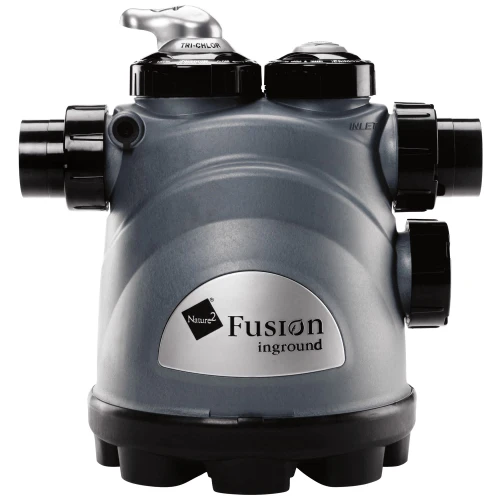
A mineral sanitizer is a supplemental system that releases small amounts of metal ions, usually silver and often copper or zinc, into the pool or spa water to help control bacteria and algae. The idea is simple: let the minerals carry part of the sanitizing load so the pool can run on a lower chlorine level, with less chlorine smell, less eye and skin irritation and fewer swings in water quality. Most systems take the form of a cartridge or canister that sits in a dedicated in-line or off-line housing on the equipment pad, inside the skimmer, or in a floating dispenser in a spa.

The most important thing to understand is that a mineral sanitizer is not a chlorine replacement. Every common residential mineral system is designed to work alongside a low but steady residual of chlorine, or bromine in some spa systems. This category carries mineral sanitizing systems and replacement cartridges from Zodiac Nature2, King Technology Frog and similar brands. Pool service techs who run mineral systems on customer pools, homeowners who want gentler water and spa owners looking to cut chemical use all buy here. Always follow the product label: these are registered sanitizing products, and the label sets how they must be used.

How Mineral Sanitizers Work

Silver and copper ions have long been known to inhibit bacteria and algae. A mineral cartridge holds a media bed, often silver-treated material and sometimes a copper or zinc component, along with buffers that help hold pH and keep the minerals in a controlled release. Water flows through or around the cartridge, picks up a small, controlled dose of ions and carries them through the pool.

  • Silver is primarily a bactericide. It helps control bacteria between chlorine contact.
  • Copper is primarily an algaecide. It helps keep algae from getting a foothold, especially in warm water.
  • Zinc and other media appear in some systems as part of the mineral blend or as a support material.
  • Chlorine or bromine still does the oxidizing work: breaking down sweat, oils, sunscreen and other organics, and providing fast-acting sanitizing that minerals cannot match on their own.

Because the minerals help with bacteria and algae control, the label for many systems allows a lower free chlorine level than a traditional chlorine-only pool, often around 0.5 ppm or a bit higher depending on the system. Some spa systems pair a mineral cartridge with a separate chlorine or bromine cartridge that releases a measured amount of sanitizer. Others use a mineral cartridge alongside liquid, granular or tablet chlorine added by the owner or service tech.

There are also electric ionizers, which use electrodes to release copper and silver ions. They work on the same basic principle but need power and periodic electrode replacement. Most of this category focuses on cartridge-based systems that need no wiring.

Signs a Cartridge Is Spent or the System Needs Attention

  • Cartridge past its rated life. Mineral cartridges are dated and rated for a set period, commonly around six months on many residential systems. After that, ion release drops even if the cartridge looks intact. Write the install date on the housing or in the service log.
  • Algae showing up at normal chlorine. Green tint, slippery walls or algae in corners at the label's chlorine level often means the minerals are depleted or flow through the cartridge is low.
  • Chlorine demand climbing. If you need more chlorine than usual to hold the target level, the mineral support may be fading. Also check stabilizer level, bather load and organic contamination.
  • Cloudy water. Usually a filtration, balance or sanitizer problem. Check the filter, pH, alkalinity and chlorine first, then the mineral cartridge.
  • Cracked housing or leaks. In-line housings can crack from freeze damage, over-tightening or age. Replace damaged housings and O-rings promptly.
  • Staining. Blue-green or dark stains on plaster or fixtures can point to too much copper, low pH, or copper from another source such as a heater heat exchanger or a copper algaecide. Test metals and balance the water.

How to Choose the Right Mineral Sanitizer

  1. Pool or spa. Pool systems are sized for larger volumes and mount in-line, off-line or in the skimmer. Spa systems are smaller and often sit in the filter core or a floating dispenser. Do not swap pool and spa cartridges.
  2. Pool volume. Cartridges and systems are rated for a maximum number of gallons. Choose a system rated at or above your pool's volume.
  3. Mounting style. In-line housings install directly in the return plumbing after the filter and heater. Off-line or bypass housings tap into the plumbing with a small side stream. Skimmer and floating units need no plumbing. Pick the style that fits the pad and the owner's maintenance habits.
  4. Existing brand. Replacement cartridges are brand-specific. A Nature2 housing takes a Nature2 cartridge, and Frog systems take Frog cartridges. Read the existing housing or cartridge label for the model before ordering.
  5. Chlorine source. Decide how the remaining chlorine will be supplied: a tablet chlorinator, liquid chlorine, a salt chlorine generator, or a companion cartridge. Check the mineral system's label for compatibility. Some systems call for a specific chlorine source or advise against certain products.
  6. Surface and finish. On pools with plaster, light-colored finishes or certain metal fixtures, pay attention to copper levels and water balance. Many owners choose systems that rely mainly on silver for this reason.
  7. Maintenance commitment. Cartridge systems need regular replacement on schedule. A system only works if the cartridges are kept current.
System TypeWhere It MountsBest ForThings to Know
In-line pool cartridgeReturn plumbing on the equipment padInground pools with room on the padInstall after the filter and heater; needs a clear flow path
Off-line or bypass pool cartridgeSide stream tapped off the plumbingPads where in-line space is tightFlow control or valve setting matters
Skimmer or floating unitSkimmer basket or pool surfaceAbove-ground and smaller poolsNo plumbing; check basket fit and pool size rating
Spa mineral cartridgeFilter core or floating dispenserHot tubs and portable spasSmaller volume; often paired with a chlorine or bromine cartridge
Electric ionizerPlumbing with a powered control unitOwners who want adjustable ion outputNeeds power and electrode replacement; requires copper testing

Installation and Safety Tips

  • Follow the label. Mineral sanitizers are registered sanitizing products. Use them only as directed, at the stated pool size and with the stated chlorine or bromine level.
  • Install in-line housings after the heater. Most in-line mineral housings go on the return line after the filter and heater, often before any chlorinator or salt cell. Follow the manufacturer's plumbing diagram exactly.
  • Use the right glue and fittings. Use PVC primer and cement suitable for the pipe, and let joints cure before running the pump.
  • Keep a chlorine residual at all times. Never let chlorine drop to zero. Without it, organic contaminants build up and the water becomes unsafe.
  • Balance the water. Keep pH, total alkalinity, calcium hardness and stabilizer in range. Low pH can increase metal levels in the water and raise the risk of staining.
  • Test for copper. If the system uses copper, test copper level on a routine basis and keep it within the manufacturer's recommended range.
  • Handle chemicals safely. Store chlorine, acid and other pool chemicals separately, in a cool, dry place, and never mix them. Wear gloves and eye protection when handling them.
  • Replace on schedule. Mark replacement dates and stick to them. A spent cartridge still looks like it is working, but it is not.

Shopping This Category at HVAC365

Every mineral system and cartridge in this category is brand-new with the full manufacturer warranty. Product pages list pool size ratings, mounting style and compatible housings so you can match what is on the pad, and most items ship in 1-2 business days. If you are not sure which cartridge fits your housing, send HVAC365 the model on the existing unit and we will help you match it.

Frequently Asked Questions

Can I stop using chlorine with a mineral system?

No. Residential mineral systems are designed to work with a reduced but steady chlorine or bromine level. Minerals help with bacteria and algae control, but they do not oxidize organic contaminants. Follow the label's minimum sanitizer level.

How often should I replace the mineral cartridge?

Follow the manufacturer's stated life. On many residential systems, it is around six months, but some cartridges and spa products differ. Replace the cartridge on schedule even if it looks fine.

Will a mineral system stain my pool?

Staining is uncommon when water is balanced and the system is used as directed, but copper-based systems can stain if pH runs low or copper levels build up. Test pH and metals regularly, and check for other copper sources in the system.

Can I use a mineral system with a salt chlorine generator?

Many owners do, and some mineral systems are labeled as compatible with salt systems. Check the label and installation guide for your specific product, including plumbing order and recommended chlorine level.

Can I use a pool mineral cartridge in a spa?

No. Pool and spa cartridges are sized and labeled for different volumes and conditions. Use the cartridge made for your spa and your brand of housing or dispenser.

Do mineral sanitizers work in hot water?

Yes, there are mineral products made specifically for spas and hot tubs. Hot water raises sanitizer demand, so keep an eye on chlorine or bromine levels and follow the spa product's directions closely.

Compare

Fast Shipping

Easy Returns

Warranty Coverage

Financing Available