null
Pool Filter Media

Pool Filter Media

Filter media is the part of a pool filter that actually does the filtering. The tank, the multiport valve and the laterals only hold it in place and move water through it. When the media wears out, packs down, channels or gets the wrong load, water clarity goes first, then pressure readings stop making sense, and eventually you start chasing chemistry problems that are really filtration problems. Replacing media on schedule is one of the cheapest ways to keep a pool clear and a circulation system running at normal pressure.

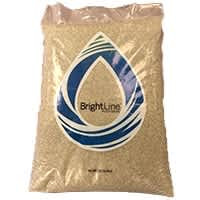
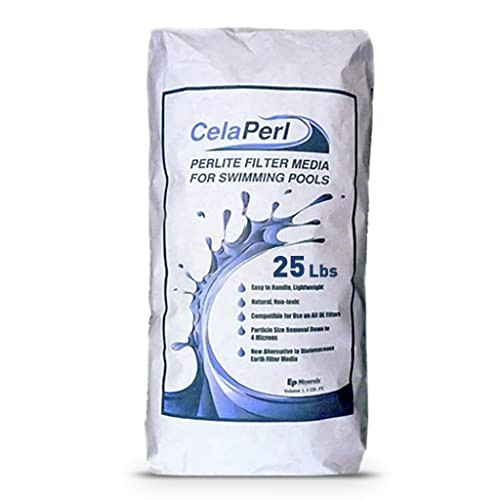
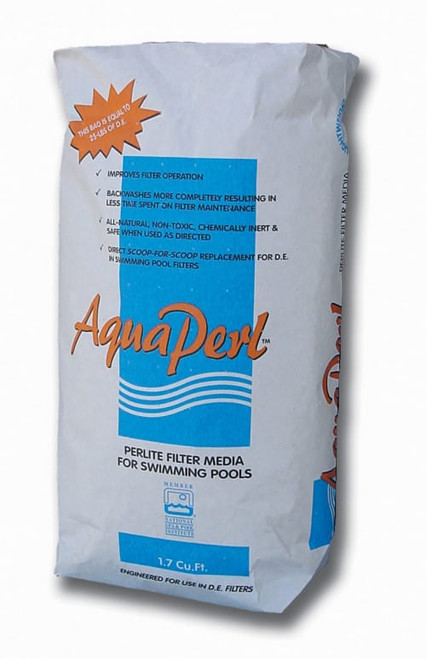
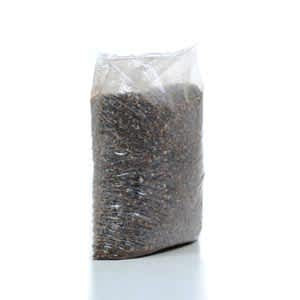
This category covers replacement media for sand and DE filters: #20 silica pool filter sand, zeolite media such as ZeoSand, recycled crushed glass media, diatomaceous earth (DE) powder and cellulose fiber DE alternatives. Service techs buy these by the pallet during spring openings and filter rebuilds. Homeowners usually come here when the sand in a ten-year-old filter has finally turned into a solid cake, or when the DE they bought at a big-box store turns out to be the wrong amount for their grid set.

How Each Type of Filter Media Works

All pool filter media works by giving dirt something to get stuck in. The difference is how fine the openings are and how the media is loaded into the filter.

  • #20 silica sand. The standard media for residential and commercial sand filters. Grade #20 sand is screened to a fairly uniform particle size, roughly 0.45 to 0.55 mm, which leaves spaces between grains that trap debris down to roughly 20 to 40 microns. Over years the sharp edges round off, oils and calcium bind the grains together, and the bed channels.
  • Zeolite media (ZeoSand and similar). A natural mineral with a porous, honeycomb-like structure. It traps finer particles than silica sand, and many manufacturers state it also adsorbs ammonia, which can reduce chloramine formation. It is lighter than sand, so a filter usually takes less weight of zeolite than silica sand for the same bed depth. Follow the media maker's fill chart rather than swapping pound for pound.
  • Glass media. Crushed, tumbled recycled glass graded for pool filters. The angular particles and slight surface charge help it catch finer debris than silica sand, and it tends to resist the biofilm and caking that plague old sand beds. Glass is also lighter than sand by volume, so the fill weight is typically lower. It backwashes cleanly and usually lasts longer than silica.
  • DE powder. Diatomaceous earth is the fossilized skeleton of microscopic diatoms. In a DE filter it is mixed into the water and carried onto fabric-covered grids or fingers, where it forms a thin cake. That cake is the filter. DE traps particles down to roughly 3 to 5 microns, which is why DE pools have that polished look. Each backwash flushes the spent cake, so DE has to be recharged after every backwash.
  • Cellulose fiber. A wood-pulp based alternative to DE that coats grids the same way. It is used where owners or local rules want to avoid DE dust or disposal issues. Dosing differs from DE, so follow the label.

Signs It Is Time to Replace or Recharge Media

  • Sand older than about five to seven years. That is the common rule of thumb for silica sand in residential service. Heavy bather loads, high calcium or frequent algae can shorten it. Glass and zeolite usually last longer, but check the manufacturer's guidance.
  • Short filter runs. If a sand filter climbs 8 to 10 psi over clean pressure within a few days of backwashing, the bed may be caked or packed with oils, or there may be a broken lateral elsewhere in the system.
  • Pressure that never rises. A sand filter that runs at clean pressure forever is not filtering. The bed is probably channeling, meaning water has cut paths straight through without passing through the media.
  • Cloudy water with good chemistry. When chlorine, pH and alkalinity are in range and the pool still will not clear, filtration is the likely weak point.
  • DE coming back into the pool after a recharge. A light puff right after recharging can be normal. Steady DE on the floor means a torn grid, a cracked manifold or a missing O-ring.
  • DE filter pressure jumps right after recharging. Too much DE, clogged grids that need a degreaser soak, or a grid set at the end of its life.

How to Choose the Right Media and Amount

Always start with the filter's data plate or owner's manual. It lists the media type the filter is designed for, the fill quantity and the filter area in square feet. Never put DE in a sand filter, and never put sand in a DE or cartridge filter.

  1. Confirm media type. Sand filters can usually take #20 silica, zeolite or glass. Some manufacturers specify only silica sand and may limit warranty coverage for alternatives, so check before switching. DE filters take DE or cellulose, nothing else.
  2. Find the fill quantity. For sand filters it is listed in pounds of #20 silica sand. Common residential tank sizes take roughly 100 to 350 pounds, with larger commercial vessels much more. For glass or zeolite, use the media maker's conversion. Many glass products call for about 80 to 85 percent of the sand weight, and zeolite usually runs lighter still.
  3. For DE, use filter area. The industry rule of thumb is about 1 pound of DE per 10 square feet of filter area, which works out to roughly two standard 1-pound coffee-can scoops for a 24 sq. ft. filter, four for 48 sq. ft. and six for 60 sq. ft. Always defer to the label on the filter. After a backwash, use slightly less than a full charge, because some DE is left behind.
  4. Do not substitute sand grades. Play sand, masonry sand and #30 or #40 grades are too fine or inconsistent. They pack, plug laterals and get pushed into the pool. Use pool-grade #20 silica.
Media Used In Typical Filtration How Much Typical Service Life
#20 silica sand Sand filters About 20 to 40 microns Per filter label, in pounds About 5 to 7 years
Zeolite (ZeoSand) Sand filters Finer than silica sand Less weight than sand; follow media chart Often longer than sand; follow maker's guidance
Glass media Sand filters Finer than silica sand Roughly 80 to 85% of sand weight, per maker Often longer than sand
DE powder DE grid and finger filters About 3 to 5 microns About 1 lb per 10 sq. ft. of filter area Recharge after every backwash
Cellulose fiber DE grid and finger filters Similar to DE Usually less volume than DE; follow label Recharge after every backwash

Installation and Safety Tips

  • Turn the pump off and lock out the breaker before opening any filter. Bleed pressure through the air relief valve and confirm the gauge reads zero. A filter clamp or lid released under pressure can cause serious injury.
  • Protect the standpipe and laterals when changing sand. Cover the open top of the standpipe with a cup or tape so media does not fall in. Fill the tank about halfway with water before pouring media, which cushions the laterals and keeps them from cracking under the first bags.
  • Inspect internals while the tank is empty. Cracked laterals and worn standpipe O-rings are the most common reason sand ends up in the pool. Replace anything brittle while you have the chance.
  • Backwash and rinse new media until the sight glass runs clear before returning to filter. Glass and zeolite especially carry fines out of the bag.
  • Wear a dust mask with DE. Dry DE dust can contain crystalline silica, which is a respiratory hazard. Wear a properly rated respirator, avoid creating airborne dust and never pour it in a closed room. Treat silica sand and glass dust with the same respect when pouring.
  • Always add DE through the skimmer with the pump running, pre-mixed as a slurry in a bucket of water. Never add it directly to the filter tank or through the pump strainer basket while the pump is off.
  • Check local rules for disposal. Many municipalities restrict draining DE or backwash water into storm drains. A separation tank or bag-style DE catcher may be required.

Shopping This Category at HVAC365

HVAC365 carries brand-new filter media in original manufacturer packaging, with full manufacturer warranty and specifications listed on every product page so you can match type, grade and bag weight to your filter label. These items ship in 1-2 business days. If you are not sure how many bags of sand or glass a specific filter takes, or whether a filter model accepts zeolite or glass, send us the filter make, model and tank diameter and we will help you sort out the right quantity.

Frequently Asked Questions

How often should I change the sand in my pool filter?

Every five to seven years is the usual guideline for silica sand in a residential pool. If the filter runs short cycles, never builds pressure, or the water stays cloudy with good chemistry, change it sooner.

Can I switch from sand to glass or zeolite in my existing filter?

In most sand filters, yes. Use the media maker's fill chart because both are lighter than sand by weight, and check the filter manufacturer's documentation first, since a few specify silica sand only.

How much DE do I add after a backwash?

Use roughly 1 pound per 10 square feet of filter area as a starting point, slightly less after a partial backwash, and always follow the filter label. Too much DE drives pressure up and shortens the run.

Can I put DE in a sand filter to make it filter finer?

Some techs add a small amount of DE to a sand filter as a polishing aid, and some manufacturers allow it in limited amounts. Too much will clog the bed. Check the filter manual before trying it, and never use it as a substitute for replacing worn media.

Why is sand coming back into my pool?

Almost always a cracked lateral, a broken standpipe or a damaged multiport valve spider gasket. New sand will not fix it. Empty the tank, inspect and replace the internals, then refill.

Compare
Show: 12 24 48

Fast Shipping

Easy Returns

Warranty Coverage

Financing Available