null
UV Sanitizers

UV Sanitizers

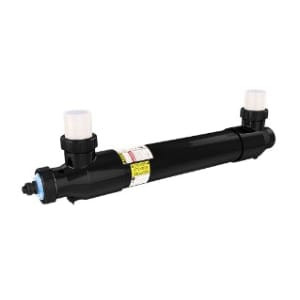
A UV sanitizer is a chamber in the pool plumbing that exposes water to ultraviolet-C light as it passes through. UV-C damages the DNA of bacteria, viruses, algae spores and protozoa, so they cannot reproduce. That includes Cryptosporidium, a chlorine-resistant parasite that is a major cause of recreational water illness and can survive for days in properly chlorinated water. UV also breaks down chloramines, the compounds behind that stinging "chlorine" smell at indoor pools. Like every supplemental system, UV leaves no residual, so the pool still needs chlorine or bromine.

This category covers UV sanitizer systems and their wear parts: complete UV units for residential and commercial pools, replacement UV lamps, quartz sleeves, ballasts and O-ring kits. Builders spec UV on new residential pools for owners who want a lower-chemical feel, service companies add it for customers with skin and eye sensitivity, and commercial operators use it to help meet health-department expectations around Cryptosporidium and combined chlorine.

How a UV Pool Sanitizer Works

  • The lamp. Low-pressure UV lamps emit most of their energy at 254 nanometers, right where microorganisms are most sensitive. Medium-pressure lamps put out a broader range at higher intensity and are mostly found on large commercial systems.
  • The quartz sleeve. The lamp sits inside a clear quartz tube that keeps water off the lamp while letting UV pass through. A clean sleeve matters as much as the lamp.
  • The chamber. Water flows around the sleeve inside a stainless or plastic housing. Chamber diameter, length and internal flow path control how long the water is exposed.
  • The ballast. A power supply that starts and drives the lamp. Many ballasts include a lamp-out indicator or hour counter.

UV dose: the number that matters

Disinfection depends on dose, which is UV intensity multiplied by exposure time, measured in millijoules per square centimeter (mJ/cm²). Commercial and public pool guidance, including the CDC's Model Aquatic Health Code, generally calls for secondary UV systems validated to deliver a dose that achieves a 3-log (99.9 percent) reduction of Cryptosporidium, often cited at around 40 mJ/cm² at the system's rated flow. Residential units are commonly sized for a stated dose at a maximum flow rate. Because dose falls as flow rises, a unit that works at 40 gpm may underperform at 80 gpm.

Several things reduce the delivered dose: high flow, a dirty or scaled quartz sleeve, an aging lamp and cloudy water. Water clarity is measured as UV transmittance (UVT); clear, well-filtered pool water lets more UV through than turbid water.

Signs a UV System Needs Service

  • Lamp at or past its rated life. Low-pressure lamps are commonly rated around 9,000 to 13,000 hours, roughly a year of continuous use, but always check the maker's spec. They keep glowing long after UV output has dropped too far to disinfect well.
  • Lamp-out light or alarm. Check the lamp, ballast and connections.
  • Combined chlorine and odor creeping back on an indoor pool that used to stay under control.
  • Cloudy or scaled quartz sleeve. Calcium and iron film on the sleeve block UV even with a new lamp. High pH and high calcium hardness speed this up.
  • Water inside the sleeve or at the lamp connector. A cracked sleeve or failed O-ring. Shut it down immediately.
  • Ballast hum, heat or intermittent lamp start. Ballasts fail with age and heat, especially in hot equipment rooms.

How to Choose and Size a UV System

  1. Size by flow rate, not just pool gallons. Start with the pump's actual flow through the system. For variable speed pumps, use the highest speed the pool runs for extended periods, or plan a bypass so the UV chamber sees no more than its rated flow.
  2. Match the dose rating to the application. Commercial and public pools should use systems validated for the dose and flow your health department requires. Residential systems list dose at a rated flow; pick one that covers your real flow with margin.
  3. Confirm pipe size and orientation. Check connection size and whether the chamber can mount horizontally or vertically. Leave clearance to pull the lamp and sleeve straight out; this is often the forgotten measurement.
  4. Power. Confirm voltage and whether the unit should be interlocked with the pump.
  5. Replacement parts. Lamps and quartz sleeves are model-specific in length, diameter, base type and wattage. Match by the system manufacturer and model, or by the lamp's printed part number.
Factor Effect on UV Dose What to Do
Flow above rating Lower dose; less exposure time Size up or install a bypass with a flow meter
Aging lamp Gradual loss of output Replace on the maker's hour interval
Scaled or fouled sleeve UV blocked before reaching water Clean or replace sleeve; keep calcium and pH balanced
Cloudy water (low UVT) UV absorbed by particles Fix filtration and chemistry first
Hot equipment room Shorter ballast life Shade and ventilate equipment

Lamp and Quartz Sleeve Replacement Tips

  • Power down first. Turn off the pump and the UV unit at the breaker. Close isolation valves and relieve pressure before opening the chamber.
  • Let the lamp cool. Lamps run hot; give them several minutes.
  • Never look at a lit UV lamp and never power a lamp outside the chamber. UV-C causes painful eye and skin burns.
  • Handle the lamp and sleeve with clean cotton or nitrile gloves. Fingerprints bake onto quartz and block UV.
  • Replace O-rings every time you pull the sleeve. Lubricate only with a lubricant the manufacturer approves.
  • Clean the sleeve with a mild acid or the manufacturer's recommended cleaner and a soft cloth. Replace it if it is etched, cracked or permanently clouded; many manufacturers suggest replacing sleeves every few lamp changes.
  • Dispose of lamps properly. Low-pressure UV lamps contain small amounts of mercury. Do not break them, and recycle per local rules.
  • Use a licensed electrician for hard-wired installs. Pool equipment falls under NEC Article 680 for GFCI, bonding and location.

Shopping This Category at HVAC365

HVAC365 stocks brand-new UV systems, lamps and quartz sleeves in original packaging with full manufacturer warranty. Product pages list flow ratings, connection sizes, lamp wattage and part numbers so you can match a replacement lamp or size a new system with confidence. Orders ship in 1-2 business days. If you are not sure which lamp or sleeve fits an existing chamber, send us the unit's model information and we will help cross-reference it.

Frequently Asked Questions

Does UV replace chlorine in a pool?

No. UV treats only the water passing through the chamber and leaves no residual. The pool still needs chlorine or bromine to sanitize water in the pool itself.

How often should I replace the UV lamp?

Follow the manufacturer's rated life, commonly around a year of continuous run time for low-pressure lamps. Replace on schedule even if the lamp still glows, because UV output drops well before the lamp fails.

Can UV kill Cryptosporidium?

Yes, at an adequate dose. UV is one of the few practical ways to inactivate Crypto in pool water, which is why it is common on commercial and public pools.

My new lamp is lit but the water still smells like chloramines. Why?

Check the quartz sleeve for scale, confirm flow is within the unit's rating and verify water clarity. Indoor air handling and breakpoint chlorination also play a big part in chloramine control.

Can I run a UV system on a variable speed pump?

Yes. At low speeds flow is lower, which actually raises dose. Size the unit for the highest flow you will run for long periods, and check that the system's flow switch or interlock works at your low speed.

Where should a UV system be installed in the plumbing?

Typically after the filter, so clean water passes the lamp, and before any chlorinator or salt cell. Heaters are usually upstream as well. Follow the manufacturer's diagram and leave room to service the lamp and sleeve.

Do I need to clean the quartz sleeve?

Yes, periodically. How often depends on calcium, pH and iron levels. Inspect it at each lamp change at minimum.

Compare

Fast Shipping

Easy Returns

Warranty Coverage

Financing Available