null
Automation Control System Kits

Automation Control System Kits

An automation control system kit is the brain of a modern pool pad. Instead of a row of mechanical time clocks, toggle switches and a technician walking out to turn valves by hand, one controller runs the filter pump, heater, lights, cleaner booster pump, water features, spa jets and valve actuators from a single schedule. The owner gets a wall panel, a remote or a phone app. The service tech gets one place to look when something does not run.

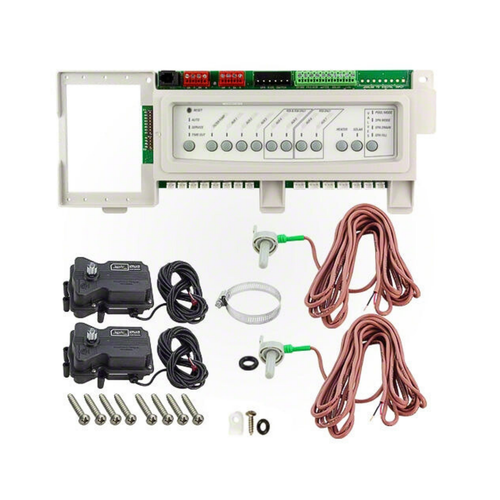
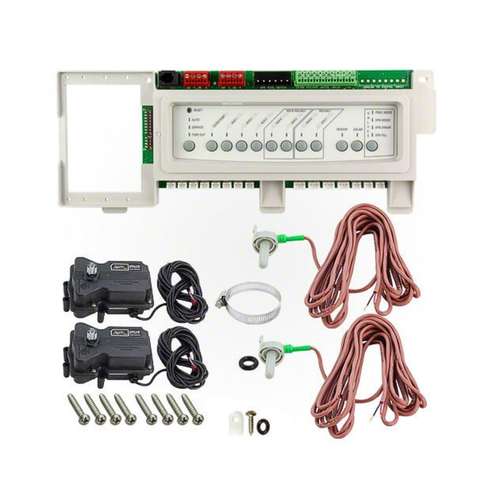
This category covers complete control kits from the three platforms that dominate residential pools: Jandy AquaLink RS and the iQ connectivity add-ons, Pentair IntelliCenter, EasyTouch and IntelliConnect, and Hayward OmniLogic, OmniPL and OmniHub. Pool builders buy these for new construction, service companies buy them to replace failed or outdated controls, and homeowners upgrading an older pad buy them with an electrician lined up to install. Kits usually ship with the power center or load center enclosure, the main control board, high-voltage relays, temperature sensors and, on pool and spa models, at least one or two valve actuators. Exact contents vary by model, so read the product page closely.

How Pool Automation Works

Every automation system has the same basic layers, even if the brands label them differently:

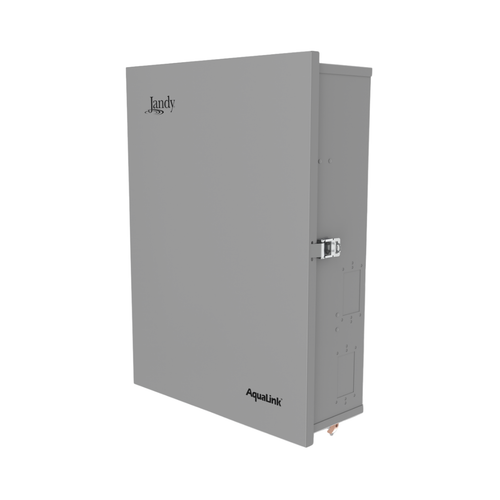
  • Power center. A weatherproof enclosure at the equipment pad with a high-voltage section (breakers, relays, line voltage wiring) and a low-voltage section (control board, sensor and communication wiring). Some kits include a full load center with breaker space; others mount next to an existing subpanel.
  • Main control board. The logic that runs schedules, reads sensors, controls relays and talks to panels, remotes and variable-speed pumps over an RS-485 communication bus.
  • Relays. Each auxiliary circuit, such as a cleaner booster pump, landscape lights or a waterfall pump, is switched by a high-voltage relay the board energizes. Relay count is the single biggest factor in which kit you need.
  • Valve actuators. 24 VAC motors that bolt onto diverter valves. On a shared pool and spa system, actuators swap suction and return between the pool and the spa when the owner switches to spa mode.
  • Sensors. Water temperature, air temperature and optional solar sensors feed the board so it can run the heater, run freeze protection and decide when solar heat is worth using.
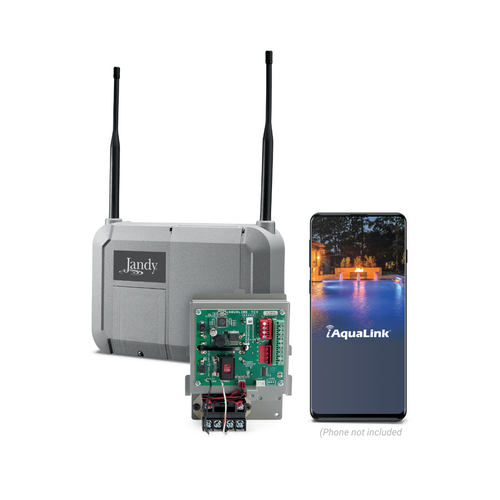
  • User interfaces. Indoor or outdoor panels, wireless handhelds and phone apps. On current platforms the app connection is built in or added with a small module, such as the Jandy iQ devices on AquaLink RS systems.

Variable-speed pumps, heaters, chlorinators and color lights from the same brand usually connect by communication cable instead of a relay, which adds speed programming, heater diagnostics and color show selection from the panel. Mixing brands works for basic on and off control through relays, but you give up much of that deeper integration.

Signs It's Time to Replace or Upgrade the Control System

  • Board failure after a lightning strike or surge. Burn marks, a dead display with good power at the transformer, or a board that resets constantly. A single surge can take out the board, the panels and pump drives on the same bus.
  • Corroded or obsolete equipment. Older systems near salt pools and coastal air, which is common here in South Florida, rust through the enclosure, relays and terminal strips. When replacement boards for a discontinued system are hard to find, a new kit is often the more reliable fix.
  • Adding equipment with no relays left. A new cleaner pump, lights or a fountain on a system that is already maxed out may call for a larger kit or an expansion module.
  • Adding a variable-speed pump. Energy codes in many areas now require variable-speed filter pumps. Controlling one properly from an older time-clock setup is clumsy; automation makes it simple.

How to Choose the Right Automation Kit

  1. Stay on the existing platform when possible. If the pad already runs Jandy, Pentair or Hayward pumps, heaters and chlorinators, staying with that brand keeps communication-based control and usually reuses existing actuators, sensors and some wiring. Switching platforms is a fine choice when you are replacing the major equipment too.
  2. Pool only or pool and spa. Pool-only kits have no spa mode and usually no included valve actuators. Pool and spa kits add spa mode logic, separate pool and spa set points and the actuators needed for a shared-equipment spa. In model names, the "P" versus "PS" designation on many Jandy and Pentair kits points to pool only versus pool and spa.
  3. Count relays. List every circuit the system will switch: filter pump if it is single speed, booster pump, lights, landscape lighting, water features, spa blower, bubblers. Add at least one or two spare circuits for future equipment. The number in many model names, such as 4, 6, 8 or 10, refers to auxiliary circuits, but always confirm exactly what is included on the product page.
  4. Count valves. A basic pool and spa combination needs two actuators, one on suction and one on return. Water features, solar heating and separate spa spillways may need more. Make sure the kit has enough valve outputs for the total.
  5. Cross-reference the existing equipment. Get model and serial numbers of the old controller, pump, heater and chlorinator. That tells you what communicates and what is relay-only.
Platform Typical Use What to Confirm
Jandy AquaLink RS (pool only or pool and spa) Residential pads with Jandy pumps, heaters and JVA actuators; very common replacement system Number of auxiliary relays, P versus PS model, whether an iQ module is needed for app control
Pentair IntelliCenter Larger or feature-heavy pools, multiple bodies of water, full IntelliFlo and IntelliChlor integration Circuit count, pool only versus pool and spa, expansion options
Pentair EasyTouch Mid-size residential pools on Pentair equipment; many still in service Current availability, replacement versus new build, app add-on
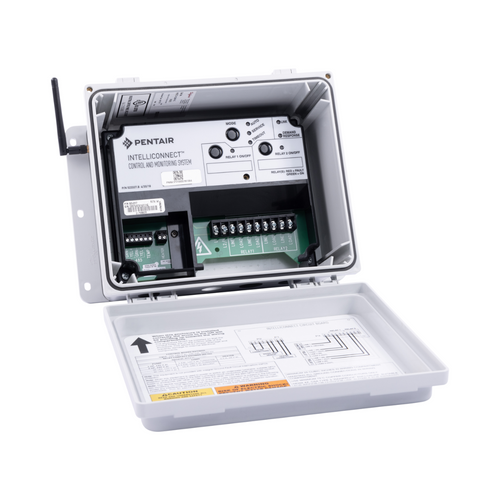
Pentair IntelliConnect App-based control for simpler pads, often added to an existing system Number of controlled devices and which equipment it supports
Hayward OmniLogic Full automation on Hayward pumps, heaters, chlorination and ColorLogic lights Relay count, valve outputs, single or multiple bodies of water
Hayward OmniPL and OmniHub Compact or app-first control for smaller pads and upgrades Which devices and how many outputs are supported

Installation and Safety Tips

  • Use a licensed electrician. Automation kits involve line voltage, breakers, GFCI protection and equipment bonding under NEC Article 680 and local codes. Low-voltage wiring and programming are often handled by the pool pro, but the power side belongs to a licensed electrician.
  • Bond everything. The power center, pump, heater, metal parts and the bonding grid must be tied together with a solid copper bonding conductor per code. Automation work is a good time to inspect old bonding that has corroded.
  • Protect against surges. Ask the electrician about a surge protector on the subpanel.
  • Keep high and low voltage separate. Route communication cables, sensor wires and actuator cables in their own conduit and on the low-voltage side of the enclosure, away from motor leads.
  • Mount sensors correctly. The water sensor goes in the plumbing before the heater, the air sensor in shade away from the pad's heat, and the solar sensor near the collectors.
  • Set actuator end stops and test spa mode. Rotate each valve through its full travel, confirm correct direction and verify the pool does not drain into the spa or the reverse.
  • Program freeze protection and heater cool-down. Even in Florida a few cold nights a year justify freeze protection, and the heater should shut down before the pump to let it cool.
  • Follow suction safety rules. Automation does not change the requirement for VGB Act compliant drain covers and proper suction outlet design, and spa mode often concentrates flow on a smaller set of suction outlets.

Shopping This Category at HVAC365

Every automation kit at HVAC365 is brand-new equipment with the full manufacturer warranty, and each product page lists the relay count, valve outputs, pool or pool and spa configuration and included components so you can match the kit to the pad before ordering. In-stock items ship in 1-2 business days. If you are not sure whether to stay on the current platform or which size kit covers the equipment list, send us the existing model numbers and we will help you sort out compatibility.

Frequently Asked Questions

What is the difference between a pool-only and a pool and spa automation kit?

A pool-only kit controls one body of water and usually does not include valve actuators. A pool and spa kit adds spa mode, separate set points for each body of water and actuators to swap suction and return valves when the spa is selected. If you have an attached spa sharing the filter pump and heater, you need the pool and spa version.

How many relays do I need?

Count every circuit the system needs to switch, then add one or two spares. Typical loads include a booster pump, pool light, spa light, landscape lights, a water feature pump and a spa blower. Equipment that connects over the communication bus, such as a same-brand variable-speed pump, may not need a relay at all.

Can I control a different brand's pump or heater?

Usually yes, at a basic level. Relays can switch any pump within their rating, and most heaters accept a remote on and off connection. What you lose is speed programming, diagnostics and status reporting that come with same-brand communication.

Do automation kits include app control?

Many current kits include it built in, while others need a separate add-on module. The product page states what is included. You also need a solid Wi-Fi signal at the equipment pad or a wired network connection.

Can I reuse my old valve actuators and sensors?

Often, when staying within the same brand and the parts are in good condition. Actuators and thermistors are generally interchangeable within a platform, but check compatibility and test each part before reconnecting it to a new board.

Does a homeowner need a professional for installation?

Yes for the electrical side. Breaker work, GFCI protection, equipment bonding and line voltage connections should be done by a licensed electrician to meet NEC Article 680 and local inspection requirements. A qualified pool professional can handle plumbing, actuators and programming.

Compare
Show: 12 24 48

Fast Shipping

Easy Returns

Warranty Coverage

Financing Available