null
Automation Load Centers & Power Centers

Automation Load Centers & Power Centers

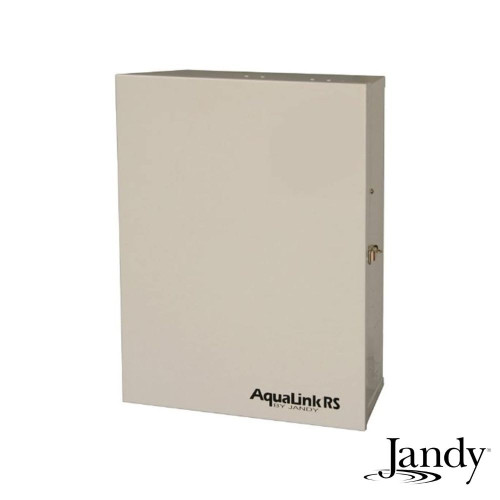
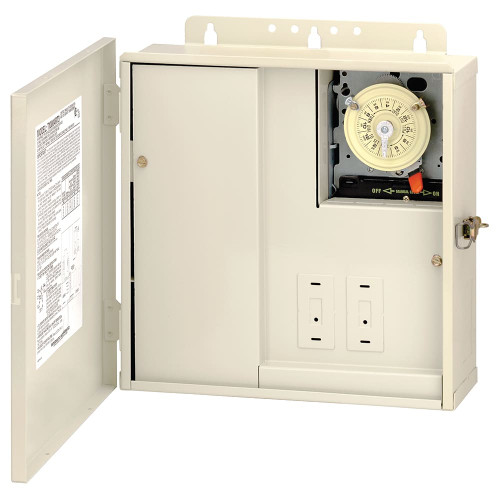
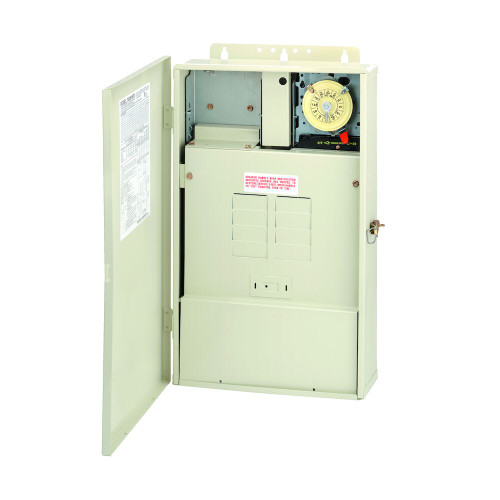
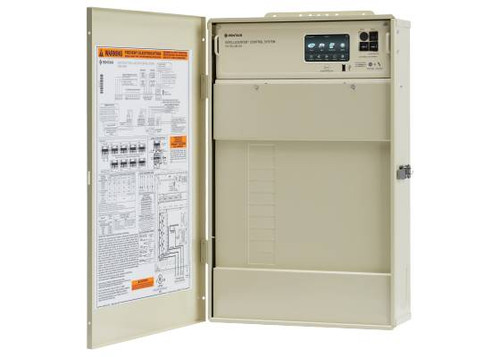
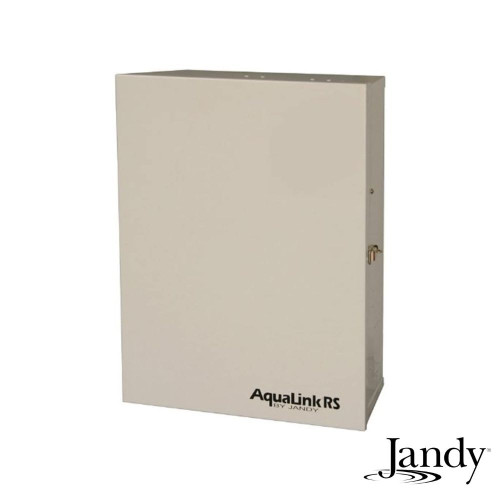
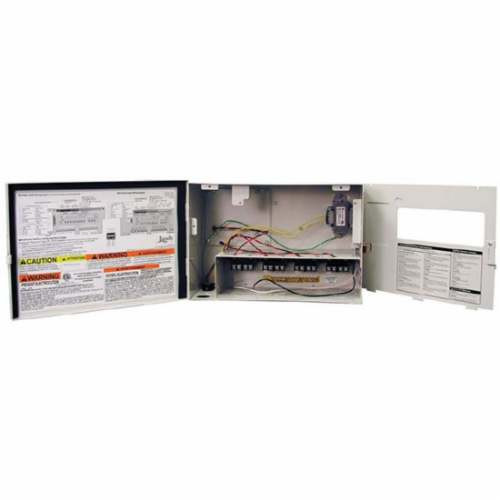
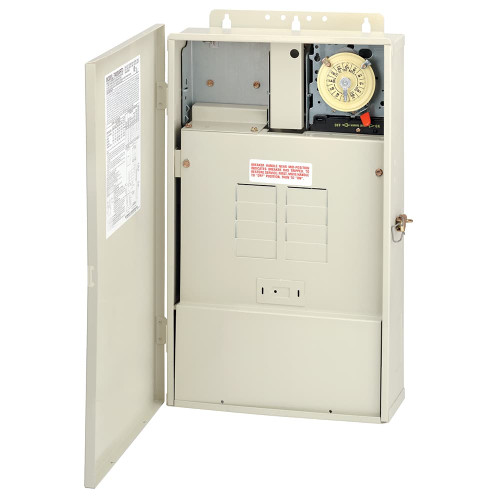
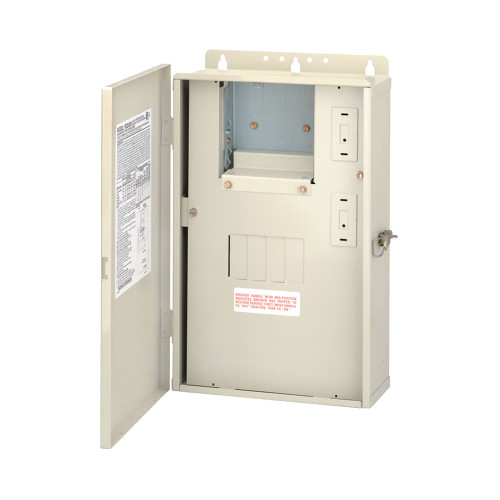
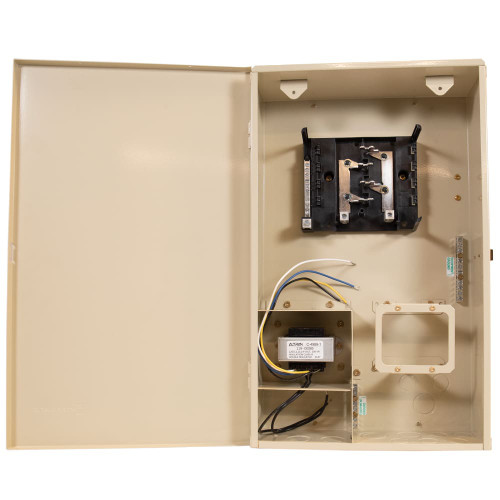
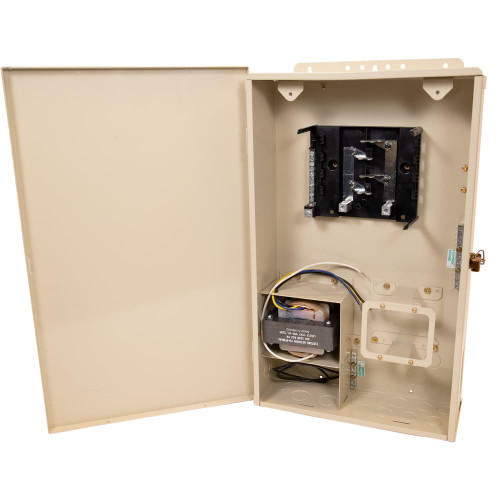
A load center or power center is where electricity for the pool pad is distributed and switched. On a basic pad it may be a small subpanel with a few breakers feeding a pump and a light. On an automated pad it is a combined enclosure that holds the breakers, the automation relays and the control board, with a dividing barrier between line voltage and low-voltage wiring. Either way, every pump, heater, light and chlorinator on the pad depends on it.

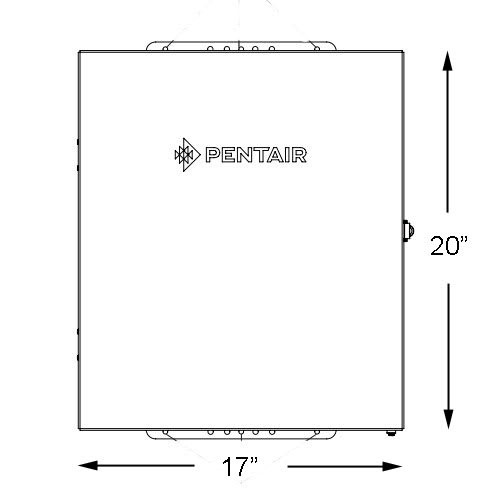
This category covers automation load centers and power centers from Jandy, Pentair and Hayward, pool equipment subpanels, replacement breakers, GFCI breakers and related enclosures. Electrical contractors and pool builders buy these on new construction and renovations. Service companies buy them when a rusted or burned panel has to come off the wall. Homeowners shopping here should plan on a licensed electrician for the installation, because this is line voltage equipment governed by NEC Article 680 and local inspection.

How Load Centers and Power Centers Work

Power comes from the main house panel through a feeder to the pool subpanel. Inside the subpanel, branch breakers protect each circuit: filter pump, booster pump, heater or heat pump, lights, salt chlorinator and the automation transformer. On an automation power center, the controller's relays sit between the breakers and the loads so the system can switch each circuit on a schedule.

  • Main or feeder connection. Either a main breaker in the enclosure or main lugs fed from a breaker in the house panel.
  • Branch breakers. Sized to the wire and the equipment. Most pool panels accept a specific breaker family, and only breakers listed for that panel should be installed.
  • GFCI protection. NEC Article 680 requires ground-fault protection for many pool circuits, including pump motors on single-phase 120 V through 240 V circuits and many lighting circuits. This is often provided by GFCI breakers in the pool panel.
  • Relays and control section. On automation power centers, the high-voltage side holds relays and breakers, while the low-voltage side holds the board, transformer and communication terminals.
  • Bonding lug. An external lug for the solid copper equipment bonding conductor that ties the pad to the pool's bonding grid.

Signs It's Time to Replace a Load Center

  • Rust and corrosion. Pool pads are hard on steel enclosures. Salt air, chlorine fumes from stored chemicals and irrigation spray rust out doors, hinges and the back box. Corroded bus bars and breaker connections run hot.
  • Heat damage. Discolored breakers, melted insulation, a burning smell or a breaker that is hot to the touch point to loose connections or overloaded circuits. Shut it down and call an electrician.
  • Nuisance tripping GFCI breakers that keep tripping after the load has been checked. Moisture in the panel, a failing breaker or deteriorated wiring can all be the cause.
  • No room for new equipment. Adding a heat pump, a second pump or automation often needs more breaker spaces or a bigger feeder.
  • Obsolete breakers. Some older panels used breaker types that are discontinued or hard to source. Replacing the panel may be simpler than hunting for compatible breakers.
  • Automation upgrade. Moving from time clocks to automation often means swapping a plain subpanel for an automation power center, or adding one beside it.

How to Choose the Right Load Center or Breaker

  1. Total the loads. List every piece of equipment with its nameplate amps. Heaters and heat pumps are usually the biggest draw. The electrician uses this to size the feeder and the panel rating.
  2. Count breaker spaces. Two-pole 240 V circuits take two spaces. Leave room for future equipment.
  3. Automation platform. If you are installing Jandy, Pentair or Hayward automation, many of their power centers are designed to house that brand's controller and relays. Match the enclosure to the system.
  4. Breaker type. Use only breakers listed for the specific panel. Match the poles, amperage and GFCI requirement, and check the panel label for the approved breaker families.
  5. GFCI style. Confirm whether you need a single-pole or two-pole GFCI breaker and the correct amp rating. Note whether the breaker requires a neutral connection, as many GFCI breakers do.
  6. Enclosure rating. Outdoor installations need a rain-tight enclosure rated for the location.
Component What It Does Selection Notes
Pool subpanel Distributes power to pad equipment Amp rating, breaker spaces, outdoor rating
Automation power center Houses breakers, relays and the controller board Match the automation brand and relay capacity
Standard breaker Overcurrent protection for a branch circuit Must be listed for the panel; match poles and amps to the circuit
GFCI breaker Ground-fault and overcurrent protection Required on many pool circuits; check pole count and neutral connection
Low-voltage transformer Powers 12 V lights or controller circuits Wattage and listing for pool use

NEC Article 680: General Guidance

NEC Article 680 covers swimming pools, spas and hot tubs, and it is the core reference for anything at the pool pad. Your licensed electrician and local inspector have the final word, and requirements change between code editions and local amendments, but these are the areas that come up most:

  • GFCI protection for pump motors, many receptacles near the pool, and underwater lights above the low-voltage contact limit.
  • Equipotential bonding of the pool shell, metal within a specified distance, pump motors, heaters and other equipment with a solid copper conductor, generally 8 AWG or larger.
  • Equipment grounding with an insulated copper equipment grounding conductor on pool circuits.
  • Maintenance disconnects within sight of the equipment and located a minimum distance from the water unless separated by a barrier.
  • Wiring methods and clearances for conduit, overhead lines and receptacle locations near the water.

Installation and Safety Tips

  • Hire a licensed electrician. Load centers, breakers and GFCI circuits are not homeowner projects. A permit and inspection are typically required.
  • De-energize and verify. Turn off the feeder breaker at the house panel, lock it out and test for voltage before opening a pool panel.
  • Torque connections. Loose lugs cause heat damage. Tighten breaker and lug terminals to the manufacturer's torque values.
  • Keep the enclosure sealed. Use proper conduit fittings, close unused knockouts and keep the door latched to keep out water, insects and lizards.
  • Do not store chemicals near the panel. Chlorine and acid fumes corrode breakers and bus bars quickly.
  • Test GFCIs monthly. Press the test button, confirm the circuit drops, then reset.

Shopping This Category at HVAC365

Load centers, power centers and breakers at HVAC365 are brand-new with the full manufacturer warranty, and each product page lists the amp rating, breaker spaces, compatible breaker types and enclosure rating. In-stock items ship in 1-2 business days. If your electrician needs help matching a breaker to an existing pool panel or choosing a power center for a specific automation system, send us the panel label or controller model and we will help.

Frequently Asked Questions

What is the difference between a load center and a power center?

A load center is a panel that distributes power through breakers. A power center, in pool automation terms, is an enclosure that holds the automation controller and relays and often includes breaker space as well. Some products combine both in one box.

Can I use any brand of breaker in my pool panel?

No. Only breakers listed for that panel should be installed. The panel label identifies the approved breaker types. Mixing in unlisted breakers can cause poor bus contact, overheating and inspection failures.

Does my pool pump need a GFCI breaker?

Under recent editions of NEC Article 680, pool pump motors on single-phase circuits from 120 V through 240 V generally require GFCI protection. Your local code edition and inspector decide what applies, so confirm with your electrician.

Why does my GFCI breaker keep tripping?

Common causes include moisture in a junction box or light niche, a pump motor with failing insulation, damaged wiring or a failing breaker. A licensed electrician can isolate the circuit and test the load to find the fault.

Can I add automation to my existing pool subpanel?

Often yes, by mounting an automation power center beside the existing panel and feeding the relays from it. Whether that works depends on available capacity, breaker spaces and code requirements.

How do I keep a pool panel from rusting?

Keep chemicals away from the pad, keep the door closed and gaskets intact, aim sprinklers away from equipment and rinse salt deposits periodically. In coastal areas, plan on inspecting enclosures every year.

Compare
Show: 12 24 48

Fast Shipping

Easy Returns

Warranty Coverage

Financing Available