null
Automation Relays

Automation Relays

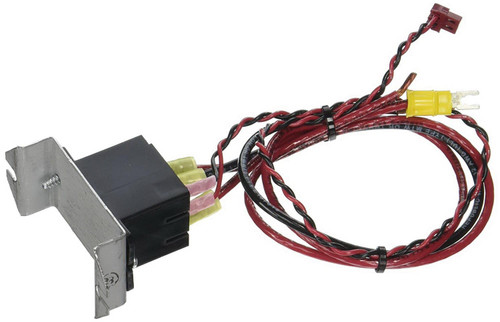
An automation relay is the switch that actually turns pool equipment on and off. The automation board decides when the booster pump, landscape lights or waterfall should run, but it cannot carry motor current through its own circuitry. Instead it sends a small low-voltage signal to a relay coil, and the relay's heavy contacts close to pass line voltage to the equipment. Relays are cheap compared to the board, and they are one of the most common parts to fail on an automated pad.

This category covers replacement high-voltage relays for pool and spa automation systems from Jandy, Pentair, Hayward and others, along with two-speed relays used for two-speed pumps and related relay hardware. Service techs keep a few in the truck because a stuck or burned relay is a quick, satisfying repair. Builders and electricians buy them when adding circuits to an automation system.

How Automation Relays Work

A relay has two sides. The coil side receives a low-voltage control signal from the automation board. When energized, the coil creates a magnetic field that pulls the contacts closed. The contact side switches line voltage, typically 120 V or 240 V, to the load.

  • Single-pole relays switch one conductor. They are used for 120 V loads, where only the hot leg needs to be switched.
  • Double-pole relays switch two conductors at once. They are used for 240 V loads so both hot legs are opened when the equipment is off, which is safer for service and is the norm on 240 V pool motors.
  • Two-speed relays are used on two-speed pumps, which have separate high-speed and low-speed windings. The relay arrangement sends power to the correct winding and prevents both from being energized together.
  • Coil voltage varies by platform. Automation boards drive relay coils at a specific low DC or AC voltage, and a relay with the wrong coil voltage will not pull in or will burn out.

Relays mount on the high-voltage side of the power center, usually on a bracket or DIN rail, with the coil leads plugged into the board's relay header and the line and load wires landed on screw terminals.

Signs a Relay Is Failing

  • Equipment will not turn on even though the panel shows the circuit on. If you hear the relay click but no voltage reaches the load terminal, the contacts are likely burned.
  • Equipment will not turn off. Welded contacts keep the load running after the board turns it off. This is common after a pump motor locks up or draws a heavy surge.
  • Buzzing or chattering from the relay, which can mean a weak coil, low control voltage or debris between the contacts.
  • Burn marks or melted terminals around the relay, usually caused by loose terminal screws or a load that exceeds the relay rating.
  • Intermittent operation where the equipment runs some days and not others, often from pitted contacts.

Test before you replace. With the power center de-energized, check coil resistance. With it energized and following safe practices, confirm the board sends control voltage to the coil and measure voltage across the line and load terminals. Only a qualified technician should take live voltage measurements.

How to Choose the Right Relay

  1. Match the platform. Relays for Jandy, Pentair and Hayward automation often have different coil voltages, connector types and mounting styles. Start with the automation brand and model.
  2. Cross-reference the OEM part number. The part number on the old relay or in the controller manual is the most reliable way to find the exact replacement or an approved substitute.
  3. Match the poles to the load. Use double-pole for 240 V equipment and single-pole for 120 V, unless the manufacturer specifies otherwise.
  4. Check the contact rating. Relays are rated in amps and often in horsepower at 120 V and 240 V. The motor's full-load amps and horsepower must be within the rating, with margin for starting current.
  5. Two-speed pumps need the right arrangement. Use the two-speed relay or relay pair specified by the automation manufacturer so the high and low windings cannot be energized at the same time.
  6. Large loads may need a contactor. Some equipment draws more current than an automation relay should handle. In that case the relay drives a properly rated contactor, and an electrician should design that circuit.
Relay Type Typical Load What to Confirm
Single-pole high-voltage relay 120 V lights, small pumps, accessory loads Coil voltage, amp rating, connector type
Double-pole high-voltage relay 240 V pump motors, booster pumps, blowers Horsepower rating at 240 V, mounting style
Two-speed relay Two-speed pool or spa pumps Compatible with the automation board and the pump wiring
Relay driving a contactor Loads above the relay's rating Contactor coil voltage and rating sized by an electrician

Installation and Safety Tips

  • Power off and verify. Turn off the breakers feeding the power center and test for voltage before touching any relay terminal. Relays often sit beside live breakers.
  • Photograph the wiring first. Note which wire goes to line and load terminals and which board header the coil plugs into.
  • Torque terminals properly. Loose screws cause heat and are the leading cause of burned relays.
  • Find the root cause. If a relay burned or welded, check the load. A failing motor, a seized pump or a shorted light will destroy the new relay too.
  • Assign the circuit correctly. After installing, confirm the relay is assigned to the right auxiliary circuit in the automation setup and label it.
  • Use a licensed electrician for new circuits, added loads or any line voltage work beyond a direct like-for-like swap by a qualified technician.

Shopping This Category at HVAC365

Every relay at HVAC365 is brand-new with the full manufacturer warranty. Product pages list the compatible automation platforms, coil voltage, pole configuration and contact ratings. In-stock items ship in 1-2 business days. If you have the old relay or the controller model in hand and want to confirm the right replacement, send us the part number and we will help cross-reference it.

Frequently Asked Questions

Can I use a relay from a different automation brand?

Generally not. Coil voltage, connector type and mounting vary by platform, and using the wrong relay can damage the board or fail to operate. Use the relay specified for your controller or an approved equivalent.

What does it mean when a relay clicks but the pump does not run?

The coil is pulling in, so the board is sending the signal, but power is not making it through. Burned contacts, a loose line or load wire, a tripped breaker or a failed pump are the usual causes. A qualified tech can measure voltage at the load terminal to narrow it down.

Why is my pump running when the automation says it is off?

A welded relay contact is the most likely cause. It can also happen if the equipment is wired around the relay or a manual override switch is on. Replace a welded relay and check the motor for problems that caused it.

Do I need a special relay for a two-speed pump?

Yes. A two-speed pump needs separate control of the high and low windings, done with a two-speed relay or a relay pair arranged to prevent both from energizing together. Follow the automation manufacturer's wiring diagram.

How do I know if a relay is big enough?

Compare the equipment nameplate full-load amps and horsepower to the relay's rating at the circuit voltage. Leave margin for motor starting current. For loads beyond the rating, use a contactor.

Should I replace all the relays when one fails?

Not automatically. Relays that switch the same type of load and have run the same number of years tend to wear at similar rates, so inspect the others for discoloration, pitted contacts or loose terminals while the enclosure is open. Replace any that show heat damage. On coastal pads where corrosion has attacked the whole power center, replacing a set of relays at once can save repeat visits, but a single failed relay next to healthy ones is usually a one-part repair.

Can a homeowner replace a relay?

Relays sit in line voltage enclosures next to live breakers. This work should be done by a licensed electrician or a qualified pool service technician who works on energized equipment safely.

Compare

Fast Shipping

Easy Returns

Warranty Coverage

Financing Available