null
Pool Temperature Controllers

Pool Temperature Controllers

A pool heater or heat pump is only as accurate as the control and sensor telling it what the water temperature is. Temperature controllers, remote heater controls, thermostats and thermistors decide when the heater fires, when it stops and whether it should run at all. A failed sensor can leave a spa cold on a Friday night or let a heater run past the set point. A bad remote connection can keep the heater from responding to automation at all.

This category covers pool and spa temperature controls: remote controls and thermostats for gas heaters and heat pumps, water, air and solar temperature sensors, thermistors, and related wiring and mounting parts from Raypak, Pentair, Hayward, Jandy, AquaCal and others. Service techs buy sensors and thermistors for diagnosis and repair. Owners with older pads buy remote controls to run the heater from inside. Builders use them when tying heaters into automation.

How Pool Temperature Control Works

Water temperature is measured by a sensor in the plumbing, compared to a set point, and the controller turns the heater on or off. Where that logic lives depends on the setup.

  • Heater onboard control. Most modern gas heaters and heat pumps have their own digital control and internal water sensor. The owner sets the temperature at the heater, and the heater fires when water is flowing and below set point.
  • Automation control. When tied to automation, the controller reads its own water sensor and either sends a call for heat over a two-wire remote connection or communicates directly with a same-brand heater. The heater is usually left at a high set point or set to remote mode, and the automation system handles pool and spa set points.
  • Remote thermostats and controls. Some setups use a wired remote control mounted indoors or at the spa that tells the heater to run and adjust its set point.
  • Thermistors. Most pool sensors are thermistors, resistors whose resistance changes with temperature. Many pool platforms use a 10K ohm thermistor, meaning about 10,000 ohms at 77 degrees Fahrenheit, but this is not universal. Always confirm the correct sensor for your equipment.
  • Solar and air sensors. Automation uses an air sensor for freeze protection and display, and a solar sensor near the collectors to decide when solar heating will add heat.

Signs a Temperature Control or Sensor Is Failing

  • Temperature reading is wrong. Compare the displayed water temperature to a good thermometer in the pool. A consistent large difference usually means a failing sensor or a bad wire connection.
  • Display shows a sensor fault, open or shorted reading, or an extreme temperature such as far below freezing or very high. That usually points to a broken wire or failed thermistor.
  • Heater short cycles or shuts off before reaching set point. A sensor mounted in the wrong spot, such as after the heater, can read heated water and stop the heater too early.
  • Heater will not respond to automation. Check the remote wiring, the heater's remote mode setting and the relay or output on the controller.
  • Freeze protection runs constantly on mild nights, which often means a failing air sensor.
  • Solar heating runs at night or never runs, usually from a bad solar sensor or a swapped sensor connection.

How to Choose the Right Replacement

  1. Identify the system that reads the sensor. A sensor for an automation controller and a sensor inside a heater may not be interchangeable even if they look alike.
  2. Match the thermistor value and curve. Use the resistance rating and type specified by the manufacturer. A wrong thermistor reads incorrectly across the range.
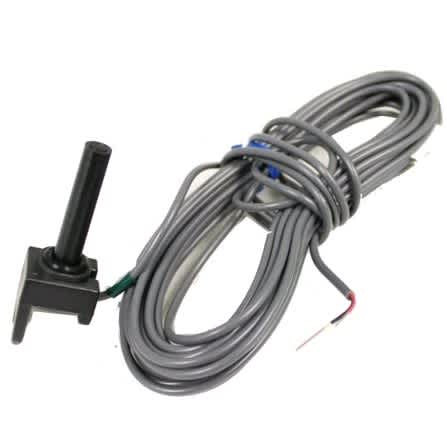
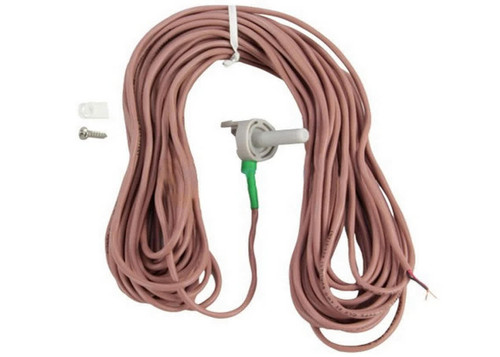
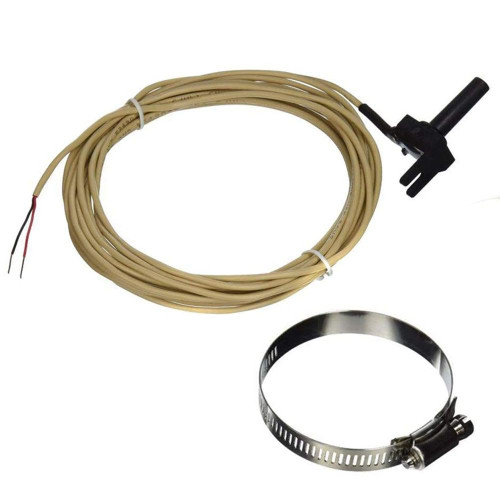
  3. Match the mounting style. Pipe-mount water sensors fit a drilled hole in the plumbing with a clamp or fitting. Air sensors mount on a wall or bracket. Solar sensors mount at the collectors. Check the probe style and cable length.
  4. Check remote control compatibility. Heater remotes and thermostats are typically model-specific. Confirm the heater brand, model and control board version.
  5. Cross-reference OEM part numbers from the old sensor, the heater manual or the automation manual whenever possible.
Part Where It Mounts What to Confirm
Water temperature sensor Plumbing before the heater, after the filter Thermistor value, probe and clamp style, cable length
Air temperature sensor Shaded spot away from equipment heat Compatible with the automation controller
Solar sensor Near the solar collectors Cable length, UV-rated housing
Heater internal thermistor Inside the heater at the header or manifold Exact heater model and part number
Remote heater control or thermostat Indoors or at the spa, wired to the heater Heater brand, model and control board

Testing a Thermistor

A quick resistance test separates a bad sensor from a bad board. Disconnect the sensor from the controller, measure resistance with a meter, and compare it to the manufacturer's temperature-resistance chart at the water temperature measured with a reliable thermometer. A reading that is open, shorted or far off the chart means replace the sensor. If the sensor checks good, inspect the wire run, splices and terminals before suspecting the controller.

Installation and Safety Tips

  • Turn off power to the heater and controller before working on sensors or remote wiring. Gas heater work beyond sensors and low-voltage remote wiring belongs to a qualified, licensed professional.
  • Mount the water sensor in the right place. Install it after the filter and before the heater, solar and any chemical feed, so it reads true pool water temperature.
  • Seal the sensor properly. Use the supplied O-ring or fitting so the plumbing does not leak, and do not overtighten clamps on PVC.
  • Keep the air sensor out of the sun and away from heater exhaust, the pump motor and walls that radiate heat.
  • Route sensor wiring with low-voltage cables, separated from line voltage, and use waterproof splices.
  • Respect heater cool-down. Automation and heater controls should allow the pump to run after the heater shuts off so the heat exchanger cools down.

Shopping This Category at HVAC365

Temperature controls, sensors and thermistors at HVAC365 are brand-new with the full manufacturer warranty. Product pages list compatible heaters and automation systems, the thermistor type where applicable and the cable length. In-stock items ship in 1-2 business days. If you are not sure whether your heater or controller takes a specific sensor, send us the model numbers and we will help you match it.

Frequently Asked Questions

Where should the pool water temperature sensor go?

After the filter and before the heater, solar return and any chlorinator or chemical feeder. That location reads true pool water temperature and avoids false readings from heated or treated water.

Are all pool thermistors 10K?

Many pool automation platforms use 10K thermistors, but not all, and heater internal sensors can differ. Use the sensor specified by the manufacturer of the equipment that reads it.

Why does my spa read a different temperature than the pool?

Spa temperature is read through the same water sensor when spa mode is on and water is flowing. If the pump is off, the sensor reads the stagnant water in the pipe. Readings are only accurate after the pump has run for a few minutes.

How do I set up my heater to work with automation?

Most heaters have a remote or external control mode. Set the heater to remote mode or set its thermostat high, connect the heater's remote terminals to the automation controller per both manuals, and let the automation manage set points.

Can I replace a heater's internal thermistor myself?

Sensor replacement is relatively simple, but it is inside a gas or electric appliance. A qualified service tech should do it and verify the heater operates safely afterward.

Can I calibrate a sensor instead of replacing it?

Many automation controllers allow a small temperature offset adjustment in the setup menu, which can correct a reading that is a degree or two off. If the error is large, inconsistent or changes with weather, the sensor or its wiring is failing and should be replaced rather than offset.

Why does freeze protection keep running?

The air sensor may be failing, mounted in a cold spot or reading wrong due to a damaged wire. Check its resistance against the chart and confirm the freeze protection set point.

Compare

Fast Shipping

Easy Returns

Warranty Coverage

Financing Available