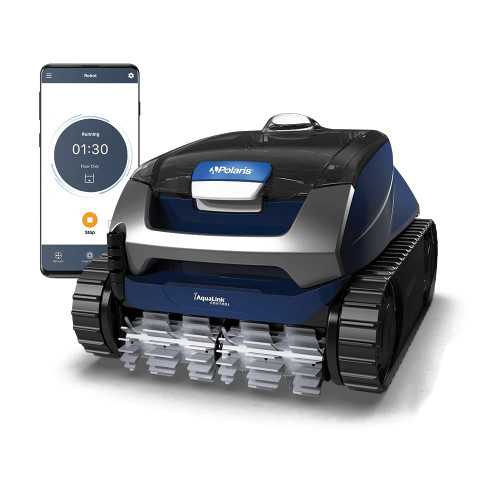
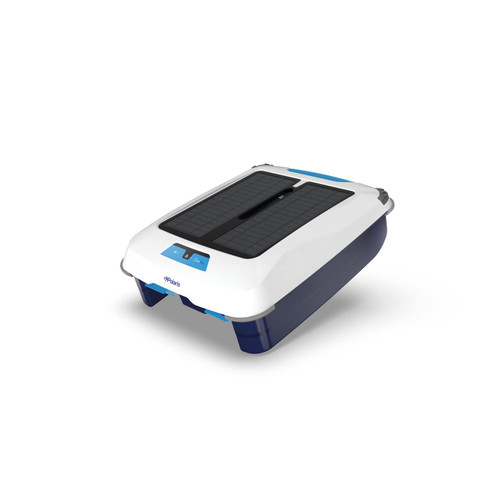
A robotic pool cleaner is a self-contained cleaning machine with its own motors, filter and onboard logic. Unlike suction and pressure-side cleaners, it does not rely on the pool pump. It drives across the floor and walls, scrubs with brushes, pulls water through its own filter basket or bag, and leaves the pool's equipment free to circulate and filter. That independence is why robotic cleaners have become the default recommendation for many residential pools: lower energy use than running a booster pump, better wall and waterline coverage and fine debris capture that a suction cleaner sends to the pool filter.
This category covers robotic pool cleaners and parts from brands like Polaris, Hayward, Pentair, Zodiac and others: corded and cordless robots, power supplies, swivel cables, filter canisters and bags, brushes, tracks, tires and caddies. Homeowners make up most buyers. Service techs also buy robots for customers who want fewer suction-cleaner problems, and they buy replacement parts to keep existing robots running.
How Robotic Cleaners Work
- Drive system. One or more drive motors move the cleaner on tracks or wheels. Navigation ranges from simple timed patterns to gyroscopic and sensor-based mapping that plans more efficient coverage.
- Pump motor. A separate pump motor pulls water through intake ports on the bottom and through the filter, then out the top. That suction is what holds the robot to walls and what picks up debris.
- Filtration. Most robots use top-load filter canisters, bags or cartridges. Many offer fine and ultra-fine options for silt and pollen, and coarse options for leaves.
- Brushes. Scrubbing brushes help loosen algae and dirt from surfaces. Different brush materials suit plaster, pebble, tile and vinyl.
- Power. Corded robots run on low voltage through a floating cable from a power supply plugged into a GFCI-protected outlet. Cordless robots run on rechargeable batteries and dock or charge out of the pool.
Signs a Robotic Cleaner Needs Service
- Cleaner moves but doesn't pick up debris. A full or clogged filter, a blocked intake, or a weak pump motor.
- Cleaner won't climb walls. Dirty filter, worn tracks or brushes, low pump suction or air trapped in the unit.
- Cable tangles badly. A worn swivel, or the robot is not being stored and uncoiled properly.
- Cleaner won't run. Check power supply lights and error codes, the outlet GFCI and cable connection.
- Short battery runtime on cordless models. Batteries age over time and with heat.
- Grinding or squealing noise. Debris in the impeller or worn drive gears.
- Water inside the motor housing. Failed seals. This often means a motor replacement.
How to Choose the Right Robotic Cleaner
- Pool size and shape. Check the cleaner's rated maximum pool length. Complex shapes, swim-outs and tanning ledges benefit from smarter navigation.
- Surfaces to clean. Floor only, floor and walls, or floor, walls and waterline. Waterline cleaning helps prevent the scum ring.
- Pool type. In-ground and above-ground models are designed differently. Above-ground robots are lighter and usually floor-focused.
- Surface material. Choose brushes suitable for vinyl, plaster, pebble or tile. Some robots offer interchangeable brushes.
- Debris type. Heavy leaves need large intakes and coarse filters. Fine dust and pollen need fine filters.
- Corded or cordless. Corded robots run longer and are usually more powerful. Cordless robots avoid tangles and are easier to handle but have limited runtime per charge.
- Controls. Some robots offer programmable schedules, app control and remote steering.
- Replacement parts. Check availability of filters, brushes, tracks, swivel cables and power supplies for the model.
| Cleaner Type |
Power Source |
Uses Pool Pump? |
Debris Goes To |
Best For |
| Robotic (corded) |
Low-voltage power supply |
No |
Onboard filter |
Most residential pools; walls and waterline |
| Robotic (cordless) |
Rechargeable battery |
No |
Onboard filter |
Smaller pools; convenience |
| Suction-side |
Pool pump suction |
Yes |
Pump basket and pool filter |
Budget installs; floor cleaning |
| Pressure-side |
Return pressure or booster pump |
Yes |
Onboard bag |
Leaf-heavy pools |
Robotic vs suction and pressure cleaners
Suction cleaners are inexpensive and simple, but they depend on the pool pump running at a speed high enough to move them, which works against the energy savings of a variable speed pump. Everything they pick up goes to the pump basket and the filter, so filter cleanings come more often. Pressure-side cleaners handle leaves well and carry their own bag, but many need a dedicated booster pump, adding another motor to run and maintain. A robot avoids both problems. The tradeoff is that robots have more parts that wear, such as motors, tracks and cables, and they have to be pulled out of the pool and the filter cleaned after each run.
Common Repairs and Wear Parts
Most robots that stop cleaning well do not need a new motor. Start with the parts that wear every season.
- Filters and filter canisters. Fabric gets torn and fine mesh clogs permanently with calcium and oils. A worn filter lets fine debris pass back into the pool.
- Brushes and scrubbers. Foam and PVC brushes lose grip, especially on walls. Worn brushes are a leading reason robots stop climbing.
- Tracks and tires. Stretched or cracked tracks slip, and the robot wanders or stalls.
- Swivel cable. The swivel keeps the cord from twisting. A seized swivel turns into constant tangles.
- Power supply. A dead supply can look like a dead robot. Check its indicator lights and error codes before condemning the motor.
Use, Care and Safety Tips
- Plug the power supply into a GFCI-protected outlet, keep it at least as far from the water as the manufacturer and local code require, and never handle it with wet hands. If an outlet needs to be added or upgraded, use a licensed electrician; pool-area receptacles fall under NEC Article 680.
- Never swim with the robot in the pool. Remove it and the cable before anyone enters the water.
- Turn off the robot before lifting it out, and lift by the handle or cable caddy as the manufacturer recommends, letting water drain before setting it down.
- Clean the filter after every cycle. A clean filter is the single biggest factor in performance.
- Store out of direct sun. UV degrades plastic, cables and brushes. Use a caddy and keep the cable uncoiled.
- Uncoil the cable regularly and lay it straight in the sun for a short time to relax twists if the manual recommends it.
- Do not run the robot right after shocking or with very high chlorine levels, and keep chemistry balanced; many warranties exclude damage from chemical exposure.
- Charge cordless robots as the manufacturer recommends and do not store fully depleted batteries for long periods.
Shopping This Category at HVAC365
HVAC365 carries brand-new robotic pool cleaners and replacement parts with full manufacturer warranty. Product pages list pool size ratings, surfaces cleaned, cable length, filtration and parts compatibility so you can match a cleaner to your pool. Orders ship in 1-2 business days. If you are choosing between models or matching a replacement filter, brush or power supply, send us the model number and we will help.
Frequently Asked Questions
How long should a robotic pool cleaner last?
Many last several years with good care, regular filter cleaning and proper storage. Chemistry, sun exposure and how often it runs affect lifespan.
Can I leave my robotic cleaner in the pool all the time?
Most manufacturers recommend removing it after each cycle. Leaving it in exposes it to chemicals and sunlight and can shorten its life.
Why is my robot's cable tangling?
A worn swivel or improper storage. Uncoil the cable regularly and replace the swivel if needed.
Do robotic cleaners work on above-ground pools?
Yes, with models designed for above-ground pools. Check the cleaner's pool type and size rating.
Is a robotic cleaner more efficient than a booster pump cleaner?
Generally yes. Robots use low-voltage motors and do not require the pool pump or a booster pump to run during cleaning.
Should I use a fine or coarse filter?
Use a fine filter for silt, dust and pollen, and a coarse filter during heavy leaf drop so the filter does not clog halfway through a cycle. Many owners keep both and swap by season.
Do I still need to brush my pool with a robot?
Occasionally, for corners, steps and areas the robot does not reach.