-
Pentair
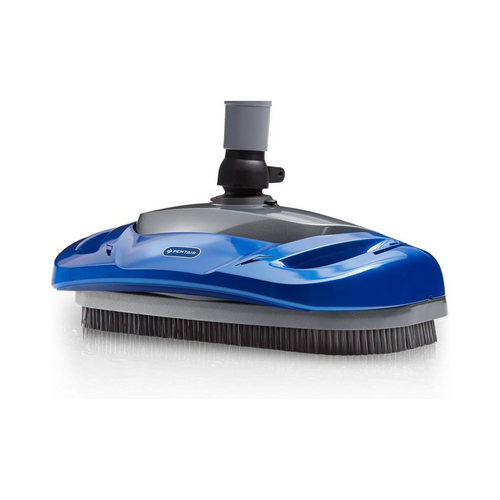
Pentair Prowler 910 Deep Cleaning Robotic Pool Cleaner for Aboveground Pools | 360321
SKU: 360321
$608.00Ships in 1-2 Business Days10 in stock -
$757.09Ships in 1-2 Business Days2 in stock

A dirty pool is not just an eyesore. Algae, debris, and fine sediment build up fast, and chasing them manually takes time most pool owners would rather spend in the water. Suction pool cleaners handle the routine scrubbing and vacuuming automatically, attaching to your pool's existing filtration flow so debris gets swept into the filter where it belongs. HVAC365 stocks a broad selection of suction-side cleaners so you can find the right fit for your pool's size, shape, and plumbing setup without having to compromise on availability. Within the broader Pool Cleaners lineup, suction models are one of the most straightforward and cost-effective ways to keep a pool consistently clean.
Suction pool cleaners are automatic, pool-floor-and-wall-scrubbing devices that run off the suction your existing pump and filter already create. You connect them to a dedicated suction port or to the skimmer line, and the cleaner crawls the pool surface pulling debris into the filtration system. No separate booster pump, no separate power supply, no complicated setup. Because of that simplicity, they appeal to a wide range of buyers: homeowners doing a straightforward seasonal replacement or first install, property managers maintaining residential or light commercial pools, pool service professionals buying a unit to match a specific client's plumbing configuration, and distributors or supply houses stocking them in volume for resale or fleet accounts.
The most important starting point is pool size and shape. A cleaner sized and programmed for a small rectangular pool may miss corners, struggle with irregular geometry, or cycle inefficiently in a larger pool. Before choosing a model, work out the surface area you need covered and whether the pool has steep walls, steps, tight corners, or an irregular outline. These factors directly affect which models will give you reliable, consistent coverage versus which ones will get stuck or leave dead zones.
Your existing pump and plumbing matter just as much as pool shape. Suction cleaners depend on your pump producing adequate flow through the suction line. A pump that is undersized for the pool, already taxed by other features like water features or spa jets, or running at reduced speed may not generate enough suction for reliable cleaner movement. Verify that your pump's flow rate and the suction port's configuration are compatible with the cleaner you are evaluating. Many manufacturers publish minimum flow requirements, so pull that spec before purchasing rather than finding out after installation that the unit barely crawls.
Pool surface type is another practical filter. Plaster, vinyl liner, and tile each respond differently to cleaner feet, brushes, and wheel materials. A cleaner designed and tested on plaster may be aggressive on a vinyl liner, and vice versa. Check the manufacturer's stated surface compatibility rather than assuming any suction cleaner fits any pool.
Debris type shapes the decision too. Fine sand and silt, medium leaves, and coarser debris like pine needles or acorns call for different throat sizes and filter canister or bag configurations. If your pool collects a lot of large debris, look for a model with a wider throat and a high-capacity collection bag or a path that can handle the volume without clogging constantly. A unit with a throat sized for fine silt will jam repeatedly on heavy leaf loads.
For pool service professionals matching a unit to a specific client's existing plumbing, connection type and hose length are practical buying decisions too: verify the port size, confirm whether the pool has a dedicated suction port or whether you will be routing through the skimmer, and make sure the included or available hose length reaches the far end of the pool without excess slack piling up and restricting movement. Distributors evaluating volume orders typically also weigh lead time and consistent availability alongside the technical fit, which is worth factoring into the source selection.
Suction pool cleaners are simpler than pressure-side or robotic alternatives, but there are still meaningful differences within this category that affect which model fits a given pool.
Installation is genuinely simple for most suction cleaners, but there are a few site conditions worth checking before you open the box.
Start with the suction port. Measure the port opening and verify whether you need a standard or large-throat connection. The cleaner's connection fitting must match, and some pools require an adapter. Pull the spec sheet for the unit you are buying and compare against what is on your pool's wall before assuming a direct fit.
Look at the condition of the existing skimmer or suction port valve. A cracked, loose, or corroded valve fitting will leak or lose suction once the cleaner hose is attached, and the cleaner will underperform even if everything else is correct. Address any valve or fitting issues before connecting the cleaner.
Check the state of the filter. A cartridge that is overdue for cleaning or a sand filter that needs backwashing will reduce the effective suction reaching the cleaner, and you will interpret the result as a cleaner problem when the actual issue is upstream. Clean or backwash first, then run the cleaner.
Consider where the hose will run. Too much hose creates slack that tangles; too little and the cleaner cannot reach the far end of the pool. Run the hose along the pool wall before connecting the cleaner to get an honest read on whether your hose length is right. If you are working on a pool with an irregular shape or a very long reach, measure the true path, not just the straight-line distance.
Finally, look at your pump timer. Suction cleaners run whenever the pump runs, so if your pump is on a timer, the cleaner runs on that same schedule. A pump cycle that is too short for the pool volume means the cleaner does not cover the whole surface. A cycle that is unnecessarily long wastes energy and wears the cleaner faster. Adjust the timer to match the cleaner's actual coverage needs for your pool size.
A: Not automatically. Suction cleaners depend on adequate flow from your pump through the suction line. If your pump is undersized, running at a reduced speed, or already supplying multiple features, it may not generate enough suction for reliable movement. Variable-speed pumps set to low speeds are a common source of this problem. Check the cleaner's minimum flow requirement against your pump's output before purchasing — the pump compatibility factors above cover what to look for.
A: Yes. Most suction cleaners connect through the skimmer using a flow regulator or diverter plate. The tradeoff is reduced skimmer surface-debris collection while the cleaner runs. The skimmer-connected vs. dedicated port breakdown above explains when each connection type makes sense and what to verify before buying.
A: More often than without one. All debris the cleaner collects routes through your pool filter, so cleaning or backwashing frequency goes up. Actual intervals depend on your pool's debris load, filter capacity, and run time. The filter condition check in the installation section above is the right starting point before the first run.
A: It depends on the model. Many suction cleaners are primarily floor cleaners that travel partway up the wall but may not reliably scrub vertical surfaces or steps. Some models are specifically designed with stronger suction grip and angled brushes to handle steep walls and tile lines. Check the manufacturer's coverage claim, particularly if your pool has heavy algae growth on the walls or tile line.
A: It depends on the model, how frequently it runs, and whether it is maintained. Wheels, feet, and hose sections are wear items that need replacement over time. Rinsing the cleaner after each use and keeping spare wear parts on hand extends its life. Replacement part availability is worth checking before you buy — that point is covered in the buying tips above.
A: Generally, suction cleaners are removed when not in use, particularly in pools that see heavy use or where swimmers might trip on the hose. Some manufacturers indicate their models can remain in the pool continuously, but UV exposure and chemical contact degrade hose and fitting materials faster when the cleaner is submerged continuously. Check the manufacturer's guidance for the specific unit and factor in how your pool is used day to day.
A: Many suction cleaners are compatible with saltwater pools, but not all materials hold up equally to saltwater chemistry. Verify that the model you are considering is rated for saltwater use, particularly the materials used in the hose, fittings, and cleaner body. Saltwater pools typically run at a lower chlorine concentration than traditionally chlorinated pools, but the salt itself can be harder on certain plastics and metals over time.
HVAC365 ships suction pool cleaners nationwide, which means the right cleaner reaches you whether you are doing a single residential replacement or restocking inventory for a service season. The catalog spans the range of suction-side options this category calls for, from basic floor crawlers to models built for larger or irregular pools, so you are not limited to one or two choices when the pool situation in front of you has specific requirements. Orders are available for residential buyers and distributor volume accounts alike, and nationwide fulfillment means location is not the limiting factor in getting the right unit to the job.
Pentair
SKU: 360321

Fast Shipping

Easy Returns

Warranty Coverage

Financing Available