null
Chiller & Heater

Chiller & Heater

Keeping a pool at the right temperature is not just about comfort. Water that is too cold cuts swim seasons short; water that drifts too warm breeds algae, drives up chemical costs, and can make an outdoor pool unusable during summer heat. Getting that balance right starts with the correct equipment, and HVAC365 stocks the capacity and application options this category actually calls for, so whether you are replacing a failed unit or speccing a new installation, you are not waiting on a special order to move the job forward.

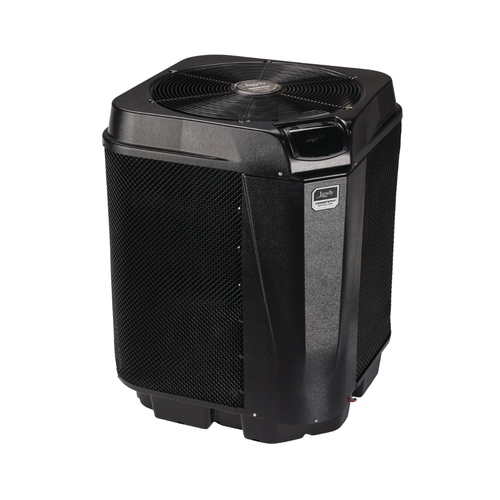
Pool chillers and heaters are the mechanical systems that actively manage water temperature: heaters bring a pool up to a target temperature and hold it there, while chillers pull heat out of the water when ambient conditions push temperatures too high. Some units combine both functions in a single chassis, giving year-round control from one piece of equipment. The buyers shopping this category range from homeowners replacing an aging heater on an in-ground residential pool, to commercial facility managers maintaining aquatic centers or hotel pools, to contractors and installers sourcing equipment for a specific job, to distributors stocking units for a regional service fleet or resale inventory.

Choosing the Right Pool Chiller or Heater

The single most important decision is capacity, and it is one you should not guess at. The right sizing comes from a proper heat-loss calculation that accounts for pool surface area, volume, geographic climate, average ambient temperature range, whether the pool is indoors or outdoors, and whether a cover is used regularly. Undersizing means the unit runs continuously without ever hitting the setpoint. Oversizing wastes money upfront and, in some configurations, can cause short-cycling that shortens equipment life. Get the load calculation done before you select a unit, not after.

Application type is the next filter. A residential backyard pool has fundamentally different demands than a competitive lap pool, a hotel amenity pool, or a large commercial aquatic facility. Commercial installations typically require units rated for continuous-duty, higher-volume applications and may face local health code requirements around minimum or maximum water temperatures. Residential applications are generally less demanding, but that does not mean any residential-grade unit fits every home pool. Confirm what the application actually calls for before selecting a unit.

Efficiency is worth considering carefully, especially for pools that run year-round. Heat pumps, for example, move heat rather than generate it, which generally results in lower operating costs at the right ambient conditions. However, heat pump performance varies with outdoor air temperature, so a unit that is highly efficient in a warm climate may perform differently in a region with cool springs and falls. Think through the full seasonal operating window for your location and weigh that against upfront equipment cost. Utility rebates for higher-efficiency pool heating equipment exist in some regions and are worth checking before you finalize a selection. The installation-readiness factors covered further down also feed back into this decision, since electrical supply and site conditions can limit which efficiency tier is actually feasible for a given install.

If you are a distributor or purchasing in volume for a fleet, lead time and availability across a range of capacities are the practical buying variables that matter most, alongside unit pricing. The selection considerations above still apply to the end-use jobs those units will serve.

Buying Tips

  • Do not skip the pool cover question. A pool that runs uncovered overnight loses heat dramatically faster than one that is covered. A buyer who sizes a heater for a covered pool and then never uses the cover will find the unit undersized in practice. Ask about actual usage habits before finalizing capacity.
  • Chiller-only vs. combination units: match the climate, not just the budget. In regions where summer heat is a real problem and winters are mild enough to swim, a combination unit earns its higher upfront cost quickly. In climates where cooling the pool is rarely needed, a chiller-heater combination may be more equipment than the job warrants.
  • Verify refrigerant compatibility before a like-for-like replacement. Older pool heat pump equipment may use refrigerants that are being phased out or are no longer available in the same form. A replacement unit that uses a different refrigerant is not a drop-in swap in the way a same-refrigerant unit is. Check the existing equipment's rating plate and confirm the replacement unit's refrigerant type before purchasing.
  • Factor in sound ratings for residential installs near property lines or outdoor living spaces. Pool equipment pads are often closer to a neighbor's fence or a patio than a typical outdoor HVAC condenser. A unit that is technically the right capacity but runs louder than the site allows creates a real problem that cannot be fixed without replacement. Check the sound specification before you order, not after the unit is installed.

Heater-Only, Chiller-Only, or Combination: Which Setup Fits

This category covers three real configuration types, and choosing between them is a straightforward function of your climate and how you use the pool.

  • Pool heaters are the most common configuration. They raise water temperature to a comfortable setpoint and maintain it against heat loss. These are the right choice for climates where the problem is water that is too cold, whether that means extending the swim season into shoulder months or keeping a year-round pool at a consistent temperature through winter. Gas, heat pump, and electric-resistance heater types each have different operating-cost and site-requirement profiles, and those differences matter more in some climates than others.
  • Pool chillers are the right pick where summer heat genuinely pushes water temperatures above a comfortable or safe level, or where a commercial application (a competitive pool, for instance) requires precise temperature control within a tight range regardless of outdoor conditions. Chillers are also used for indoor pools in warm climates where passive cooling is not available.
  • Combination chiller-heater units handle both directions of temperature control from one piece of equipment. For pools in climates with hot summers and cool winters, or for facilities that need year-round precise control, a single combination unit reduces equipment footprint, simplifies the mechanical system, and eliminates the need to separately source and install two units. The tradeoff is higher upfront cost compared to a heater alone.

What It Takes to Install a Pool Chiller or Heater

Electrical supply is the first thing to check on site. Pool heaters and chillers draw meaningful amperage, and the electrical service, panel capacity, breaker size, and disconnect must all match what the unit requires. Pull the unit's specification sheet and compare it against what is already on site before purchasing. A mismatched electrical setup is not a minor adjustment; it can mean a service upgrade, and that changes the total project cost significantly.

Plumbing integration is the next physical reality. Pool temperature-control equipment connects into the pool's circulation system, and the connection points, flow rates, and bypass arrangements need to match what the unit calls for. Verify the existing pump and circulation system can deliver the flow the new unit requires, and check whether any bypass valves or flow-control components need to be added or repositioned.

Placement and clearances matter more than buyers often expect. These units need adequate airflow around them (especially heat pumps, which draw outside air across a coil), access for service, and sufficient distance from structures, fences, and air intakes. Look up the clearance requirements in the unit's installation manual before deciding on a location. Moving a pad after installation is expensive.

Operating temperature range is worth noting for heat pump configurations specifically. Heat pumps extract heat from outside air, which means their heating output and efficiency change with ambient temperature. In climates with genuinely cold winters, there may be a lower ambient temperature threshold below which a heat pump operates at reduced capacity or cannot maintain setpoint. Measure the realistic low-temperature conditions at the installation site and compare them against the unit's rated operating range before finalizing the selection.

Controls and integration vary by unit. Some pool heaters and chillers connect to existing pool automation systems; others operate as stand-alone units with their own controls. If the installation includes a pool automation controller or a building management system, verify compatibility with the unit before purchasing. Retrofitting controls after the fact is possible but adds cost and complexity.

Finally, check whether any local permits are required for pool heating equipment replacement or new installation. Many jurisdictions require a permit for new pool mechanical equipment, and some require inspection of the electrical connection. Ask before the install, not after.

Things You Should Know Before You Buy

Q: How do I determine the right capacity for my pool heater or chiller?

A: Capacity is determined by a heat-loss calculation that accounts for your pool's surface area, volume, geographic location, typical ambient temperatures, and whether the pool is covered when not in use. There is no reliable shortcut rule of thumb that works across different climates and pool sizes. Have a contractor or the equipment manufacturer run the calculation, or use a recognized sizing guide for pool heating, rather than estimating from pool volume alone.

Q: What is the difference between a pool heater and a pool heat pump?

A: A pool heat pump extracts heat from outdoor air and transfers it to the pool water rather than generating heat by burning gas or running electric-resistance elements. The sizing and ambient-temperature performance considerations covered in the selection guidance above apply directly here — heat pumps are well suited to moderate climates but lose output as outdoor temperatures drop.

Q: Can one unit both heat and chill a pool?

A: Yes. Combination chiller-heater units handle both functions from a single piece of equipment. When one makes sense versus heater-only or chiller-only equipment is covered in the configuration section above.

Q: Does a pool chiller or heater need a dedicated electrical circuit?

A: In most cases, yes. Pool heating and chilling equipment draws significant amperage and typically requires a dedicated circuit, a correctly rated breaker, and a disconnect within sight of the unit. The exact electrical requirements vary by unit; pull the specification sheet for the equipment you are considering and compare it against your site's panel capacity and existing service before purchasing. The installation section above covers what to check on site.

Q: What is the typical lifespan of a pool heater or chiller, and what affects it?

A: Lifespan varies by equipment type, water chemistry, climate, and how well the unit is maintained. Gas heaters are generally more sensitive to water chemistry than heat pumps; scale buildup and corrosive water can significantly shorten a heater's life. Maintaining proper pool chemistry and scheduling regular service inspections are the two most controllable factors that affect how long the equipment lasts.

Q: Is a pool chiller or heater installation a DIY job?

A: The plumbing connection is manageable for an experienced DIYer in some jurisdictions, but the electrical work almost always requires a licensed electrician, and many local codes require a permit for the full installation regardless. A heat pump or gas heater also involves refrigerant or gas connections that require certified technicians. The permit and electrical considerations are detailed in the installation section above.

Q: What maintenance does a pool chiller or heater require?

A: At minimum: keep the coil and air intake area on heat pump units clear of debris, check and maintain proper pool water chemistry year-round, inspect the unit at the start of each season, and have a technician check refrigerant charge and electrical connections periodically. Units that sit unused through winter should be properly winterized per the manufacturer's instructions to prevent freeze or corrosion damage.

HVAC365 ships pool chillers and heaters nationwide, which means the right unit can reach a residential backyard job or a commercial facility install without being dependent on local stock availability. The catalog spans the capacity and configuration range this category calls for, from residential replacements to larger commercial-rated equipment, and is available to homeowners, contractors, and distributor accounts alike. When pool season arrives or a unit fails mid-summer, having a stocked, shippable selection on hand is the practical difference between a job that moves and one that waits.

Compare

Fast Shipping

Easy Returns

Warranty Coverage

Financing Available