-
$1,650.71Ships in 1-2 Business Days6 in stock
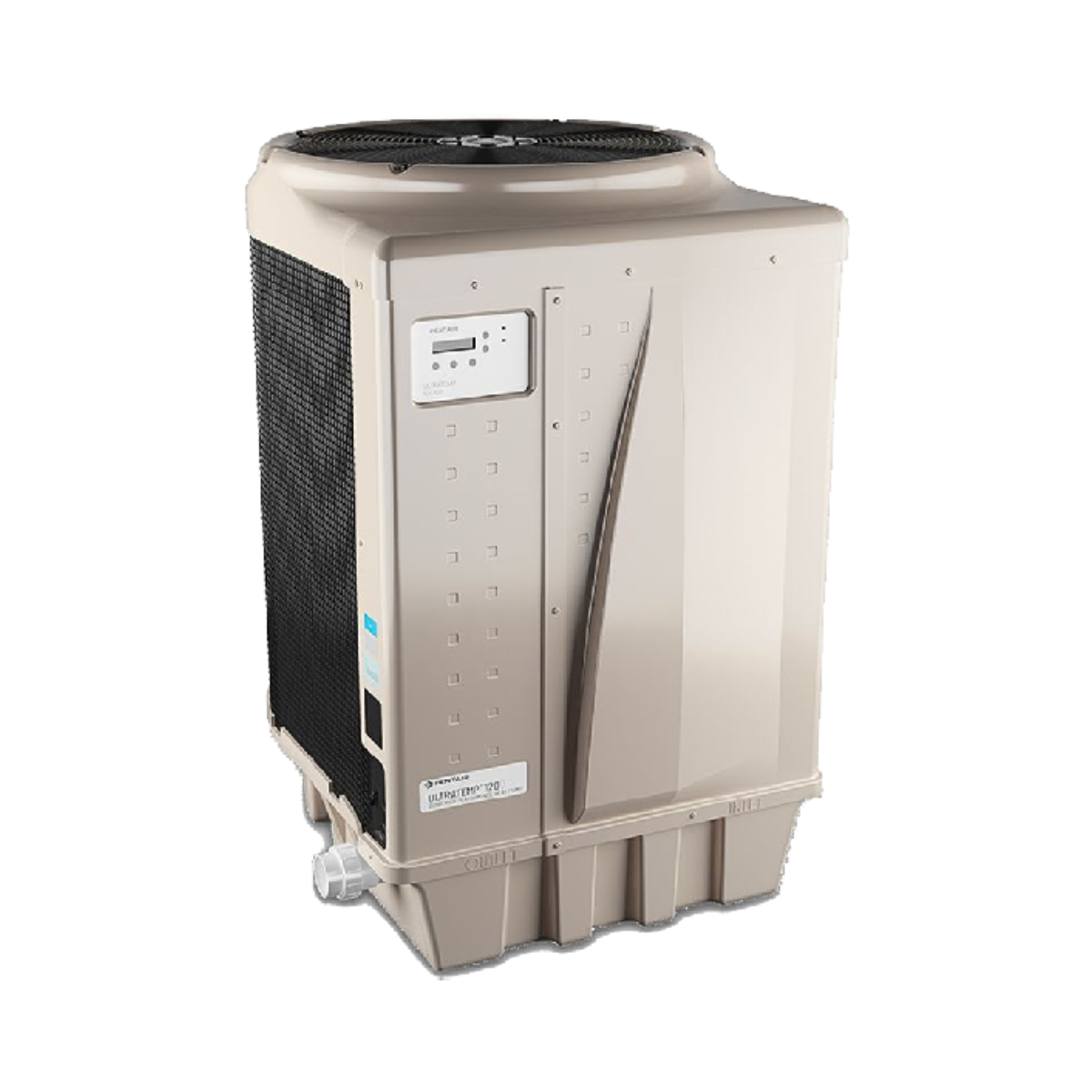
Extending your swimming season takes the right equipment, and an undersized or mismatched heater means cold water, wasted energy, and a pool you stop using earlier than you should. Electric pool heaters solve that problem by delivering consistent, controllable heat without combustion, making them a practical choice for pools where gas lines are absent, restricted, or simply not the right fit for the application. HVAC365 stocks a range of electric pool heaters across capacity and application types so you can match the right unit to the job rather than settling for whatever ships fastest — whether you are replacing a failed unit, upgrading an undersized one, or heating a pool for the first time.
This category covers electric pool heaters for in-ground and above-ground pools and spas. That includes resistance-based electric heaters and electric heat pump pool heaters, both of which use electricity as the energy source but work very differently in practice. Buyers here range from homeowners replacing an aging unit or heating a pool for the first time, to contractors sourcing equipment for a residential or light-commercial install, to commercial facility operators heating larger pools with heavier usage demands, to distributors and supply houses stocking pool heating equipment for their own customers. If you are also evaluating other pool heating approaches, the broader Pool Heater category covers the full range of fuel types and technologies available through HVAC365.
The single most important decision is capacity, and it is also the one most buyers get wrong by guessing instead of calculating. The heat load for a pool depends on the pool's surface area, volume, the average and minimum air temperatures in your climate, wind exposure, whether you use a pool cover, and whether the pool is indoors or outdoors. A load calculation specific to your pool and your location is the only reliable way to size the unit. Oversizing wastes money upfront and can create control problems; undersizing means the heater runs constantly and still cannot reach your target temperature on a cold night.
The technology choice matters just as much as the capacity. Electric resistance heaters convert electricity directly to heat. They work in any air temperature and can maintain water temperature even when ambient temps are low, but they draw significant power and carry higher operating costs. Electric heat pump pool heaters pull heat from the surrounding air and transfer it to the water, which makes them far more efficient per unit of heat delivered, but they lose effectiveness as air temperatures drop. If your swimming season runs into cooler weather, or if you are in a region with cold spring and fall nights, check the heat pump's rated performance at the lower end of your expected ambient temperature range before you buy. A heat pump that works well at 60 degrees Fahrenheit may struggle at 45. Resistance heaters carry no such limitation, though the tradeoff is energy cost.
Application type shapes the decision too. A residential pool for a single household has different duty-cycle expectations than a commercial pool at a hotel or fitness facility that runs all day, every day. Commercial-duty units are built to handle continuous operation; residential units are not always rated for that kind of load. Be clear about your use case before you specify a model. The installation-readiness factors covered further down also feed into this decision, particularly around electrical service, since a heat pump and a resistance heater of similar heating output draw power very differently.
For contractors and distributors, it is worth noting that volume pricing, lead time, and unit availability can become deciding factors on larger jobs or fleet stock orders, separate from the technical spec questions above.
These two technologies share an energy source but work in completely different ways, and the right choice depends on how you use the pool and where it is located.
For above-ground pools and smaller in-ground pools, capacity requirements are generally lower, which affects which models are appropriate. For larger in-ground pools or commercial applications, capacity and duty rating both need to be matched carefully to the actual load.
Electric pool heaters have specific site requirements that need to be addressed before equipment arrives, not after. Getting these right at the planning stage avoids costly rework.
Electrical service is the first thing to verify. Both resistance heaters and heat pump pool heaters require a dedicated circuit. The voltage, amperage, and breaker size required vary by unit, so pull the electrical specifications from the product data sheet and compare them against what is actually available at the equipment location. Check whether the existing panel has capacity for an additional circuit of the required size. For resistance heaters in particular, the draw can be substantial; verify with the utility or an electrician if there is any question about service capacity.
The disconnect and wiring run from the panel to the heater location also need to be sized correctly for the unit. A disconnect that is the wrong amperage rating is a code violation and a safety issue. Measure the actual wire run distance, not just the straight-line distance, since longer runs affect wire gauge requirements.
For heat pump pool heaters, airflow clearance around the unit is a non-negotiable installation requirement. These units draw in large volumes of ambient air and exhaust cooler air. Check the manufacturer's required clearances on all sides before finalizing the installation location. An undersized or enclosed space degrades performance and can cause the unit to fault.
Plumbing connections need to match the existing pool circulation system in terms of pipe diameter and flow rate. The pool heater sits in the circulation loop, downstream of the filter and pump. Look up the heater's flow rate requirements and compare them against the existing pump's output. Too little flow can cause the heater to overheat or shut down on high-limit; too much can also be problematic depending on the unit.
For outdoor installations, look at the rated ambient temperature range of the unit and compare it against your local climate. Heat pump pool heaters in particular have lower operating limits; resistance heaters are generally not limited by ambient temperature in the same way, but the unit's enclosure and component ratings still matter for freeze protection and outdoor durability.
Check whether local building permits are required for the installation. Pool equipment installations, particularly those involving electrical work, often require a permit and inspection. Requirements vary by jurisdiction, so look up the local rules before starting the job.
A: An electric resistance pool heater converts electricity directly into heat through a heating element, and works at any ambient temperature. An electric heat pump pool heater extracts heat from the outside air and transfers it to the water, which makes it more energy-efficient in mild and warm weather but less effective when air temperatures drop. Both use electricity as the energy source. The full side-by-side breakdown of how each technology works and where each fits best is in the comparison section above.
A: Capacity is determined by a heat load calculation that accounts for your pool's surface area and volume, your local climate, wind exposure, and whether you use a pool cover. Guessing leads to undersized units that cannot reach target temperature, or oversized units that cost more than necessary. The sizing factors are covered in detail in the choosing section above — work from those, not a general rule of thumb.
A: Yes. Electric pool heaters are available for both above-ground and in-ground pools, though the appropriate capacity will differ based on the pool's size and your heating goals. Check that the unit you select is rated for above-ground pool use and that the plumbing connections are compatible with your existing setup.
A: Electric pool heaters require a dedicated circuit with specific voltage and amperage requirements that vary by unit and technology type. Pull the electrical specifications from the product data sheet, compare them against your available panel capacity and existing wiring, and have a licensed electrician confirm the installation meets local code. The site checklist above covers what to verify before you order.
A: Heat pump pool heaters lose efficiency and heating output as ambient air temperature falls, and most have a minimum operating temperature below which they will not perform reliably. Check the unit's rated performance at the lowest ambient temperatures you expect during your pool season. If your season extends into cold nights, an electric resistance heater may be the more reliable choice — the tradeoffs are covered in the technology comparison above.
A: Some electric pool heaters are rated for saltwater pools; others are not, or carry different warranty terms for saltwater applications. Check the manufacturer's documentation for the specific unit before purchasing, and review the warranty language for any saltwater exclusions or conditions.
A: In most jurisdictions, yes. Pool equipment installations involving electrical connections typically require a permit and inspection. Requirements vary by local code, so check with your municipality or AHJ (authority having jurisdiction) before starting the installation.
HVAC365 ships electric pool heaters nationwide, with a broad stocked selection across capacity levels and technology types, so residential replacements and commercial installs alike can be sourced from one place without hunting across multiple suppliers. Whether you need a single unit for a backyard pool or are sourcing inventory for ongoing pool season work, the catalog is built to cover the full range of what pool heating jobs actually call for.

Fast Shipping

Easy Returns

Warranty Coverage

Financing Available