null
Propane Gas Pool Heater

Propane Gas Pool Heater

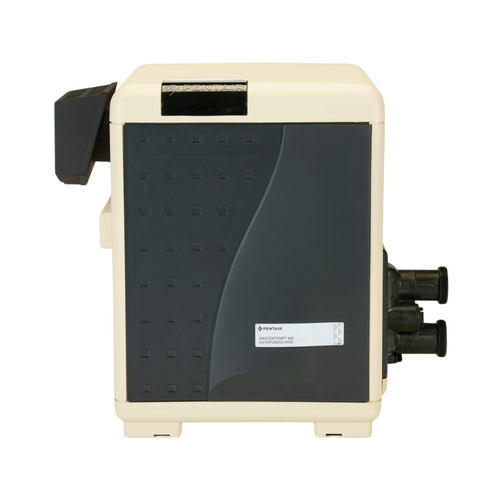
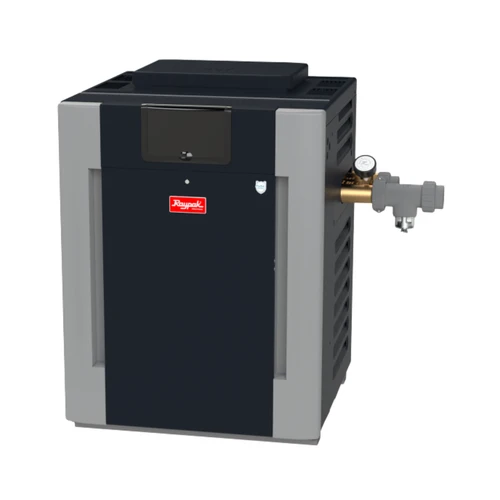
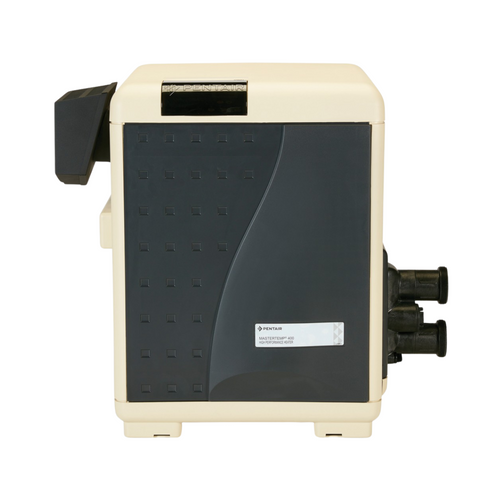
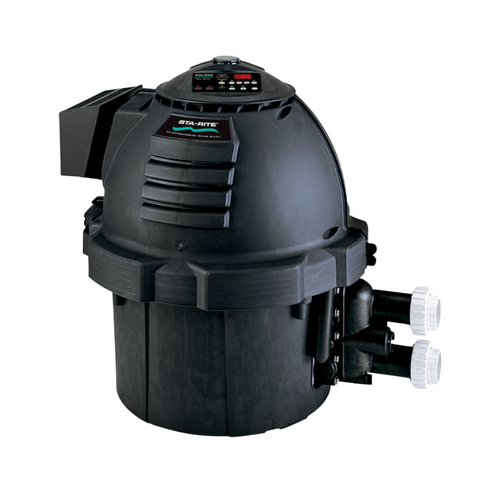
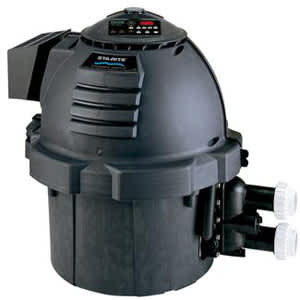
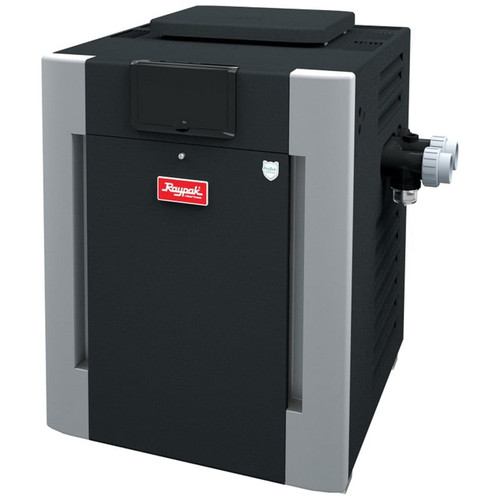
A cold pool is a pool no one uses. Whether it's a backyard install that's sitting at 60 degrees in April or a commercial aquatic facility that needs to hold temperature through the shoulder season, a propane gas pool heater solves that problem directly: it heats pool water efficiently using LP gas, giving you reliable, on-demand warmth regardless of ambient air temperature. HVAC365 stocks a broad selection of propane gas pool heaters across capacity and application ranges, so you can match the right unit to the actual job rather than settling for whatever happens to be available. You can browse the full Pool Heater lineup if you want to compare propane options alongside other fuel types before deciding.

This category covers residential replacements, commercial and facility installs, and contractor or distributor volume purchases. It's the right place whether you're a homeowner replacing a failed heater on an in-ground pool, a facilities manager sourcing a unit for a hotel or community pool, a contractor speccing and purchasing for a client's job, or a distributor stocking multiple units for regional resale. Propane pool heaters cut across all of those needs because LP gas is widely available where natural gas lines aren't, and because propane units deliver high heat output that gets a large body of water up to temperature fast.

Choosing the Right Propane Pool Heater

The single most important thing to nail before buying is capacity. Pool heaters are rated in BTUs, and the right BTU rating for your situation depends on the volume of water you're heating, your target water temperature, the average ambient temperature in your climate during the season you plan to use the pool, and whether you're using a pool cover. A heater that's undersized will run constantly and never quite get there. A heater that's oversized will cost more upfront than it needs to. Neither is a good outcome. Rather than guessing, work with a heat-loss calculation specific to your pool's dimensions, location, and usage patterns, or ask a pool professional to run one. That number tells you what BTU output your situation actually calls for.

Application type is the next filter. A residential in-ground pool, an above-ground pool, a spa, and a commercial pool or aquatic center each place different demands on a heater in terms of sustained duty cycle, water flow rate, and venting requirements. Residential units are generally engineered for intermittent residential loads. Commercial-grade units are built to handle continuous or near-continuous operation across a much larger water volume. Buying a residential unit for a commercial application is one of the more expensive mistakes in this category because it doesn't show up immediately; the unit just degrades faster than it should under the sustained load. Make sure the unit you're speccing is rated for the application type you're actually running.

Efficiency is a real buying consideration but it's also a tradeoff worth understanding. Higher-efficiency propane pool heaters cost more upfront and recover that cost through lower fuel consumption over time. The payoff period depends on how frequently you heat the pool and how long your swimming season runs. If you're heating a pool only a few weekends a year, the economics of a top-tier efficiency unit look different than if you're running a commercial facility year-round. Check whether your local utility or jurisdiction offers rebates for high-efficiency pool heating equipment before you finalize a budget; that can shift the math meaningfully. Contractors and distributors pricing multiple units may find that volume purchasing affects which efficiency tier makes sense across a project portfolio, so factor lead time and pricing alongside efficiency when you're buying at scale.

Buying Tips

  • Don't skip the BTU-to-pool-volume match. Many buyers pick a heater based on a neighbor's recommendation or a similar pool size without accounting for their specific climate and usage window. A pool in Phoenix heating to the same target temp as one in New England requires a very different calculation. Do the heat-loss math before you buy, not after.
  • Verify the ignition type before you commit. Propane pool heaters come with either standing pilot or electronic ignition. Electronic ignition is more fuel-efficient and more common in newer units, but if you're replacing an older heater, verify that your existing controls and wiring are compatible with the ignition type you're buying. Retrofitting ignition compatibility after the fact adds cost and labor.
  • Check the heat exchanger material for your water chemistry. Pool water chemistry, especially in pools treated with saltwater systems or high sanitizer concentrations, can corrode certain heat exchanger materials faster than standard chlorinated water. Look at what the heat exchanger is made of and whether the manufacturer has guidance on compatible water chemistry ranges. This is cheap to verify before the purchase and expensive to ignore after the fact.
  • Factor in venting requirements early. Propane gas pool heaters need adequate combustion air and proper venting or clearance. The specific requirements vary by unit and local code. Getting a quote on venting modifications after the heater is already on site, or discovering a clearance conflict during install, adds cost that could have been avoided with a site check upfront. The installation notes below go into more detail on what to look at.
  • Ask about rebates before you finalize the model. Some jurisdictions and utilities offer rebates on high-efficiency pool heating equipment. If you're replacing an existing unit or speccing a new install, check for available rebates in your area before you lock in a model — it can shift the economics on higher-efficiency tiers enough to change the decision.

Propane Pool Heater Configurations: What's Actually Different

Propane pool heaters don't segment into wildly different configuration families the way, say, ductless systems do, but there are real distinctions worth understanding before you buy.

  • Standard (atmospheric) vs. induced-draft vs. condensing: Standard atmospheric-burner heaters are common, straightforward to install, and lower in upfront cost. Induced-draft models use a blower to control combustion air more precisely, which improves efficiency and gives you more flexibility in venting placement. Condensing propane pool heaters extract additional heat from the flue gas and represent the highest efficiency tier, but they also require condensate drainage and typically cost more. If you're running a pool frequently through a long season, a condensing unit's operating cost advantage compounds meaningfully over time.
  • Residential vs. commercial-rated units: Commercial-rated propane pool heaters are built for sustained, heavy-duty operation and larger water volumes. They typically carry commercial certifications and are engineered to different duty-cycle expectations than residential units. If you're speccing for a hotel, community center, or any facility with near-continuous use, this distinction is not optional, it's a compliance and longevity issue.
  • Heater-only vs. heater/heat pump combinations: Some buyers in climates with warm summers consider pairing a propane heater with a heat pump to handle base-load heating during warmer months and use the gas heater as a booster during colder periods. That's a system-level decision that affects both upfront cost and operating economics, and it's worth flagging early in the design phase if it's on the table.

What It Takes to Install a Propane Pool Heater

Propane gas pool heaters are not a simple swap in most cases. There are several site conditions you need to verify before the unit arrives on the job.

Start with the gas supply. Check that your LP gas supply line, regulator, and tank capacity can support the BTU demand of the heater you're installing. Undersized gas supply is a common cause of poor heater performance that doesn't get diagnosed until after installation. Pull the heater's spec sheet and look up the gas inlet pressure and BTU input rating; compare those against your supply capacity. If there's a mismatch, you're looking at regulator or line upgrades before the heater will perform correctly.

Venting is the next thing to work through. Propane pool heaters require combustion air and a path for flue gases to exit safely. The required clearances from structures, fences, and openings vary by unit and are governed by local codes. Measure the installation area before the unit ships and compare it against the clearance requirements in the spec sheet. For induced-draft and condensing units, verify the allowable venting materials and maximum venting run lengths, since these differ from standard atmospheric venting requirements.

Water flow rate matters more than many buyers expect. Each heater specifies a minimum and maximum flow rate through the heat exchanger. If your pool pump delivers water outside that range, you risk either triggering the high-limit safety shutoff (too low flow) or reducing efficiency and heat transfer (too high flow). Check the pump's flow rate against the heater's requirements, and factor in any filter or plumbing restrictions between the pump and the heater inlet.

For condensing propane pool heaters, a condensate drain is required. Verify where and how the condensate can be routed from the installation site. In some locations, condensate neutralization is required before discharge; look up your local code on this before you finalize the install plan.

Controls and integration deserve a look if you're replacing an existing heater. Modern propane pool heaters may include digital controls, remote operation capability, or integration with smart pool automation systems. If the pool already has an automation controller, check that the new heater is compatible with it before you finalize the model selection. If it isn't, account for the cost of an interface or adapter in your project budget.

Finally, propane pool heater installation typically requires a licensed contractor and may require a permit depending on your jurisdiction. Check with your local building department before work starts, especially for commercial installs where inspections and code compliance carry more formal weight.

Questions Buyers Actually Ask

Q: How do I know what BTU rating I need for my pool?

A: The right BTU rating depends on your pool's surface area and volume, your target water temperature, the average air temperature during your heating season, and whether you use a pool cover. The industry-standard approach is a heat-loss calculation that accounts for all of those factors. A pool professional or a qualified HVAC contractor can run this calculation for your specific situation. The sizing guidance above covers why skipping this step leads to oversizing and undersizing problems.

Q: Can a propane pool heater work with an existing natural gas pool heater connection?

A: No, not directly. Natural gas and propane operate at different pressures and require different orifice sizes and regulators. A heater configured for natural gas cannot simply be connected to a propane supply. Some propane pool heater models include a conversion kit or are available in dual-fuel configurations, but you need to verify this specifically with the manufacturer for the unit you're considering. Attempting to run a natural gas-configured heater on propane without proper conversion is a safety hazard.

Q: Is a propane pool heater a good choice if natural gas isn't available at my property?

A: Yes, this is exactly the scenario propane pool heaters are designed for. LP gas is deliverable to virtually any location, so propane pool heaters are a practical option for rural properties, lakefront homes, and any site where a natural gas line isn't accessible. The tradeoff is that you need adequate LP tank capacity on site and a regular delivery relationship with a propane supplier to avoid running out of fuel during the heating season.

Q: What's the difference between a residential and a commercial propane pool heater?

A: Commercial-rated units are built for sustained, continuous operation at higher duty cycles and typically serve much larger water volumes than residential units. Using a residential unit in a commercial application leads to premature failure and potential warranty voidance. The configurations section above covers this distinction in more detail, including what certifications and duty-cycle differences to look for.

Q: Do propane pool heaters need a dedicated electrical connection?

A: Most propane pool heaters require a low-voltage or line-voltage electrical connection for the ignition system, controls, and blower (on induced-draft and condensing models). The exact electrical requirements vary by unit. Check the spec sheet for the specific heater you're installing and verify that the existing electrical supply at the installation site matches those requirements. A licensed electrician should handle any new circuit or wiring work.

Q: How long does a propane pool heater typically last?

A: Service life varies by brand, model, installation quality, and how well water chemistry is maintained. Heat exchanger corrosion from poor water chemistry is one of the leading causes of early failure in pool heaters. Keeping water chemistry within the manufacturer's recommended ranges and scheduling regular service inspections is the most direct way to get full service life from the unit. The buying tips above cover heat exchanger material compatibility, which is worth reviewing before you buy.

Q: Can a propane pool heater also heat a spa or hot tub?

A: Yes. Many propane pool heaters are rated for combined pool and spa use. Some units are specifically configured with dual thermostat controls to manage pool and spa temperatures independently. Verify that the unit you're considering is rated for your specific configuration, since heating a spa alongside a large pool places different demands on the heater than heating either one independently.

When you need a propane pool heater and you need it to actually show up, HVAC365 ships nationwide and maintains a broad, stocked selection across residential replacements and commercial-grade units. Whether you're a homeowner waiting on a part to complete a repair or a contractor with a job on the schedule, having a reliable catalog with real inventory availability means your project doesn't stall waiting on equipment. Browse the full propane gas pool heater selection above and reach out if you need help matching a unit to your specific application.

Compare

Fast Shipping

Easy Returns

Warranty Coverage

Financing Available