null
Pool Light Niches

Pool Light Niches

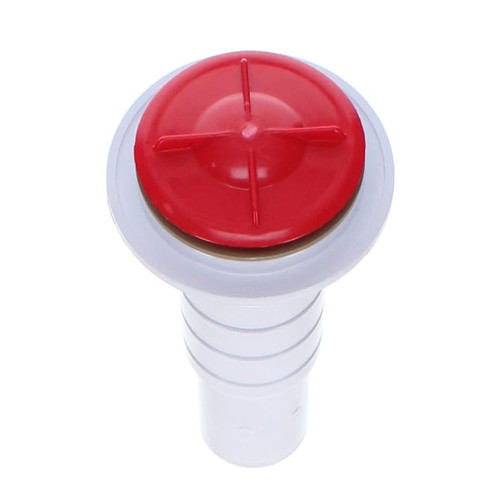
The light niche is the housing that holds an underwater pool or spa light in the wall of the pool. It is set during construction, before the plaster, liner or fiberglass finish goes on, and once it is in, it stays for the life of the pool. The light fixture can be swapped many times, but it always has to fit the niche. Getting the niche right on a new build or a major renovation saves headaches every time the light is serviced.

This category covers pool light niches and related parts: large niches for full-size pool lights, small niches for spa lights, niches for gunite and concrete pools, vinyl liner pools and fiberglass pools, plus conduit connections and hardware. Builders and renovation contractors buy niches during construction and replastering. Service techs buy them when a damaged niche has to be replaced or when an incompatible light requires a different housing.

How a Light Niche Works

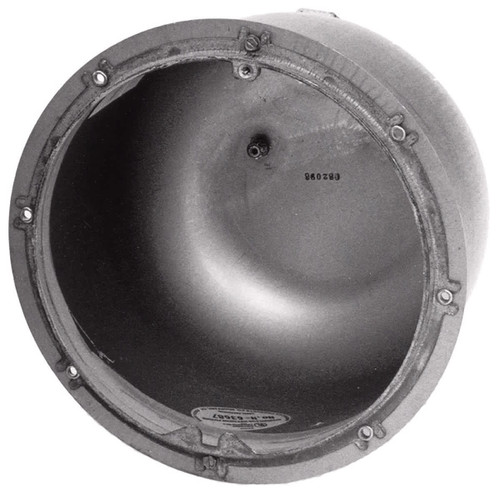
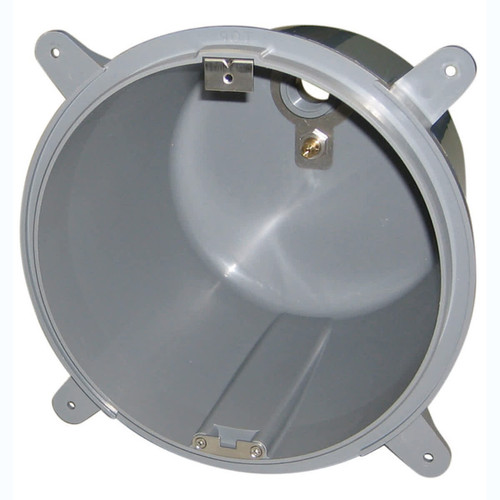
The niche is a rigid shell, plastic or metal, with a threaded opening at the back for conduit and a bonding lug where required. The light fixture slides into the niche and is secured with a pilot screw at the top. The fixture's cord runs through the niche's conduit hub, through conduit, up to a deck box or junction box above the pool.

  • Wet niche design. Standard pool lights are wet-niche fixtures: water fills the space around the fixture inside the niche, which helps cool the light. The fixture itself is sealed.
  • Service loop. Several feet of extra cord are coiled inside the niche behind the fixture. That slack lets a tech remove the pilot screw and lift the light up onto the deck for relamping without draining the pool.
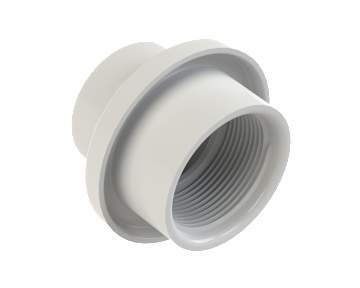
  • Conduit hub. The niche connects to conduit, commonly 3/4 inch or 1 inch depending on the niche and local code, which carries the cord to the junction box.
  • Bonding. Metal niches and niches with bonding provisions connect to the pool's equipotential bonding grid with a solid copper conductor at the bonding lug.

Large vs Small Niches

  • Large niches hold full-size pool lights, the main lights in the pool walls.
  • Small niches hold spa lights and small pool lights used on steps, benches and smaller bodies of water.
  • A large light will not fit a small niche, and a small light needs an adapter to sit properly in a large niche. Plan the size during construction based on the lighting design.

Gunite vs Vinyl vs Fiberglass Niches

  • Gunite and concrete. The niche is set in the steel and shotcrete or gunite shell with a forming ring or shield so the plaster finish ends cleanly at the face. The niche must be set at the correct depth relative to the finished wall so the light face sits flush.
  • Vinyl liner. The niche mounts to the wall panel and uses a gasket and face ring that clamp the liner in place around the opening. The liner is cut inside the ring after the gasket is secured. Correct gasket and screw installation is what keeps the liner from leaking.
  • Fiberglass. The niche mounts through an opening in the fiberglass shell with gaskets and a clamping ring, similar to a vinyl niche but designed for the shell thickness.

Signs It's Time to Replace a Niche

  • Cracked or broken niche found during a light replacement or renovation.
  • Leaks at the light on a vinyl or fiberglass pool from a failed gasket or cracked face ring.
  • Corroded metal niche in older pools, especially with a pilot screw hole that is stripped and no longer holds the light.
  • Incompatible fixture. A new light that does not fit the existing niche, where an adapter is not available or not recommended.
  • Renovation. A replaster or major remodel is the best time to replace a damaged or obsolete niche.

How to Choose the Right Niche

  1. Pool construction type. Gunite, vinyl or fiberglass. Each uses a different niche design.
  2. Light size. Large or small, based on the fixture that will go in it.
  3. Brand compatibility. Light fixtures are designed to fit specific niches. Using the same brand for niche and light is the simplest way to guarantee a correct fit and pilot screw alignment.
  4. Conduit size. Match the hub to the conduit your electrician plans to use and local code allows.
  5. Bonding provisions. Confirm whether the niche requires bonding and has a lug, and include that in the bonding plan.
  6. Cross-reference the OEM part number when replacing an existing niche.
Pool Type Niche Style Key Considerations
Gunite or concrete Set in the shell with forming ring or plaster shield Depth to finished wall, bonding to the steel grid
Vinyl liner Mounts to wall panel with gasket and face ring Gasket seating, liner cut after the ring is secured
Fiberglass Through-shell with gaskets and clamping ring Shell thickness, gasket compression
Spa or small light, any type Small niche Fixture compatibility, cord length

NEC 680 Deck Box and Junction Box Basics

The niche is only part of the light circuit. NEC Article 680 governs how it connects to power, and your licensed electrician and local inspector make the final call based on the code edition adopted where you are. General points include:

  • Junction box location. Junction boxes for underwater lights must be listed for the purpose and located at a minimum height above the deck or ground and above the maximum water level, whichever is greater, and at a minimum distance from the inside wall of the pool unless separated by a permanent barrier. The 2023 NEC sets these at 4 inches above the deck, 8 inches above water level and 4 feet from the pool wall, but check your local code.
  • Deck boxes. Flush deck boxes are allowed only in specific conditions, such as with low-voltage lighting and listed boxes. Many inspectors prefer a raised junction box.
  • Conduit. The conduit from the niche to the box must be an approved type and size, and many installations require an insulated bonding or grounding conductor in the conduit as specified by code.
  • Bonding and grounding. Niches with bonding provisions connect to the equipotential bonding grid with solid copper, and the fixture is grounded through its cord.
  • GFCI. 120 V lights require GFCI protection. 12 V lights require a listed safety transformer.

Installation and Safety Tips

  • Use a licensed electrician and a qualified builder. Niches tie into the pool structure and the electrical system, both of which are inspected.
  • Set the niche level and plumb, with the top marked so the pilot screw ends up at the top.
  • Protect the niche during construction. Cap the conduit and cover the opening so shotcrete or debris does not get inside.
  • Leave enough service loop when the light is installed, so it can reach the deck later.
  • On vinyl pools, install the gasket and ring before cutting the liner, and tighten screws evenly in a crosswise pattern.

Shopping This Category at HVAC365

Every niche at HVAC365 is brand-new with the full manufacturer warranty, and product pages list the pool construction type, light size, compatible fixtures and conduit size. In-stock items ship in 1-2 business days. If you are planning a build or matching a niche to a specific light, send us the pool type and fixture model and we will help confirm compatibility.

Frequently Asked Questions

Can I put any brand of light in any niche?

Not always. Fixtures are designed for specific niche dimensions and pilot screw positions. Same-brand pairings are the most reliable, and some manufacturers offer adapters for crossover fits.

What is the difference between a large and a small niche?

Large niches hold full-size pool lights. Small niches hold spa lights and small pool lights. A large light cannot go in a small niche, and a small light needs an adapter in a large niche.

Does the niche need to be bonded?

Metal niches and niches with a bonding lug must be bonded to the pool's equipotential bonding grid under NEC Article 680. Your electrician will include it in the bonding plan.

Why is there extra cord coiled behind my pool light?

That is the service loop. It lets the light be pulled out and set on the deck for relamping or service without draining the pool.

Can I replace a niche without draining the pool?

Usually not. Replacing a niche means working on the pool wall behind the water line, which typically requires lowering the water and, on gunite pools, patching or replastering around it.

How high does the junction box need to be?

NEC Article 680 sets minimum heights above the deck and maximum water level and a minimum distance from the pool wall. The current numbers depend on your adopted code edition, so confirm with your electrician and local inspector.

Compare
Show: 12 24 48

Fast Shipping

Easy Returns

Warranty Coverage

Financing Available