
-
Little Giant
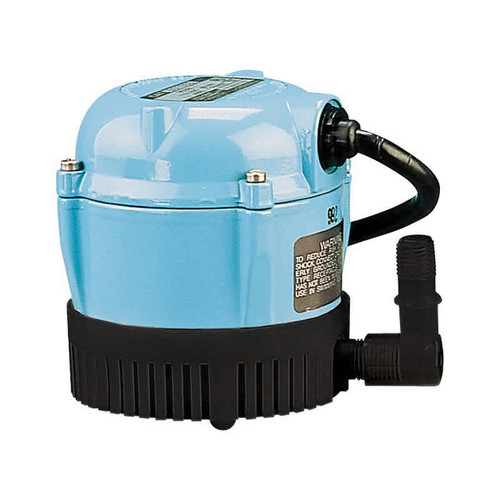
Little Giant 115 VAC 1.1 A 2.83 gpm 18' Cord Small Oil-Filled Submersible Sump Pump | 500500
SKU: 500500
$339.71- 🚚Qualifies for FREE Shipping
- ⚡Fast Shipping
Ships in 1-2 Business Days1 in stock -
Superior Pumps
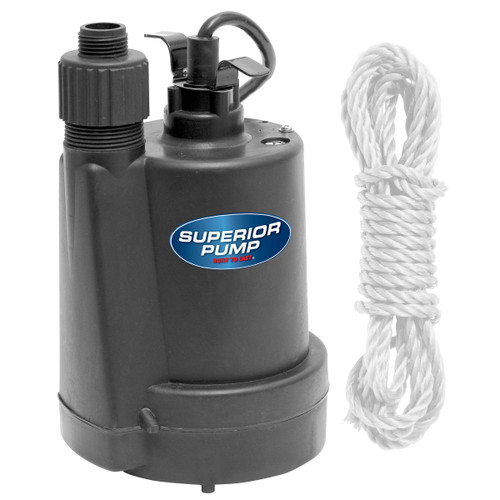
Superior Pumps Superior Utility Pump 1/5 hp 25' 26 gpm Thermoplastic 25' Head, w/Float | 91029
SKU: 91029
$173.17- 🚚Qualifies for FREE Shipping
- ⚡Fast Shipping
Ships in 1-2 Business Days56 in stock -
$341.03
- 🚚Qualifies for FREE Shipping
- ⚡Fast Shipping
Ships in 1-2 Business Days1 in stock -
Little Giant
Little Giant 6 Series Manual Sump Pump 1/3 hp 115V 10' 46 gpm Cast Iron 18' Head | 506271
SKU: 506271
$427.69- 🚚Qualifies for FREE Shipping
- ⚡Fast Shipping
Ships in 1-2 Business Days18 in stock -
Superior Pumps
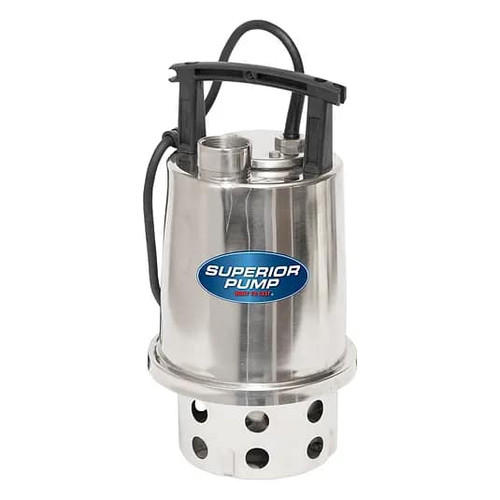
Superior Pumps Superior Main Drain Utility Pump 1/2 hp 120V 25' 93 gpm Stainless Steel 30' Head | 91875
SKU: 91875
$486.71- 🚚Qualifies for FREE Shipping
- ⚡Fast Shipping
Ships in 1-2 Business Days41 in stock -
$607.05
- 🚚Qualifies for FREE Shipping
- ⚡Fast Shipping
Ships in 1-2 Business Days5 in stock
Buying guidance
Cover, Pond & Sump Pumps


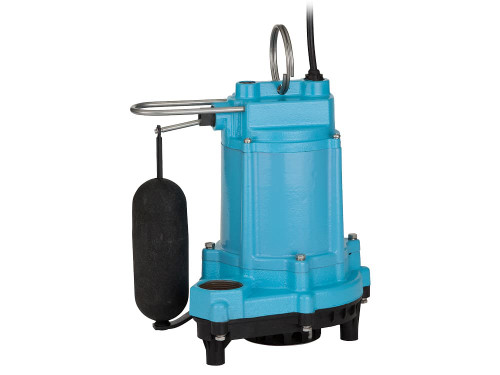
Not every pump around a pool runs the filter. Winter covers collect rain and snowmelt that has to come off before it stretches or sinks the cover. Ponds and water gardens need steady circulation to keep water clear and fish healthy. Equipment pits, crawl spaces, basements and low spots near the pool need sump pumps to keep groundwater and runoff away from equipment and structures. This category gathers those utility pumps in one place.
Here you will find automatic and manual pool cover pumps, submersible pond and fountain pumps, and sump and utility pumps from brands that make pool, pond and water-management equipment. Pool service companies buy cover pumps by the case for closing season. Homeowners buy pond pumps to replace a worn-out unit or set up a new water feature. Sump pumps go to builders, maintenance crews and homeowners dealing with standing water. Any pump that plugs in near water needs a properly grounded, GFCI-protected outlet, and hardwired installations belong to a licensed electrician.
How Cover, Pond and Sump Pumps Work
All three types are usually submersible centrifugal pumps, but each is built for a different job.
- Pool cover pumps sit on top of a winter or safety cover and pump standing water off through a garden hose. Automatic models have a built-in water sensor or float that starts the pump when water collects and shuts it off when the cover is clear. Manual models run whenever plugged in and must be watched.
- Pond and fountain pumps run continuously to circulate water through filters, waterfalls and fountains. They are built for long run times and efficient operation. Some are magnetic-drive pumps with sealed motors; others are direct-drive pumps that move more water and handle more solids.
- Sump and utility pumps sit in a pit or low spot and turn on when water rises. Sump pumps usually use a float switch. Utility pumps are portable and used to drain flooded areas, spas, fountains or equipment pits.
Every pump has a flow curve: the higher it has to lift water (head) and the farther it has to push it, the less water it moves. A pump rated at a certain gallons per hour (GPH) at zero head will move noticeably less at 10 feet of lift.
Signs a Utility Pump Is Failing
- Cover pump not starting automatically. The water sensor or float may be dirty, stuck or failed. Clean the sensor and check the intake screen for leaves.
- Running but not moving water. Clogged intake screen, kinked hose, air lock or a worn impeller. On cover pumps, leaves and pine needles are the usual culprit.
- Pond pump flow dropping. Debris on the intake, a clogged pre-filter, algae buildup in the impeller chamber or a worn impeller.
- Sump pump running constantly. A stuck float, failed check valve letting water flow back into the pit, or more water entering than the pump can handle.
- Tripping the GFCI. A damaged cord, water inside the motor or another fault. Stop using it until it is checked or replaced. Never bypass the GFCI.
- Noisy operation. Debris in the impeller, worn bearings or running dry.
- Damaged or cracked cord. Replace the pump. Cords on most submersible pumps are sealed and are not designed to be spliced.
How to Choose the Right Utility Pump
- Job type. Pick the right pump category first: cover pump, pond pump or sump/utility pump. Each is designed for its own duty cycle and conditions.
- Flow rate (GPH). For cover pumps, a higher GPH clears covers faster after heavy rain. For ponds, a common rule of thumb is to circulate the pond's full volume at least once an hour, and more for waterfalls. For sump pumps, size for how fast water enters the pit.
- Head height. Measure how high the pump must lift water. Check the pump's flow at that head, not just its maximum rating.
- Automatic vs manual. Automatic cover pumps and float-switch sump pumps can run unattended. Manual pumps are cheaper but must be watched to prevent running dry.
- Solids handling. Ponds with fish and plants need a pump that can handle small solids without clogging. Sump pumps in dirty pits need larger solids handling.
- Cord length. Make sure the cord reaches a GFCI outlet without an extension cord. Extension cords near water are a hazard and reduce voltage to the pump.
- Discharge size. Most cover pumps use a standard garden hose fitting. Pond and sump pumps vary, so match the tubing or pipe size.
- Energy use. Pond pumps run 24/7, so a more efficient pump can make a real difference in operating cost over time.
| Pump Type | Typical Operation | Key Features to Compare | Common Mistakes |
|---|---|---|---|
| Automatic pool cover pump | Starts and stops on water level | GPH, sensor type, cord length, hose connection | Leaving it on a cover with debris clogging the intake |
| Manual pool cover pump | Runs while plugged in | GPH, cord length, hose connection | Leaving it running dry |
| Pond and fountain pump | Continuous duty | GPH at head, solids handling, energy use | Undersizing for waterfall head |
| Sump pump | Float-switch automatic | GPH at head, float type, solids handling | Skipping the check valve |
| Portable utility pump | Manual, temporary use | GPH, hose size, portability | Using it unattended |
Installation and Safety Tips
- GFCI protection is required. Plug pumps only into a grounded, GFCI-protected outlet. Never cut off the ground prong or use an ungrounded adapter.
- No extension cords near water. If the cord doesn't reach, have a licensed electrician add a proper outdoor GFCI outlet.
- Never swim with a pump in the water. Cover, pond and utility pumps are not for use when people are in the water.
- Keep the cover pump centered. Place it where water collects, clear leaves around it and route the hose so water drains away from the pool. Check it after storms.
- Don't drain chlorinated or chemically treated water into ponds, storm drains or neighbors' yards. Follow local discharge rules.
- Use a pre-filter on pond pumps. A pre-filter or intake screen protects the impeller and reduces clogging.
- Install a check valve on sump pumps. It prevents water in the discharge pipe from flowing back into the pit.
- Test sump pumps regularly. Pour water into the pit to make sure the float and pump work before you need them.
- Clean and store cover pumps after the season. Rinse the pump, dry it, and store it where it won't freeze with water inside.
Shopping This Category at HVAC365
All cover, pond and sump pumps here are brand-new with the full manufacturer warranty. Product pages list flow rates, head ratings, cord lengths and connection sizes so you can compare. Most items ship in 1-2 business days. If you need help picking the right size, HVAC365 can help you work through the numbers.
Frequently Asked Questions
Can I leave an automatic cover pump on the cover all winter?
Many people do, but it needs regular checks. Clear debris from around the intake and check that it still turns on after storms. In freezing weather, ice can stop it from working, and some manufacturers recommend bringing the pump in during hard freezes.
How big a pond pump do I need?
A common rule of thumb is to turn over the pond's volume at least once an hour. Waterfalls and streams need more flow based on their width and height. Check the pump's flow at your actual head height.
Can I use a sump pump to drain my pool?
A utility pump is better for draining. Draining an inground pool can damage it if groundwater is high, so check with a pool professional before draining one.
Why does my cover pump run but not drain the cover?
Check for a clogged intake screen, kinked hose, or air lock. Make sure the hose outlet is lower than the cover or has a clear path to drain.
Do pond pumps need to run all the time?
For most ponds with fish or biological filtration, yes. Continuous circulation keeps oxygen levels up and supports beneficial bacteria.
Can I splice a damaged pump cord?
No. Submersible pump cords are sealed for water safety. A damaged cord means replacing the pump.


