null
Pool Cleaner Booster Pumps

Pool Cleaner Booster Pumps

Pressure-side pool cleaners like the Polaris 280, 380 and 3900 Sport, and the Pentair Kreepy Krauly Legend series, don't run on the main filter pump alone. They need a small, dedicated booster pump that takes filtered water and pushes it to the cleaner at a much higher pressure than the return line provides. That pressure drives the cleaner's turbine or water-drive mechanism, powers the sweep hose, and creates the venturi suction that pulls debris into the cleaner's bag. When the booster pump is weak or dead, the cleaner crawls, stalls in one spot, or doesn't move at all.

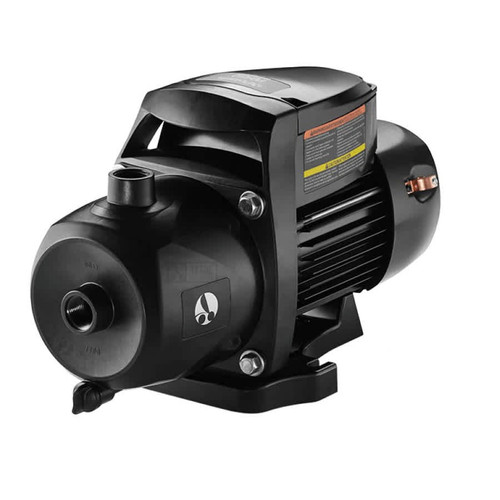
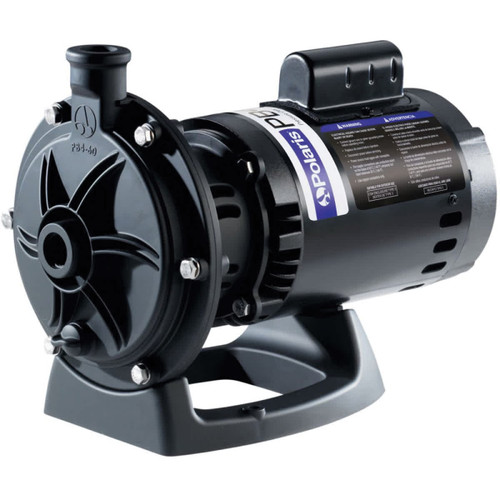
This category covers pressure-cleaner booster pumps and related parts, including the Polaris PB4-60 and the Pentair LA01N, along with other brand-specific and universal boosters. Pool techs replacing failed boosters buy here, as do homeowners whose cleaner has slowed down. Booster pumps run on line voltage and must be wired so they only run when the main pump is running. That wiring should be handled by a licensed electrician or qualified pool professional.

How a Pool Cleaner Booster Pump Works

A booster pump is a small, high-head centrifugal pump. It is plumbed into the return line after the filter, so it receives clean water already pressurized by the main pump. The booster's multi-stage or high-head impeller raises the pressure further and sends that water through a dedicated line to a quick-disconnect wall fitting in the pool. The cleaner's hose connects to that fitting.

Key points about how boosters run:

  • Not self-priming. Boosters rely on the main pump to feed them water. They can't pull water up from the pool on their own.
  • Interlocked operation. The booster must only run while the main filter pump is running. If the booster runs without the main pump, it runs dry and damages the seal quickly.
  • High head, low flow. Boosters produce high pressure at relatively low flow, enough to drive a cleaner but not enough for general filtration.
  • Usually 3/4 HP. Common replacement boosters like the PB4-60 and LA01N are around 3/4 horsepower, though specs vary by model.
  • Typical placement. Installed after the filter, and per most manufacturers' directions after the heater and before any chlorinator or chemical feeder, so the booster isn't handling concentrated chemicals.

Signs the Booster Pump Is Failing

  • Cleaner moves slowly or stalls. Low pressure from the booster is a common cause. Also check the cleaner's filter screen at the wall fitting and the hose for leaks before blaming the pump.
  • Loud noise or grinding. Worn bearings in the booster motor. These motors work hard and run in short daily cycles, so bearing wear is common over time.
  • Water leaking under the booster. A failing shaft seal. Replace it quickly before water damages the motor bearings.
  • Humming but not starting. Possible failed capacitor, seized impeller or motor fault.
  • Booster runs but the cleaner doesn't move. Check that the main pump is on and the system is fully primed. A clogged in-line filter at the wall fitting, closed valves or a broken cleaner component can also cause this.
  • Tripping breakers. Usually an electrical fault or water in the motor. Have it checked by a qualified technician.

How to Choose the Right Replacement Booster Pump

Most boosters are designed for a specific cleaner family, so start with the cleaner you have.

  1. Cleaner brand and model. Polaris cleaners are typically paired with Polaris PB4-60 boosters. Pentair Kreepy Krauly Legend and Letro Legend cleaners commonly use the LA01N. Universal boosters exist, but confirm they meet the cleaner's pressure and flow requirements.
  2. Horsepower and voltage. Match the old booster's horsepower. Most residential boosters are 3/4 HP. Confirm 115 V or 230 V and match the circuit.
  3. Plumbing connections. Check the inlet and outlet sizes and whether the old booster used unions or glued connections. Unions make future service easier.
  4. Footprint. Make sure the replacement fits the space on the equipment pad and lines up with existing plumbing.
  5. Efficiency compliance. Pressure-cleaner booster pumps are covered as their own category under the DOE dedicated-purpose pool pump efficiency rules that took effect in 2021. Current replacement models are designed to meet those rules.
  6. Interlock and timer. Confirm how the booster is controlled: a separate timer synchronized to the main pump, a relay, or an automation system. If the main pump is variable-speed, make sure the controls keep the main pump at an adequate speed whenever the booster runs.

One more check before you order: confirm the booster is actually the problem. Many cleaner manufacturers offer a test gauge or a simple speed test for the cleaner, and some list a target pressure at the wall fitting. If the booster is delivering normal pressure and the cleaner still lags, the fix is more likely a worn cleaner part, a clogged in-line screen or a leaking hose than a new pump.

Cleaner FamilyCommon BoosterWhat to Confirm
Polaris 280, 380, 3900 Sport and similar booster-driven modelsPolaris PB4-60Voltage, plumbing size, interlock with main pump
Pentair Kreepy Krauly Legend, Legend II, Letro LegendPentair LA01NVoltage, plumbing size, interlock with main pump
Other pressure-side booster cleanersBrand-matched or universal boosterManufacturer pressure and flow requirements
Polaris 360 and other no-booster pressure cleanersNot requiredMain pump must deliver enough return flow

Installation and Safety Tips

  • Interlock the booster with the main pump. This is the most important rule. The booster should never be able to run when the main pump is off. A licensed electrician can wire it through the main pump's timer, a relay, or the automation system.
  • Use a licensed electrician. Booster pump wiring falls under NEC Article 680, including GFCI protection where required and bonding the motor to the equipotential bonding grid with a solid copper conductor of at least 8 AWG.
  • Plumb per the cleaner manufacturer. Most direct the booster tap after the filter and heater, and before chlorinators or chemical feeders. Use a check valve where the manufacturer calls for one.
  • Prime the system first. Start the main pump, bleed air from the filter, then start the booster. Never start the booster on a dry or air-locked line.
  • Replace the shaft seal when servicing. If you are rebuilding a booster rather than replacing it, install a new seal and gaskets.
  • Clean the wall fitting screen. Most pressure cleaners have a small filter at the quick-disconnect. A clogged screen mimics a weak booster.
  • Use unions. Unions on both sides make future replacement a quick job.
  • Check run time. Most cleaners don't need to run all day. Many pool pros schedule a few hours daily, which is easier on the booster and the cleaner.

Shopping This Category at HVAC365

All booster pumps in this category are brand-new with the full manufacturer warranty. Each product page lists horsepower, voltage, connections and compatible cleaners. Most items ship in 1-2 business days. If you are not sure which booster fits your cleaner, send HVAC365 the cleaner model or the old booster's label and we can help match it.

Frequently Asked Questions

Do all pressure-side cleaners need a booster pump?

No. Some pressure cleaners, such as the Polaris 360, are designed to run on the main pump's return flow. Booster-driven models like the Polaris 280, 380 and 3900 Sport require a booster pump.

Can I use a Polaris booster with a Pentair cleaner or vice versa?

Sometimes, if the pressure and flow match the cleaner's requirements and the plumbing fits. Brand-matched boosters are the simplest route because they are designed around the cleaner's needs.

Why is my booster pump so loud?

Boosters are high-speed pumps and are louder than main filter pumps by design. A sudden increase in noise, grinding or screeching usually means worn bearings or cavitation from low inlet flow.

Can I run my booster on a variable-speed main pump?

Yes, but the main pump has to run fast enough whenever the booster is on. Program the main pump's speed for the cleaner cycle, and interlock the booster through the automation so it only runs at that speed.

How long should a booster pump last?

It depends on run time, water chemistry, installation and whether it has ever run dry. Keeping it interlocked, primed and run only as long as needed helps it last.

What if my cleaner still won't move after replacing the booster?

Check the wall fitting screen, hose connections, cleaner tires and drive components, and the main pump's flow. Confirm the system is fully primed and the valves are set correctly.

Compare

Fast Shipping

Easy Returns

Warranty Coverage

Financing Available