null
Two-Speed & Multi-Speed Pool Pumps

Two-Speed & Multi-Speed Pool Pumps

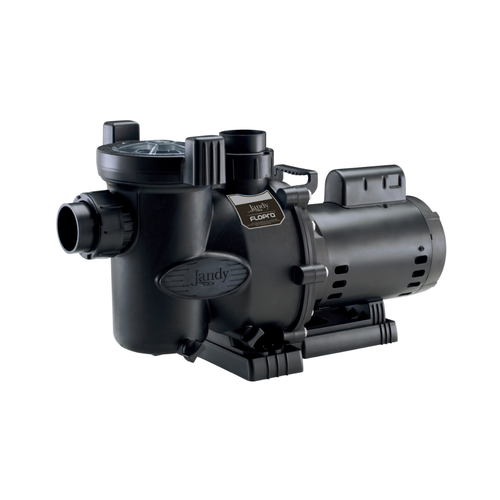
A single-speed pool pump runs at one speed, around 3,450 RPM, from the time the timer turns it on until it shuts off. That is far more flow than a pool needs for most of the day, and since pump power drops sharply as speed comes down, running full speed all day wastes a lot of electricity. Two-speed and multi-speed pumps fix that by letting the pump idle down for routine filtration and only run high when the job needs it: vacuuming, running a pressure-side cleaner, feeding a spa spillover, firing a heater, or getting through a heavy chemical treatment.

This category covers two-speed pumps (high and low on the same motor), multi-speed and variable-speed pumps with programmable speed settings, and the drive and controller packages that come with them from brands such as Pentair, Hayward, Jandy and Waterway. Pool service techs swapping out failed single-speed pumps buy here, as do builders specifying equipment pads that have to meet current efficiency rules and homeowners whose old pump finally seized. Electrical hookup and bonding should be done by a licensed electrician or a qualified pool professional.

How Two-Speed and Multi-Speed Pumps Work

All of these pumps share the same hydraulic layout as a standard pool pump: a strainer pot with a basket, a closed-face impeller in a volute, a mechanical shaft seal, and an electric motor. The difference is how fast the motor turns the impeller.

  • Two-speed pumps use a motor wound for two speeds, usually about 3,450 RPM on high and about 1,725 RPM on low. A separate timer, a two-speed time clock, or an automation relay picks the speed. Low speed moves roughly half the water for a fraction of the power.
  • Multi-speed pumps offer a set of preset speeds, often three or four, chosen from an onboard keypad or automation. They bridge the gap between two-speed and full variable-speed.
  • Variable-speed pumps use a permanent-magnet motor with an onboard drive that can be programmed in small RPM steps, typically from several hundred RPM up to about 3,450. They hold a schedule of speeds through the day and can talk to automation systems.

The reason this saves money is the pump affinity laws. Flow changes in direct proportion to speed, head changes with the square of speed, and power changes with roughly the cube of speed. Cut the speed in half and you get about half the flow at about one-eighth of the power. You run longer at low speed to turn the pool over, but the total energy used is much lower. That is why the U.S. Department of Energy's dedicated-purpose pool pump rules, in effect since July 2021, effectively push most new standard-size inground filtration pumps toward variable-speed designs.

Signs Your Pump Is Failing or Due for Replacement

  • Loud grinding or screeching from the motor. Worn bearings. On an older pump, a new motor or a whole new pump is the fix. Bearings rarely get better once they start.
  • Humming but not starting. On a single-speed or two-speed capacitor-start motor, a failed start capacitor or stuck centrifugal switch is common. On a variable-speed pump, check the drive display for a fault code before condemning anything.
  • Tripping the breaker or GFCI. Could be a shorted winding, water in the motor from a leaking seal, or a wiring fault. Have it checked by a qualified person before resetting it again and again.
  • Water dripping between the pump and motor. The shaft seal is leaking. Replace it quickly; water running down the shaft gets into the rear motor bearing and kills it.
  • Losing prime or air in the pot. Usually a suction-side leak at the lid O-ring, union, valve or plumbing, not the pump itself. Fix the leak before replacing the pump.
  • Drive faults on a variable-speed pump. Overheat, overcurrent or communication errors can point to a failing drive, poor ventilation, voltage problems or a blocked impeller. Many drives can be replaced separately from the motor and wet end.

How to Choose the Right Two-Speed or Multi-Speed Pump

Start with the hydraulic job, then the electrical supply, then fit. Here is the checklist a supply counter would run through.

  1. Pool volume and turnover. Calculate gallons, then decide how many hours you want for one full turnover. That gives a target flow in gallons per minute. A 20,000-gallon pool turned over in 8 hours needs about 42 GPM average; over 12 hours, about 28 GPM.
  2. Total dynamic head. Pipe size, run length, fittings, filter, heater and any in-floor cleaning all add resistance. Most residential systems land somewhere in the 40 to 60 feet of head range, but measure or estimate it rather than guessing. Pump curves on each product page show flow versus head.
  3. Highest-demand task. Size for what the pool needs at its hardest: spa jets, waterfalls, a solar array on the roof, or a suction-side cleaner. The pump only runs high when it has to.
  4. Horsepower and service factor. Compare total horsepower (horsepower times service factor), not just the nameplate HP. A 1.5 HP pump with a 1.65 SF is not the same as one with a 1.0 SF.
  5. Voltage. Many pumps are dual-voltage 115/230 V, but larger variable-speed pumps are often 230 V only. Match the existing circuit or plan electrical work.
  6. Plumbing size and fit. Check port size (1.5, 2 or 2.5 inch), union type, and the center height and footprint compared to the old pump. Adapters, unions and base risers solve most fit problems.
  7. Controls. Decide whether the pump will run on its own keypad schedule, a two-speed time clock, relays, or a brand automation system. Communication between brands is limited, so check compatibility.
  8. Inground vs above-ground. Above-ground pumps are usually not self-priming against a long lift and are built for pools where the pump sits below water level.
Pump TypeSpeed ControlTypical UseKey Tradeoff
Single-speedOne speed, about 3,450 RPMLegacy installs, some small replacement usesLowest upfront cost, highest operating cost, limited by DOE rules for many new sizes
Two-speedHigh (about 3,450) and low (about 1,725)Budget efficiency upgrade, simple systemsEasy to control with a two-speed timer, fewer speed choices
Multi-speedSeveral preset speedsPools with a few distinct tasksMore flexibility than two-speed, less fine tuning than variable-speed
Variable-speedProgrammable RPM in small stepsMost new inground pools and equipment padsHighest upfront cost, lowest operating cost, drive electronics to protect

Installation and Safety Tips

  • Use a licensed electrician. Pool pump circuits fall under NEC Article 680. They need GFCI protection, correct wire size and a proper disconnect, and the motor must be connected to the equipotential bonding grid with a solid copper bonding conductor (8 AWG minimum). Never skip the bond lug.
  • Set the voltage before power-up. On dual-voltage motors, confirm the selector or wiring matches the supply. Running a 115 V setup on 230 V will destroy it.
  • Plumb the suction side generously. Keep straight pipe ahead of the pump inlet where possible and avoid undersized suction lines. Cavitation shows up as noise, vibration and poor flow.
  • Never run dry. Fill the strainer pot with water before startup. Even short dry runs can crack the seal faces.
  • Use thread sealant made for plastic. Teflon tape or a PVC-compatible sealant only. Pipe dope that isn't rated for plastic can crack pump ports.
  • Program the low speed realistically. Set the filtration speed high enough to keep skimmers working, chlorinators and heaters above their minimum flow, and the water turning over. Many heaters need a flow switch or pressure switch satisfied before they fire.
  • Give the drive air. Variable-speed drives need ventilation and shade where possible. Don't box them in tight enclosures.
  • Protect the suction outlets. More flow capacity means more suction. Make sure drain covers are VGB-compliant and in date, and that the system has proper anti-entrapment protection.

Shopping This Category at HVAC365

Every pump in this category is brand-new equipment with the full manufacturer warranty. Product pages list horsepower, service factor, voltage, port size and RPM range so you can compare like for like, and most items ship in 1-2 business days. If you are not sure which size or model fits your pad, send HVAC365 the old pump's nameplate information and pool details and we will help you match it.

Frequently Asked Questions

Is a two-speed pump allowed under the 2021 DOE rules?

It depends on the pump's size and class. The DOE dedicated-purpose pool pump standards set minimum efficiency levels by pump category and hydraulic horsepower. Most standard-size inground filtration pumps now need a variable-speed design to comply, while some smaller pumps can still meet the rule as two-speed or single-speed. Check that the specific model is listed as compliant for its intended use.

How much will I save going from single-speed to variable-speed?

It varies with local electric rates, run hours, plumbing and how low you set the filtration speed. Because power drops roughly with the cube of speed, savings can be large when the pump spends most of its day at low RPM. Use the manufacturer's energy calculator with your own numbers rather than relying on a general figure.

Can I run my heater and cleaner on low speed?

Not always. Heaters need a minimum flow rate, and pressure-side and suction-side cleaners need enough flow and vacuum to move. Program a higher speed during heating and cleaner cycles, and use low speed for plain filtration.

Will a new variable-speed pump work with my existing timer?

Usually, but not ideally. You can often power it through a mechanical timer and let the onboard schedule run while powered, or bypass the timer and let the pump keep time. Check the manual, since some pumps need constant power to hold their program and clock.

Do I need the same horsepower as my old pump?

Not necessarily. Many old pumps were oversized. Match the flow and head your system actually needs. With variable-speed, slightly larger capacity is fine because you set the speed to what the pool needs.

Compare

Fast Shipping

Easy Returns

Warranty Coverage

Financing Available