null
Spa Air Blowers

Spa Air Blowers

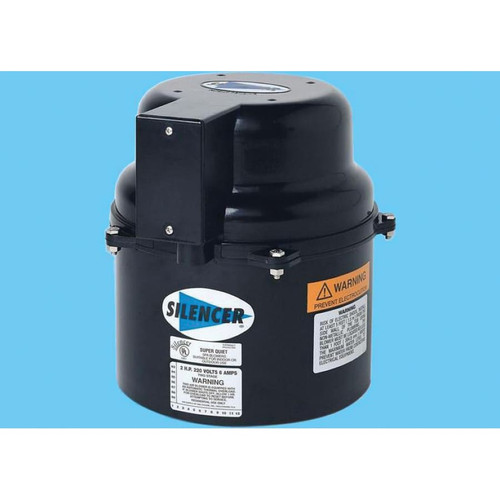
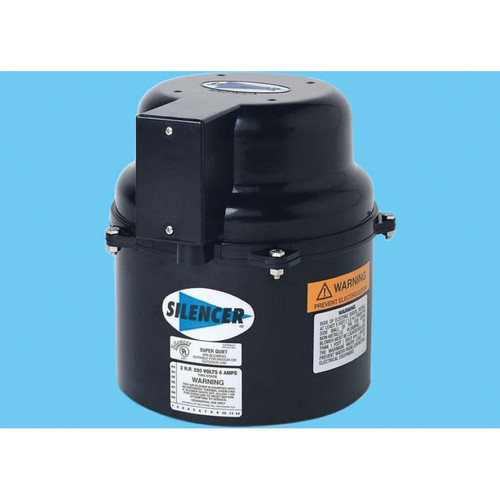
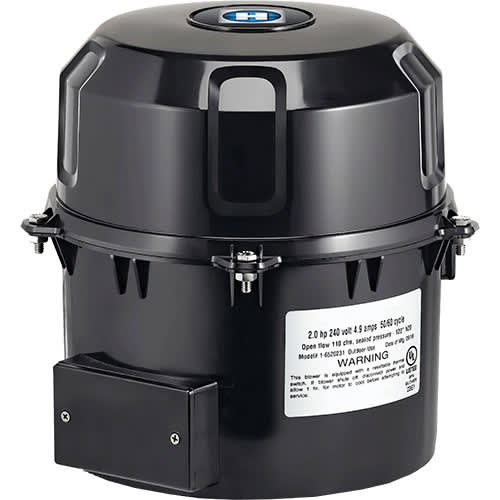
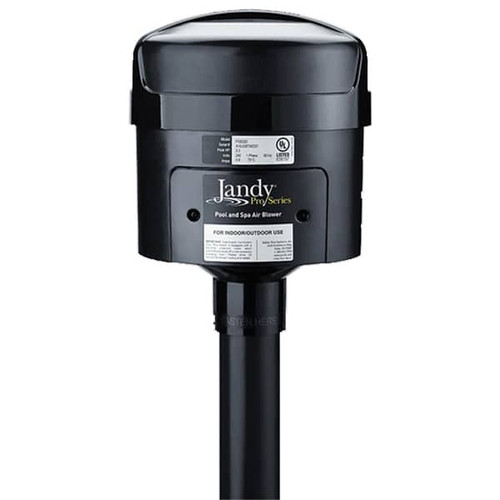
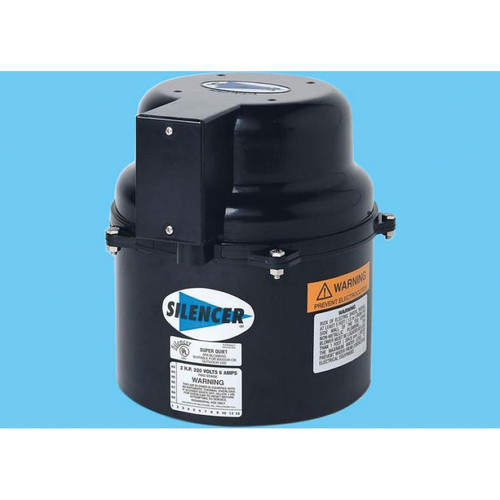
A spa air blower pushes air into the spa through air channels, floor injectors or bench fittings, creating the rolling bubble effect many owners love. It is a simple machine, essentially a motor driving a high-speed fan, but it lives in a hostile spot: connected by an air line to a body of hot water. If water ever backs up into the blower, the motor is usually done. That is why the installation details, such as the check valve and the Hartford loop, matter as much as the blower itself.

This category covers spa air blowers for in-ground spas and portable hot tubs, in a range of horsepower ratings and in 120 V and 240 V models, along with check valves and related air system parts from manufacturers such as Waterway and others. Pool builders buy blowers for in-ground spa packages. Service techs replace failed blowers on portable spas and attached spas. Owners shop here with the label from the old unit to find a match.

How a Spa Air Blower Works

  • Motor and fan. A universal-style or similar high-speed motor spins a fan that pressurizes air and sends it through the discharge port into the air line.
  • Air line. Air runs through PVC pipe to an air manifold or channel in the spa, then out through small injectors in the floor or seats. Because the line connects to the water, the blower must overcome the water's depth before air flows.
  • Heated vs unheated. Some blowers are designed to warm the air slightly using motor heat or a small heater element, which reduces the cooling effect blowers can have on spa water. Unheated blowers are simpler and common on in-ground spas.
  • Thermal protection. Most blowers include an internal thermal protector that shuts the motor off if it overheats, then resets when it cools. Repeated tripping is a warning sign, not something to ignore.

Check Valves and the Hartford Loop

These are the two features that keep water out of the blower motor.

  • Check valve. A one-way valve in the air line, usually near the blower, that lets air flow toward the spa but blocks water from flowing back. Check valves wear and stick, so inspect and replace them during blower service.
  • Hartford loop. A loop in the air line that rises above the spa's water level before turning down toward the spa. Even if the check valve fails, water cannot climb above the top of the loop. Manufacturers typically specify that the top of the loop sit a set distance above the water line; follow the blower manufacturer's instructions for the exact height.
  • Blower placement. When possible, mount the blower above the spa's water level. If the blower must sit below the water line, the Hartford loop and check valve are essential.

Signs a Blower Is Failing

  • Blower runs but produces weak or no bubbles, from a blocked air line, a stuck check valve or injectors clogged with scale.
  • Blower trips the GFCI or breaker when started, which often means water has reached the motor.
  • Loud whine or grinding noise, a sign of worn bearings or brushes.
  • Blower shuts off after running a short time, then restarts, because the thermal protector is tripping. Check for restricted airflow, low voltage or a failing motor.
  • Burning smell or visible damage on the housing or cord. Shut it down and have it inspected.
  • Water dripping from the blower or rust inside the intake, a sure sign of backflow.

How to Choose the Right Blower

  1. Match the horsepower. Blowers are offered in several horsepower ratings. Too small and the air may not overcome the water depth; too large and it may overpower the spa or exceed the circuit. Match the original unless the system was undersized.
  2. Match the voltage. 120 V or 240 V, matching the existing circuit or control pack output.
  3. Check the amp draw. On portable spas, the control pack and its relays have amp limits for the blower output.
  4. Heated or unheated. Portable spas often use heated blowers to reduce heat loss. For in-ground spas, unheated blowers are common.
  5. Check the connection. Note the discharge size and whether the blower plugs into the control pack with a specific cord or is hard-wired.
  6. Cross-reference the old model number from the label for the most reliable fit.
Spec What to Look For Why It Matters
Horsepower Match the existing blower Enough pressure to overcome water depth without overpowering
Voltage 120 V or 240 V Must match the circuit or control pack
Amp draw Within control pack and circuit limits Prevents nuisance trips and relay damage
Heated or unheated Heated common on portable spas Reduces cooling of spa water
Connection Discharge size, cord and plug type Direct fit without modification
Backflow protection Check valve and Hartford loop Keeps water out of the motor

Installation and Safety Tips

  • Turn off power at the breaker before working on a blower or its connections.
  • Use a licensed electrician for new blower circuits and any line voltage wiring. NEC Article 680 requires GFCI protection and bonding for spa equipment.
  • Install the Hartford loop and check valve as specified by the manufacturer. Do not skip them to save time or space.
  • Mount the blower in a dry, ventilated spot, ideally above the water level, with clear airflow to the intake.
  • Glue air lines properly. Use PVC primer and cement, and support the line so it does not stress the blower discharge.
  • Do not run a blower continuously unless it is rated for continuous duty. Many are designed for intermittent use.
  • Keep the intake clear of leaves, insects and debris, which can overheat the motor.

Shopping This Category at HVAC365

Every spa air blower at HVAC365 is brand-new with the full manufacturer warranty. Product pages list horsepower, voltage, amps, heated or unheated design and connection type. In-stock items ship in 1-2 business days. If you are replacing a blower on an older spa and are not sure which model matches, send us the label photo or specs and we will help you choose.

Frequently Asked Questions

Why do I need a Hartford loop?

A Hartford loop raises the air line above the spa's water level before it drops to the spa. If the check valve fails, water still cannot rise past the loop and reach the blower motor. It is the simplest, most reliable backflow protection.

Can a blower cool my spa water?

Yes. Blowing outside air into hot water carries heat away, especially on cool evenings. Heated blowers reduce the effect. Running the blower for shorter periods also helps.

Why does my blower keep shutting off?

The thermal protector is likely tripping from overheating. Check for a blocked intake or air line, a stuck check valve, low voltage or a worn motor.

Can I install a bigger blower for more bubbles?

Possibly, but the circuit, control pack and air plumbing must support it, and the spa may not benefit if the injectors limit flow. Consult a qualified technician before upsizing.

My blower got water in it. Can it be saved?

Sometimes a blower that briefly took on water and dried out will run, but internal corrosion often follows. Replacement is usually the safer choice, along with a new check valve and a proper Hartford loop.

How do I clear clogged air injectors?

Scale and debris build up in the small injector holes, especially in hard water areas. With the blower off, clean visible openings and treat the spa with a descaler or line cleaner as directed by the product label, then run the blower to flush the channels. Keeping calcium hardness and pH in range prevents most buildup. If air still comes out of only a few injectors, the air manifold or channel may be blocked or cracked and should be inspected by a spa technician.

Is a blower the same as an ozonator air injection?

No. An ozonator injects ozone-rich air through a venturi or small injector for sanitizing. A blower moves a large volume of air for bubble effects. They use different fittings and should not be combined in the same air line unless the spa manufacturer designed it that way.

Compare
Show: 12 24 48

Fast Shipping

Easy Returns

Warranty Coverage

Financing Available