null
Spa Air Buttons & Switches

Spa Air Buttons & Switches

Spa air buttons and air switches solve a basic problem: people sitting in water need a way to turn on the jets, blower or lights, and no one wants electricity at their fingertips in a spa. A pneumatic air button contains no wiring at all. Pressing it pushes a puff of air through thin tubing to an air switch at the equipment pad or inside the equipment bay, and that switch handles the line voltage. When a button stops working, the cause is almost always one of three things: the button, the tubing or the switch.

This category covers spa-side pneumatic air buttons, air switches in latching and momentary styles, air tubing and connectors, and related parts from Tecmark-style, Presair-style, Herga-style and other common designs. Pool and spa service techs buy these to restore spa-side control. Builders install them at in-ground spas. Owners shop here when a button at the spa stops doing anything.

How Air Buttons and Air Switches Work

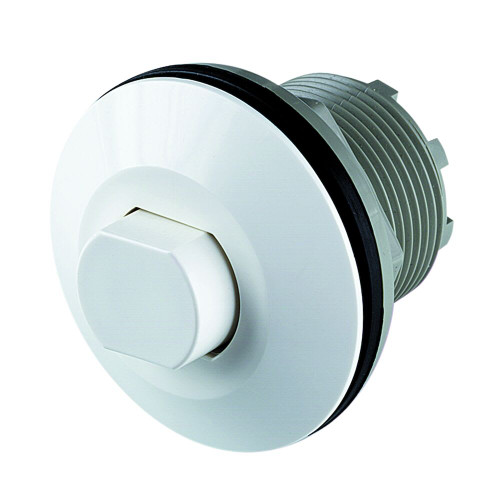
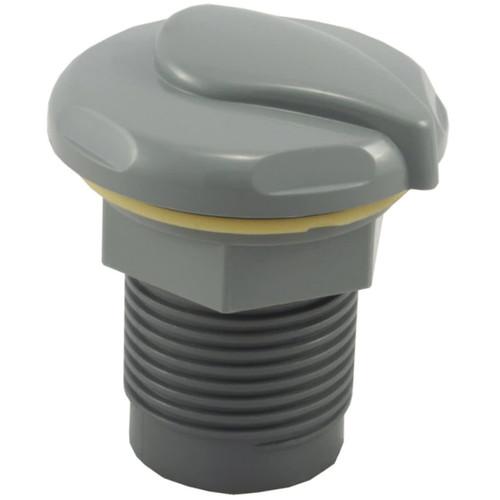
  • Air button. A sealed flexible bellows behind a cap set into the spa coping, deck or spa shell. Pressing it compresses the bellows and pushes air into the tubing.
  • Air tubing. Small-diameter flexible tubing, commonly about 1/8 inch inside diameter, carries the air pulse from the button to the switch. Runs can be quite long, but leaks, kinks and cracks are the most common failure points.
  • Air switch. Receives the air pulse, which moves a diaphragm that operates electrical contacts. The switch is mounted away from the water.
  • Latching switches toggle state each time the button is pressed: press once for on, again for off. They are used when the air switch directly controls a load, such as a booster pump or blower.
  • Momentary switches close only while the button is pressed. They are used as signal inputs to automation or portable spa control packs, where the control logic decides what to do with each press.
  • Multi-function switches. Some air switches cycle through multiple outputs, such as off, low, high, with successive presses.

Signs a Button or Switch Is Failing

  • Button does nothing. Check the tubing first. A split, kinked, disconnected or water-filled tube stops the air pulse.
  • Button works only with hard repeated presses, which can mean a tubing leak or a worn bellows.
  • Cracked or faded button cap, sticking or a loose button in its housing.
  • Switch clicks but the load does not run, which can be burned switch contacts, a wiring fault or a failed load.
  • Equipment turns on and off by itself, often from a latching switch with worn internals or temperature changes affecting the air in a leaky tube.
  • Switch hums or is hot, a sign of overloaded or failing contacts. Turn off power and replace it.

How to Choose the Right Replacement

  1. Determine latching or momentary. Match the original switch type. Swapping a momentary switch in place of a latching switch, or the reverse, will change how the equipment responds.
  2. Check the electrical rating. Air switches are rated in amps and sometimes horsepower. The switch must be rated for the load it directly controls, or for the control circuit if it is a signal input.
  3. Match voltage and poles. Single-pole for 120 V loads, double-pole for 240 V loads where both legs should open, as specified by the equipment and control manufacturer.
  4. Measure the button. Note the cap diameter, the cutout size in the spa or coping and the mounting style, such as threaded, snap-in or flush.
  5. Match the tubing size to the button and switch barbs, and order enough to replace the full run if the old tubing is brittle.
  6. Cross-reference part numbers printed on the switch body or listed in the control pack manual.
Component Common Use What to Confirm
Latching air switch Directly switching a booster pump, blower or light Amp and HP rating, voltage, poles
Momentary air switch Signal input to automation or a spa control pack Compatibility with the control input
Multi-function air switch Cycling through settings such as low and high speed Number of outputs, load rating
Air button Spa-side control at coping, deck or shell Cap size, cutout size, mounting style
Air tubing Connecting the button to the switch Inside diameter, length, UV and heat resistance

Troubleshooting the Air Path

Before replacing parts, test the air system in order. Disconnect the tubing at the switch and press the button while holding the tube end near your ear or against your fingertip; you should feel a sharp pulse of air. If not, the leak or blockage is in the tubing or button. Water in the tube is another common culprit, especially on runs that dip below the water line, so blow the tube clear and look for where water is getting in. If the air pulse is strong, reconnect it and listen for the switch to click. No click points to the switch. A click with no equipment response points to wiring or the load itself, which a qualified tech should diagnose.

Installation and Safety Tips

  • Turn off power at the breaker before working on any air switch. The switch side carries line voltage.
  • Use a licensed electrician for any line voltage wiring, new circuits or changes to how loads are switched. NEC Article 680 governs equipment near pools and spas.
  • Route tubing carefully. Avoid sharp bends, protect it from sun and sharp edges and keep runs as direct as practical. Secure it to the barbs with the specified method.
  • Keep tubing above water level where possible to reduce the chance of water entering the line.
  • Seal the button housing properly to prevent water from getting behind the spa shell or into the deck.
  • Match the switch to the load and never exceed its rating. Overloaded air switches are a common source of burned contacts.

Shopping This Category at HVAC365

Air buttons, air switches and tubing at HVAC365 are brand-new with the full manufacturer warranty. Product pages list switch type, electrical ratings, button dimensions and tubing size. In-stock items ship in 1-2 business days. If you are not sure whether your spa uses a latching or momentary switch, send us the old switch's markings or the control pack model and we will help you match it.

Frequently Asked Questions

Are air buttons safe to use in a spa?

Yes. The button has no electrical connection. It only moves air through tubing to a switch located away from the water, which is the reason pneumatic controls are used at spas.

What is the difference between latching and momentary air switches?

A latching switch toggles on and off with each press and holds its state. A momentary switch is closed only while the button is pressed and is used as a signal input to a controller that decides what to do.

Why does my air button work sometimes and not others?

A small leak in the tubing or a weak bellows is the usual cause. Temperature changes and water in the line can also make response inconsistent. Test and replace the tubing first.

How long can the air tubing run be?

Air buttons can work over fairly long runs, but longer tubing weakens the pulse. Follow the switch manufacturer's maximum length recommendation and use the correct tubing size.

Can I replace the button without replacing the switch?

Yes. Buttons and switches are separate components. Match the button's size and mounting style and confirm it works with the switch's air connection.

How often should air tubing be replaced?

There is no fixed schedule, but tubing exposed to heat, UV and chemicals becomes brittle over the years. Any time you replace a button or switch, inspect the tubing along its length and replace it if it is hard, cracked or discolored. Full replacement is cheap insurance against a repeat call.

Can an air switch control a 240 V pump directly?

Only if it is rated for that voltage and motor load and wired to switch both legs as required. Larger loads are often switched through a relay or contactor instead. Have a licensed electrician confirm the setup.

Compare

Fast Shipping

Easy Returns

Warranty Coverage

Financing Available