





Description
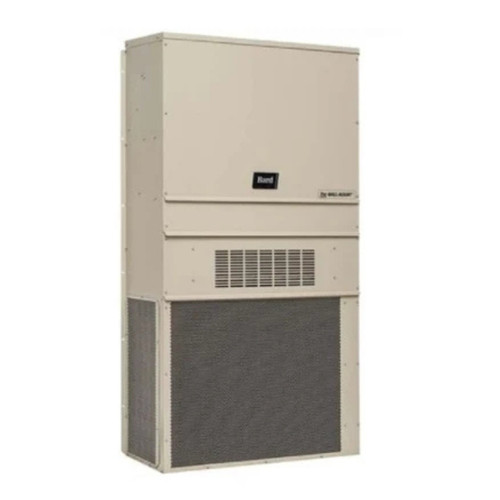
The Bard Technicoat / Phenolic Evaporator Coil and Condenser Coil Coating is a corrosion-resistant protective coating option designed for compatible Bard W42AF and W48AF Series wall-mounted packaged units. This coating is applied to the evaporator coil and condenser coil surfaces to help protect critical HVAC components from harsh environmental exposure and corrosion.
HVAC equipment installed in coastal locations, high-humidity areas, industrial facilities, and environments with airborne contaminants can experience increased corrosion risks over time. Bard Technicoat uses an epoxy-modified phenolic dip coating process designed to provide complete coil coverage while helping maintain effective heat transfer performance.
Designed specifically for Bard W42AF and W48AF Series wall-mounted package units, this coating option provides additional protection for both evaporator and condenser coils. It is an ideal solution for HVAC contractors, facility managers, and maintenance professionals looking to improve equipment durability in demanding operating environments. Bard W42AF and W48AF configurations offer Technicoat options for evaporator coils, condenser coils, or both coil assemblies depending on the selected configuration.
The Technicoat process includes multiple preparation and coating stages, including cleaning, chemical etch primer, epoxy-modified phenolic coating, and phenolic sealer. This multi-step process creates a protective barrier over coil surfaces to help improve resistance against moisture, salt air, and corrosive elements that may impact HVAC equipment over time.
This coating option is suitable for applications where additional coil protection is needed beyond standard HVAC finishes. Proper model verification and professional installation are recommended to ensure compatibility with the specific Bard W42AF or W48AF Series wall-mounted packaged unit.
Key Features
- Phenolic Corrosion-Resistant Coating – Provides a protective epoxy-modified phenolic coating layer designed to help protect HVAC coil surfaces from environmental exposure.
- Designed for Bard W42AF and W48AF Series Units – Compatible with specified Bard wall-mounted packaged HVAC equipment.
- Evaporator and Condenser Coil Protection – Helps protect both major coil assemblies from corrosion-related deterioration.
- Complete Coil Coverage Process – Uses a dip coating method designed to provide consistent coverage across coil surfaces.
- Suitable for Challenging Environments – Ideal for applications exposed to humidity, salt air, chemicals, and other corrosive conditions.
Compatibility / Installation Notes
This Bard Technicoat / Phenolic Coil Coating is designed for compatible Bard W42AF and W48AF Series wall-mounted package units. Available configurations include Technicoat evaporator coil, condenser coil, or combined evaporator and condenser coil protection options.
Always confirm your exact Bard model number and required coating option before ordering. Application should follow Bard specifications and be completed by qualified HVAC professionals.
Frequently Asked Questions
What is Bard Technicoat coating used for?
Bard Technicoat is a protective HVAC coil coating designed to help reduce corrosion exposure and improve coil durability.
Which Bard units are compatible with this coating?
This coating option is designed for compatible Bard W42AF and W48AF Series wall-mounted packaged units.
What components are coated?
This option provides protective coating for both the evaporator coil and condenser coil surfaces.
Why use a phenolic coating on HVAC coils?
A phenolic coating provides an additional protective barrier against environmental conditions that may contribute to corrosion.
Where is this coating most beneficial?
It is commonly used in environments where HVAC equipment may be exposed to moisture, salt air, industrial contaminants, or corrosive conditions.
Protect your compatible Bard W42AF and W48AF Series wall-mounted package units with the Technicoat / Phenolic Evaporator and Condenser Coil Coating, designed to help improve corrosion resistance and support long-term HVAC equipment reliability.