


Description
Softer-feeling water and steady sanitation are the reasons so many owners switch to salt, and the Hayward AquaRite S3 Omni AQRS325OMNI makes the switch simple. It is rated for pools up to about 25,000 gallons.
AquaRite S3 Omni adds Hayward Omni automation to the S3 salt system, so one panel and the OmniLogic app run chlorination, pumps, heaters, lights and valve actuators. Below we cover how it works, how to size it, how to install it and what maintenance looks like.
Quick Answer: What Is the Hayward AquaRite S3 Omni AQRS325OMNI?
The Hayward AquaRite S3 Omni AQRS325OMNI is a salt chlorine generator for pools up to about 25,000 gallons. It uses electrolysis in a titanium cell to convert dissolved salt into chlorine, which sanitizes the water and then reverts back to salt.
Hayward AquaRite S3 Omni AQRS325OMNI Specifications
| Brand | Hayward |
|---|---|
| Equipment Type | Salt Chlorine Generator |
| Model Number | AQRS325OMNI |
| Product Line | AquaRite S3 Omni |
| Pool Size (gal) | 25,000 |
| Cell Model | TCELLS325 |
| Voltage / Phase | 115/230V 1-Phase |
| Connectivity | Wi-Fi, OmniLogic app |
| Shipping Weight | 24.65 lb |
| Warranty | 3 years parts, 1 year labor |
Key Features of the Hayward AquaRite S3 Omni AQRS325OMNI
- Control pool, spa and backyard equipment from the OmniLogic app
- Optional pH and ORP sensing (HLSENSE)
- ColorLogic lighting control with OmniDirect mode
- Automatic pool/spa switching with compatible valve actuators
- Expandable for additional relays
- Works with home automation and voice-control platforms
- Auto-detects 115V or 230V input
How a Salt Chlorine Generator Works
A salt system has two main parts: a control center and an electrolytic cell plumbed into the return line. You add pool-grade salt to the water, and most systems run around 3,000 to 3,500 ppm, which is far less salty than the ocean. As water flows through the cell, low-voltage current passes across coated titanium plates and converts some of the salt into chlorine. That chlorine sanitizes the pool, then reverts to salt, so the salt is reused over and over.
The control center lets you set the output percentage, monitors salt level and water flow, and alerts you when the cell needs cleaning. Many models reverse polarity automatically to reduce scale buildup.
How to Size a Salt System
Salt systems are rated by maximum pool size, but that rating assumes ideal conditions. Hot climates, heavy bather loads, lots of sun, and a pump that runs fewer hours all increase chlorine demand. A common rule of thumb is to choose a system rated for at least 1.5 times your pool volume so it can run at a moderate output and the cell lasts longer.
Keep cyanuric acid (stabilizer) in the range recommended by the manufacturer, often around 60 to 80 ppm for salt pools, to protect chlorine from the sun.
Good, Better, Best: Where the Hayward AquaRite S3 Omni AQRS325OMNI Fits
At HVAC365 we organize every category into a simple Good, Better, Best framework so you can compare options without wading through jargon. Within our salt and mineral sanitizer lineup, this model sits in the Best tier: Advanced comfort with future-ready tech.
The Best tier delivers top efficiency, premium controls and the most advanced features in its category. It is designed for smart homes, high-end renovations, direct-to-consumer buyers who want the best experience, and government or commercial installs that demand long-term performance.
Not sure the Best tier is right for you? Compare it with the Good and Better options in the same category. Whatever tier you choose, the equipment is brand new and covered by the full manufacturer warranty, and our team is here to help you weigh features against budget.
Installation Tips
Install the cell in the return line after the filter, heater and any other equipment, so concentrated chlorine never passes through the heater. The control center mounts near the pad and connects to power or to your automation system. Bond the equipment according to code. Professional installation is recommended, especially when integrating with automation.
Before turning the system on, test and balance the water, then add salt slowly to reach the target level. Brush the salt to help it dissolve and let it circulate for 24 hours before starting chlorine production.
Maintenance
- Test free chlorine, pH and total alkalinity weekly, and salt and stabilizer monthly.
- Salt pools tend to drift toward higher pH; keep it in the recommended range to protect the cell and surfaces.
- Inspect the cell every few months. If you see scale, clean it with the manufacturer's recommended solution.
- Most cells last several years depending on run time, output and water balance; replacement cells are available when needed.
- Protect the cell from freezing in winter.
Salt Systems by Region
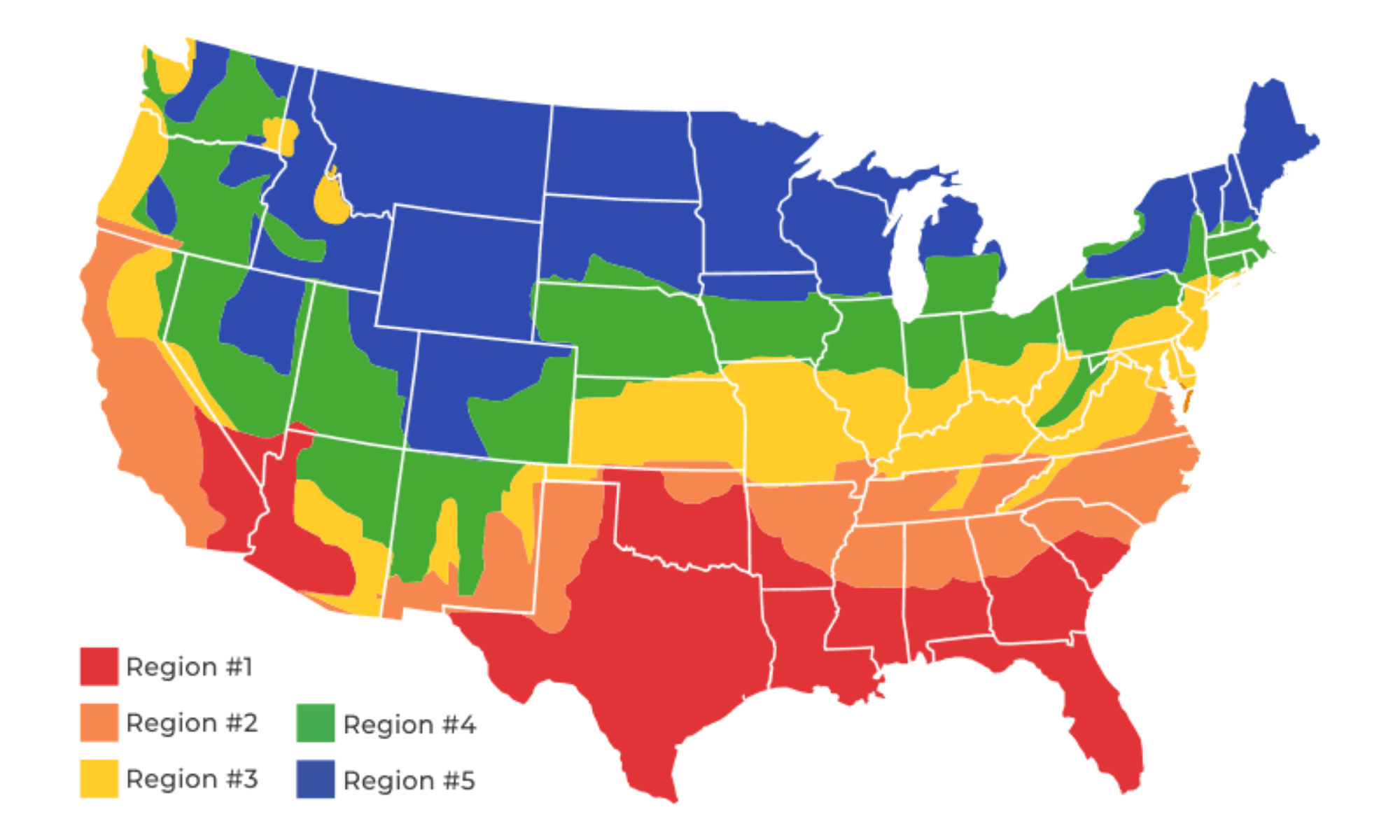
In the South and Sun Belt, warm water and intense sun drive up chlorine demand, so size generously and keep stabilizer in range. In hard-water areas such as the Southwest, scale builds faster on cell plates, so check the cell more often. In northern climates, most cells stop producing chlorine in cold water, so supplement with liquid chlorine during spring opening and winterize the cell when the pool closes.
What's Included and Compatibility
This listing is for the Hayward AquaRite S3 Omni AQRS325OMNI.
Cell / replacement cell: TCELLS325.
Manufacturer warranty: 3 years parts, 1 year labor.
Ideal for:
- In-ground pools up to 25,000 gal wanting app-based automation
- Pool/spa combos with valve actuators
- Upgrade path toward full Omni automation
Salt and Mineral Systems vs Traditional Chlorine
Traditional chlorine programs rely on tablets, liquid or granular chlorine that you buy, store and add regularly. Salt and mineral systems automate much of that work. A salt system makes chlorine on site, so you skip storing and handling chemicals, and the chlorine level stays more consistent day to day. Mineral systems reduce how much chlorine you need. Both still require regular testing and water balance, and both work best when the pump runs long enough each day to circulate the water through the system. Over a few seasons, the savings on chemicals often offset much of the up-front cost.
Salt systems also make life easier for property managers and service companies. With consistent chlorine output, fewer chemical deliveries and simple digital readouts, pools stay in range between visits, and many controllers integrate with automation for remote monitoring. For homeowners, the softer feel of the water and the freedom from weekly chlorine runs are the most common reasons for switching.
Built for Homeowners, Contractors and Property Managers
- Homeowners: use our sizing tools and the pool math on this page, then reach out with your pool size, location and existing equipment. We will help you confirm the right model before you order.
- Contractors and installers: order in two clicks, follow every shipment with live tracking, and reorder common parts from the HVAC365 Contractor Portal. We know the labor shortage is real, so we focus on getting the right part to the job the first time.
- Property managers: manage equipment for multiple properties from one dashboard and book a strategy call with our team to standardize models, plan replacements and control maintenance costs.
Frequently Asked Questions About the Hayward AquaRite S3 Omni AQRS325OMNI
What size pool is the Hayward AquaRite S3 Omni AQRS325OMNI for?
Up to about 25,000 gallons per the manufacturer. Many owners size up for hot climates or heavy use.
Does a salt pool taste salty?
Barely. Typical salt levels are around 3,000 to 3,500 ppm, roughly a tenth of ocean water, and many people cannot taste it.
Do I still need chlorine?
A salt system makes its own chlorine. You may still use liquid chlorine to shock after heavy use or at spring opening.
Will salt damage my equipment?
Properly maintained salt pools are compatible with most modern equipment. Keep water balanced and check that heaters, lights and natural stone are rated for salt.
How long does a salt cell last?
Often several years, depending on run hours, output setting and water chemistry.
What warranty does it have?
3 years parts, 1 year labor.