




Description
A heat pump is one of the most efficient ways to heat a pool, and the Hayward HeatPro MCHX HP21405T is built to make the most of it. It delivers about 140,000 BTU per hour of heating capacity with a COP of 5.7.
HeatPro MCHX heat pumps use a microchannel (MCHX) evaporator coil that is lighter, uses fewer braze joints and less refrigerant, with a corrosion-resistant coating and a patent-pending defrost algorithm for cool-weather capacity. In this guide we explain how it works, how to size it, what electrical service it needs and how to get the best performance in your climate.
Quick Answer: What Is the Hayward HeatPro MCHX HP21405T?
The Hayward HeatPro MCHX HP21405T is an electric heat pump pool heater rated at about 140,000 BTU/hr with a COP of 5.7. It uses a refrigerant cycle to move heat from the outdoor air into the pool water, delivering several units of heat for every unit of electricity it uses.
Hayward HeatPro MCHX HP21405T Specifications
| Brand | Hayward |
|---|---|
| Equipment Type | Heat Pump Pool Heater |
| Model Number | HP21405T |
| Product Line | HeatPro MCHX |
| Heating Capacity (BTU) | 140,000 |
| COP | 5.7 |
| Voltage / Phase | 230V 1-Phase |
| Amperage | 42.5 A MCA, 50 A max breaker |
| Unit Dimensions (W x D x H) | 30.5 in x 33.6 in x 44 in |
| Unit Weight | 233 lb |
| Shipping Weight | 250 lb |
| Warranty | 5 years parts, 2 years labor |
Key Features of the Hayward HeatPro MCHX HP21405T
- Microchannel (MCHX) coil - lighter, fewer braze joints, less refrigerant
- Corrosion-resistant coil coating
- Patent-pending defrost algorithm improves cool-weather heating
- Operates down to 40 F ambient
- Omni automation compatible via 2-wire relay
- Wiring entry on either side
- Square platform, heat only
How a Heat Pump Pool Heater Works
A heat pump works like an air conditioner in reverse. A fan draws outdoor air across an evaporator coil, where refrigerant absorbs heat from the air. A compressor raises the refrigerant's temperature, and a heat exchanger, usually titanium for corrosion resistance, transfers that heat to the pool water. The refrigerant then cycles back to collect more heat.
Efficiency is measured by the coefficient of performance (COP). A COP of 5 means the heater delivers five units of heat for every unit of electricity, so each kilowatt-hour can deliver roughly 5 x 3,412 BTU to the water. Heat pump ratings are commonly published at 80 F air, 80 percent humidity and 80 F water; output drops as the air gets cooler, and most units are designed to operate down to around 45 to 50 F.
How to Size a Pool or Spa Heater
Raising one gallon of water one degree Fahrenheit takes about 8.33 BTU. Multiply your gallons by 8.33 and by the temperature rise you want to find the total heat needed, then divide by the heater's output to estimate hours. Heat pumps heat more gradually than gas, so they are best at maintaining temperature. Size for your pool's surface area, your coolest swimming month and how warm you like the water. In cooler regions, choose a larger model or pair it with a cover.
At its rated 140,000 BTU/hr, running 24 hours, the approximate temperature rise before heat losses is:
| Pool size | Approximate rise |
|---|---|
| 10,000 gal | 40.3 F per day |
| 15,000 gal | 26.9 F per day |
| 20,000 gal | 20.2 F per day |
| 25,000 gal | 16.1 F per day |
| 30,000 gal | 13.4 F per day |
Real-world results depend on air temperature, humidity, wind and whether you use a cover. A cover can make a dramatic difference by reducing evaporation, the largest source of heat loss.
Good, Better, Best: Where the Hayward HeatPro MCHX HP21405T Fits
At HVAC365 we organize every category into a simple Good, Better, Best framework so you can compare options without wading through jargon. Within our heat pump pool heater lineup, this model sits in the Better tier: Enhanced comfort and smarter control.
The Better tier steps up efficiency and adds smarter control. It balances up-front cost with lower operating cost and more convenience, which is why property managers and owners who plan to keep their equipment for years often land here.
Not sure the Better tier is right for you? Compare it with the Good and Best options in the same category. Whatever tier you choose, the equipment is brand new and covered by the full manufacturer warranty, and our team is here to help you weigh features against budget.
Installation and Electrical Requirements
This heater requires a dedicated electrical circuit (230V 1-Phase, 42.5 A MCA, 50 A max breaker). A licensed electrician should size the wire and breaker and provide a service disconnect as required by code. The heater is plumbed after the filter and before any chlorinator, and it needs adequate water flow for the flow switch to engage.
Heat pumps need open airflow: leave the clearances shown in the manual on all sides and above the unit, avoid enclosing it under decks or in tight corners, and place it on a level pad that allows condensation to drain away. Condensation is normal and can look like a leak on humid days.
Professional installation is recommended.
Maintenance Tips
- Keep pool chemistry balanced to protect the heat exchanger and element.
- Keep the coil fins clean and clear of leaves, grass clippings and debris; rinse gently with a garden hose.
- Make sure the condensate can drain freely.
- Have a technician inspect electrical connections annually.
- In freezing climates, drain the heater and plumbing when the pool is closed for winter.
Best Climates for Heat Pump Heating
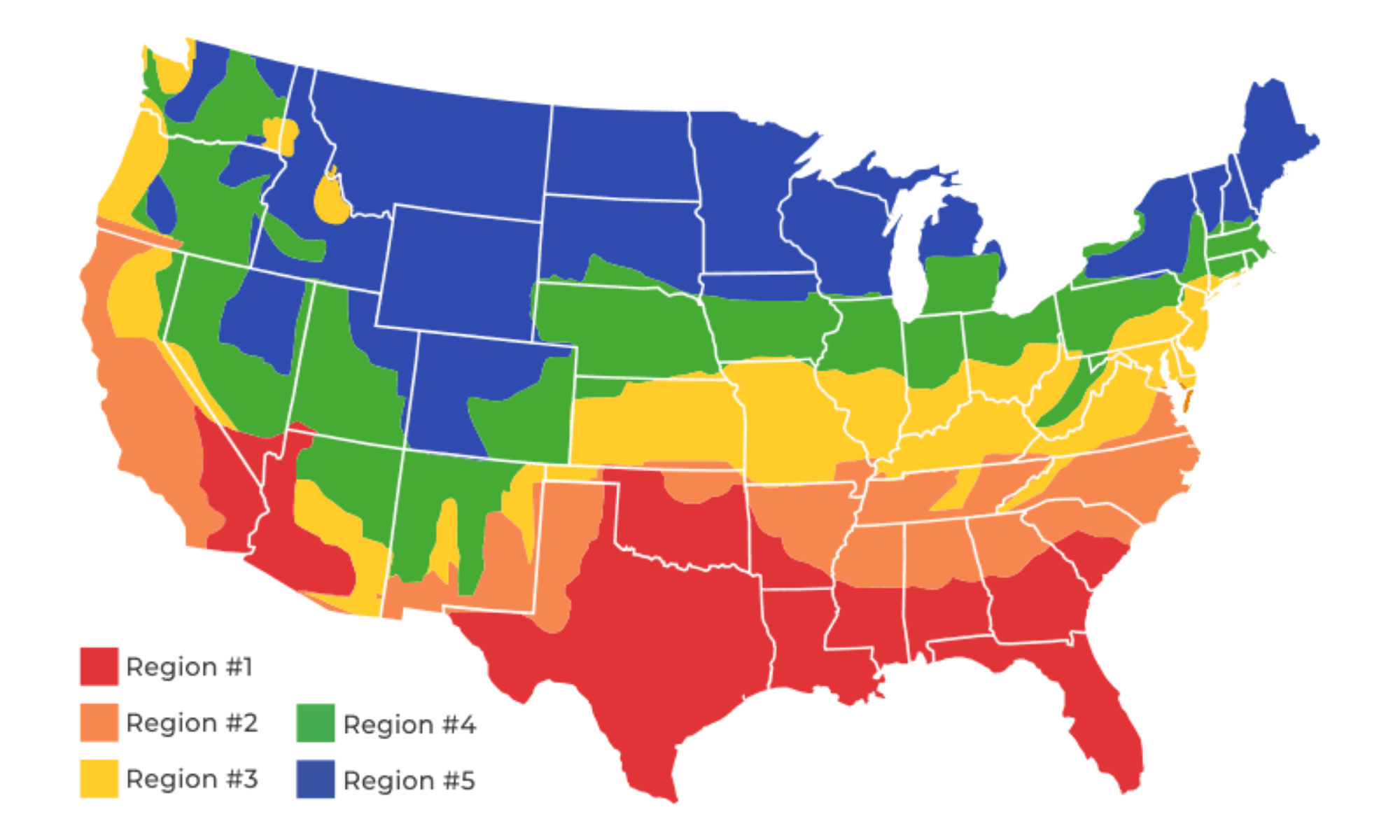
Heat pumps shine in the South and Sun Belt, including Florida, Texas, Arizona, the Gulf Coast and Southern California, where warm, humid air provides plenty of heat to harvest for most of the year. In the North, they work well for the core summer season, and many owners pair one with a gas heater for spring and fall or for a spa. Models with a cooling mode are popular in the hottest regions, where pool water can become uncomfortably warm in mid-summer.
What's Included and Compatibility
This listing is for the Hayward HeatPro MCHX HP21405T. Unions and automation accessories may be sold separately.
Manufacturer warranty: 5 years parts, 2 years labor.
Ideal for:
- In-ground pools up to roughly 30,000-35,000 gal in warm climates
- Florida/South residential pools
- Commercial and in-ground pool heating
Heat Pump vs Gas vs Electric Resistance Heat
| Heater type | Heat-up speed | Operating cost | Best for |
|---|---|---|---|
| Heat pump | Gradual | Low in warm weather | Season-long pool heating in mild and warm climates |
| Gas (natural or propane) | Fast | Higher, varies with fuel price | Spas, occasional heating, cold climates |
| Electric resistance | Steady, size-limited | Higher per BTU | Spas and small bodies of water |
Many owners combine heat sources: a heat pump to hold the pool temperature through the season and a gas heater for quick spa heat or cold snaps. Covers reduce heat loss no matter which heater you choose.
Built for Homeowners, Contractors and Property Managers
- Homeowners: use our sizing tools and the pool math on this page, then reach out with your pool size, location and existing equipment. We will help you confirm the right model before you order.
- Contractors and installers: order in two clicks, follow every shipment with live tracking, and reorder common parts from the HVAC365 Contractor Portal. We know the labor shortage is real, so we focus on getting the right part to the job the first time.
- Property managers: manage equipment for multiple properties from one dashboard and book a strategy call with our team to standardize models, plan replacements and control maintenance costs.
Frequently Asked Questions About the Hayward HeatPro MCHX HP21405T
How much will the Hayward HeatPro MCHX HP21405T raise my pool temperature?
At about 140,000 BTU/hr running all day, roughly 20.2 F per day for a 20,000-gallon pool before losses. A cover helps significantly.
Do heat pumps work in cold weather?
They work best above about 50 F. As the air cools, capacity and efficiency drop, and most units stop heating near their low-temperature limit.
Are heat pumps cheaper to run than gas?
In warm climates, usually yes, because they move heat rather than burning fuel. Your savings depend on local electricity and gas prices.
What electrical service does it need?
230V 1-Phase, 42.5 A MCA, 50 A max breaker. Have a licensed electrician install a dedicated circuit and disconnect.
Is water dripping from the unit normal?
Yes. Heat pumps produce condensation as they pull heat from humid air. It can be several gallons per hour on humid days.
What warranty does it have?
5 years parts, 2 years labor.