





Description
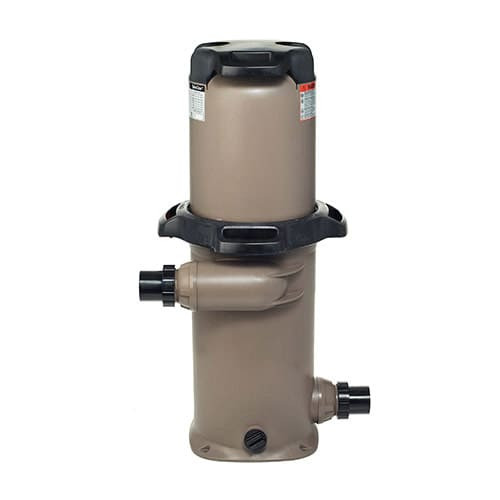
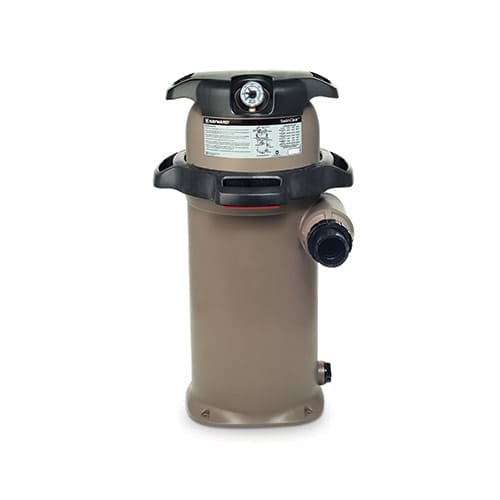
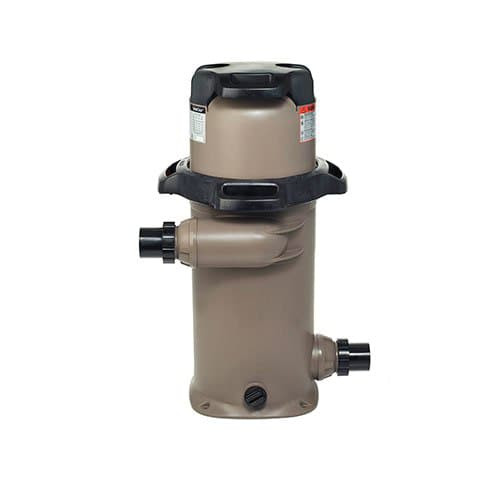
Crystal-clear water depends on good filtration, and the Hayward SwimClear C100S is built to deliver it. With 100 square feet of filter area and a maximum flow of 100 GPM, it can handle an 8-hour turnover of about 48,000 gallons.
SwimClear single-element cartridge filters use an Easy-Lok ring and 2 in x 2-1/2 in union connections; Hayward claims industry-lowest head loss, letting variable-speed pumps run slower to save energy. NSF certified. Below we explain how cartridge filtration works, how to size a filter to your pump and pool, and how to keep it clean.
Quick Answer: What Is the Hayward SwimClear C100S?
The Hayward SwimClear C100S is a cartridge pool filter with 100 sq ft of filter area, a 100 GPM maximum flow rate and an 8-hour turnover capacity of about 48,000 gallons. Cartridge filters trap particles of about 10 to 20 microns.
Hayward SwimClear C100S Specifications
| Brand | Hayward |
|---|---|
| Equipment Type | Cartridge Filter |
| Model Number | C100S |
| Product Line | SwimClear |
| Filter Type | Cartridge |
| Filter Area (sq ft) | 100 |
| Flow (GPM) | 100 |
| Turnover Capacity (gal) | 48,000 |
| Connection Size (in) | 2 |
| Unit Dimensions (W x D x H) | 18.25 in x 18.25 in x 30.5 in |
| Unit Weight | 33 lb |
| Shipping Weight | 33.5 lb |
| Pool Type | In-Ground |
| Warranty | 3 years parts, 1 year labor |
| Certifications | NSF |
Key Features of the Hayward SwimClear C100S
- Hayward-claimed industry-lowest head loss for lower pump energy use
- Easy-Lok ring design for fast access to the element
- 2 in x 2-1/2 in union connections for simple installation and service
- Ergonomic handles keep hands off fiberglass-based surfaces
- Recessed pressure gauge and manual air relief let the head rest upside down without contaminating the seal
- Glass-reinforced copolymer tank; reinforced polyester element
- NSF certified
How Pool Filters Work: Cartridge vs Sand vs D.E.
Every pool filter has the same job: catch dirt, debris and fine particles from the water the pump sends through it. The difference is the filter media.
- Cartridge filters use pleated polyester cartridges. They filter to about 10 to 20 microns, run at low pressure, and are cleaned by removing and hosing off the cartridges, so there is no backwashing and less water waste.
- Sand filters push water down through a bed of filter sand. They filter to about 20 to 40 microns and are cleaned by backwashing, which reverses flow to flush debris out to waste. They are simple and durable.
- D.E. filters use grids coated with diatomaceous earth powder and deliver the finest filtration, down to about 3 to 5 microns. They are backwashed and recharged with fresh D.E.
This model is a cartridge filter.
How to Size a Pool Filter
A filter must handle the full flow of your pump and still turn over the pool's volume in the target time, usually 8 hours for residential pools. Start with the pump: the filter's maximum flow rating should be equal to or greater than the pump's actual flow. Then check turnover: required GPM = pool gallons / 480 for an 8-hour turnover.
| Pool volume | Flow for 8-hour turnover | Within this filter's max flow? |
|---|---|---|
| 15,000 gal | 31 GPM | Yes |
| 20,000 gal | 42 GPM | Yes |
| 30,000 gal | 62 GPM | Yes |
| 40,000 gal | 83 GPM | Yes |
| 50,000 gal | 104 GPM | No |
Many pool professionals size filters with extra capacity, especially cartridge filters. More filter area means lower pressure, cleaner water and longer time between cleanings, and it works hand in hand with variable-speed pumps that run at lower flow for longer periods.
Connections: 2 in.Good, Better, Best: Where the Hayward SwimClear C100S Fits
At HVAC365 we organize every category into a simple Good, Better, Best framework so you can compare options without wading through jargon. Within our cartridge filter lineup, this model sits in the Good tier: Essential features at a great value.
The Good tier is built around affordability and simplicity. You get dependable, proven equipment without paying for extras you may never use. It is the smart pick for first-time buyers, straightforward replacements, and bulk B2B or government purchases where consistent, budget-friendly specs matter most.
Not sure the Good tier is right for you? Compare it with the Better and Best options in the same category. Whatever tier you choose, the equipment is brand new and covered by the full manufacturer warranty, and our team is here to help you weigh features against budget.
Installation Tips
Install the filter on a level pad after the pump and before the heater and chlorinator. Leave room above and around it to remove the lid, cartridges or grids, and to read the pressure gauge. Use the correct pipe size, support the plumbing so it does not stress the filter ports, and follow the manufacturer's pressure rating. Professional installation by a pool contractor is recommended, especially for new pads or when changing filter type.
Maintenance and Cleaning
- Write down the pressure gauge reading when the filter is clean. When pressure rises about 8 to 10 psi above that, it is time to clean.
- Remove cartridges and rinse them top to bottom with a garden hose. Soak them in a cartridge cleaner periodically to remove oils and scale.
- Replace cartridges when the pleats tear, flatten or no longer clean up, often every 1 to 3 years depending on use.
- Inspect the lid O-ring and air relief valve, and lubricate O-rings with a silicone-based lubricant.
- Drain the filter before winter in freezing climates.
Filtration by Region
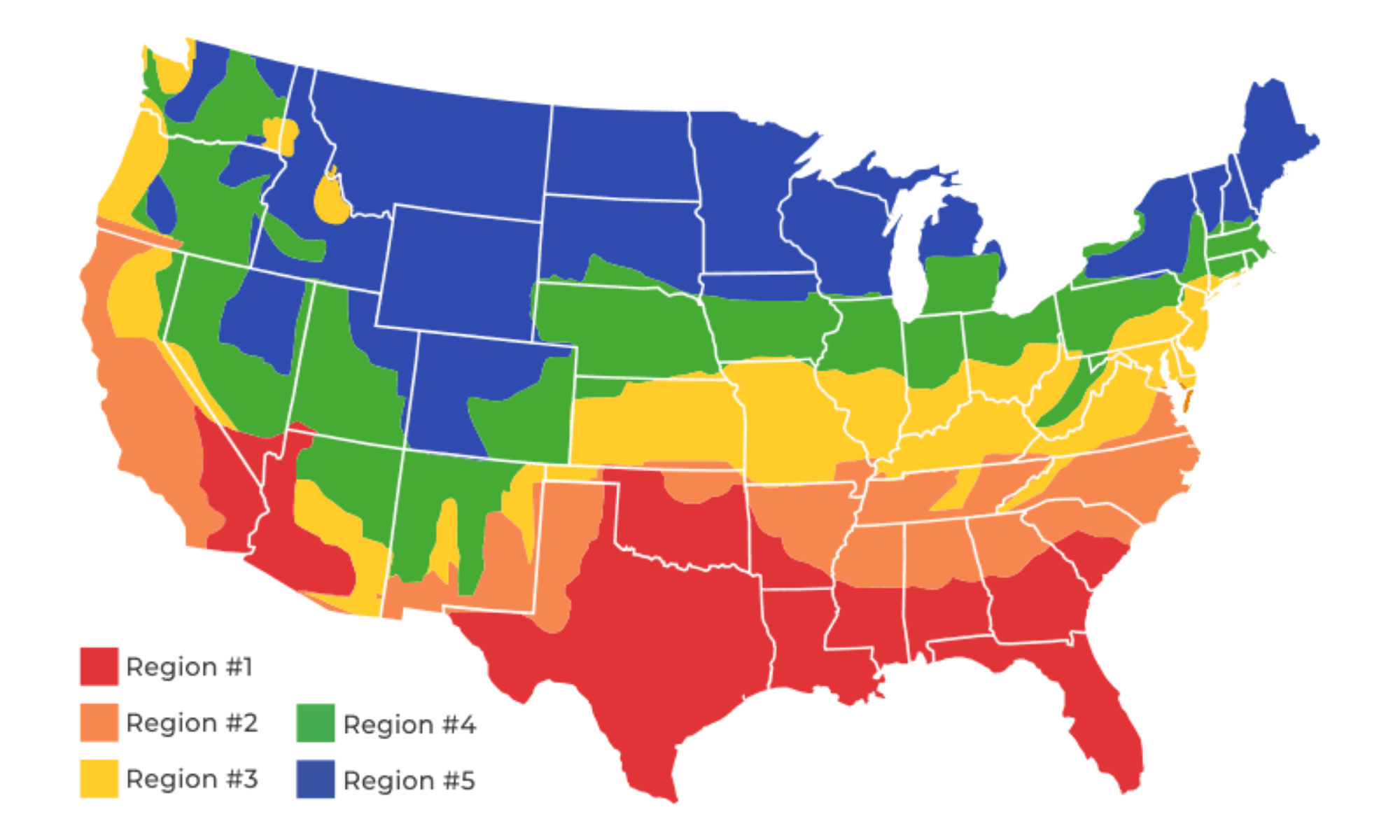
In the South and Southwest, pools run year-round and face heavy pollen, dust, leaves and algae pressure in warm water, so larger filters and regular cleaning keep water clear. In drought-prone areas such as California, Arizona and Texas, cartridge filters are popular because they do not require backwashing, saving water. In northern climates, filters work hardest at spring opening; choosing a filter with ample capacity makes that cleanup much easier.
What's Included and Compatibility
- Filter tank with one cartridge element
- Pressure gauge
- 2 in x 2-1/2 in union connections
Manufacturer warranty: 3 years parts, 1 year labor.
Ideal for:
- In-ground residential pools up to about 48,000 gal (8-hour turnover)
- Energy-focused pads paired with variable-speed pumps
- Upgrade from Star-Clear Plus
Built for Homeowners, Contractors and Property Managers
- Homeowners: use our sizing tools and the pool math on this page, then reach out with your pool size, location and existing equipment. We will help you confirm the right model before you order.
- Contractors and installers: order in two clicks, follow every shipment with live tracking, and reorder common parts from the HVAC365 Contractor Portal. We know the labor shortage is real, so we focus on getting the right part to the job the first time.
- Property managers: manage equipment for multiple properties from one dashboard and book a strategy call with our team to standardize models, plan replacements and control maintenance costs.
Frequently Asked Questions About the Hayward SwimClear C100S
What size pool can the Hayward SwimClear C100S handle?
About 48,000 gallons with an 8-hour turnover at its 100 GPM maximum flow. Many owners choose extra capacity for longer cleaning intervals.
Which filter type is best?
D.E. filters trap the smallest particles, cartridge filters save water and are easy to clean, and sand filters are simple and durable. The best choice depends on your priorities and local water rules.
How often should I clean my filter?
When pressure rises about 8 to 10 psi above the clean reading. For many pools, that is every few weeks to a few months.
Will this filter work with a variable-speed pump?
Yes, as long as the pump's maximum flow does not exceed the filter's rating. Lower flow rates often improve filtration.
Can I replace a sand filter with a cartridge filter?
Yes, with plumbing changes. Cartridge filters do not use a backwash valve, so the plumbing at the pad will be different.
What warranty does it have?
3 years parts, 1 year labor.