
-
EZ Plenum
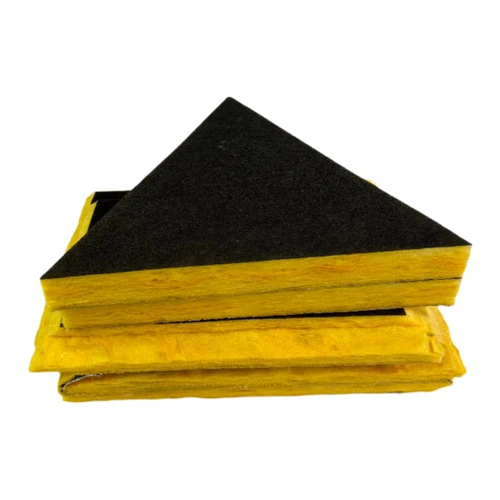
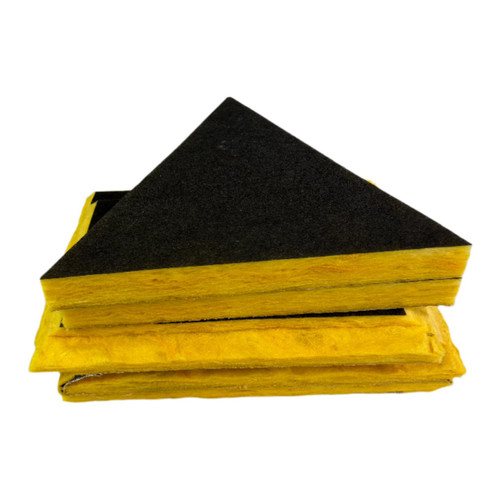
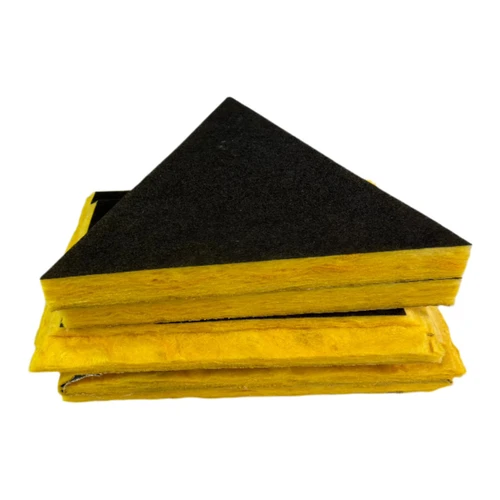
EZ Plenum 16 Inch Small Triangle Air Distribution Box, R-6 Fiberglass, Knocked-Down | EZTS16KD
SKU: EZTS16KD
$50.78- 📦$14.95 Flat-Rate Shipping
- ⚡Fast Shipping
Ships from MFG in 3-5 Business Days10 in stock -
EZ Plenum
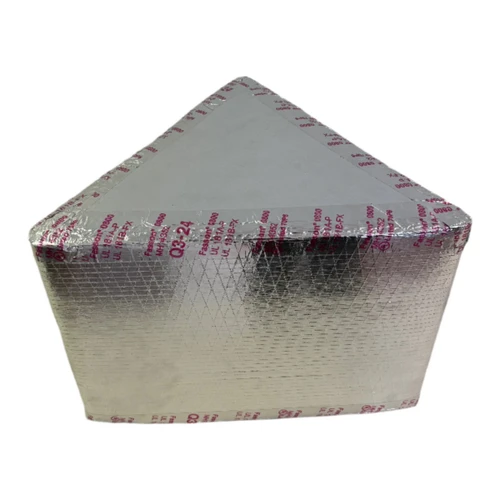
EZ Plenum 16 Inch Small Triangle Air Distribution Box, R-6 Fiberglass, Assembled | EZTS16
SKU: EZTS16
$71.08- 📦$14.95 Flat-Rate Shipping
- ⚡Fast Shipping
Ships from MFG in 3-5 Business Days10 in stock -
EZ Plenum
EZ Plenum 16 Inch Medium Triangle Air Distribution Box, R-6 Fiberglass, Knocked-Down | EZTM16KD
SKU: EZTM16KD
$57.95- 📦$14.95 Flat-Rate Shipping
- ⚡Fast Shipping
Ships from MFG in 3-5 Business Days10 in stock -
EZ Plenum
EZ Plenum 16 Inch Medium Triangle Air Distribution Box, R-6 Fiberglass, Assembled | EZTM16
SKU: EZTM16
$81.11- 📦$14.95 Flat-Rate Shipping
- ⚡Fast Shipping
Ships from MFG in 3-5 Business Days10 in stock -
EZ Plenum
EZ Plenum 21 Inch Large Triangle Air Distribution Box, R-6 Fiberglass, Knocked-Down | EZTL21KD
SKU: EZTL21KD
$88.75- 📦$14.95 Flat-Rate Shipping
- ⚡Fast Shipping
Ships from MFG in 3-5 Business Days10 in stock -
EZ Plenum
EZ Plenum 21 Inch Large Triangle Air Distribution Box, R-6 Fiberglass, Assembled | EZTL21
SKU: EZTL21
$124.23- 📦$19.95 Flat-Rate Shipping
- ⚡Fast Shipping
Ships from MFG in 3-5 Business Days10 in stock -
EZ Plenum
EZ Plenum 72 Inch 2-Slot Linear Plenum Box, R-6 Fiberglass, Knocked-Down | EZLP72X4-KD
SKU: EZLP72X4-KD
$284.32- 🚚Qualifies for FREE Shipping
- ⚡Fast Shipping
Ships from MFG in 3-5 Business Days10 in stock -
EZ Plenum
EZ Plenum 72 Inch 2-Slot Linear Plenum Box, R-6 Fiberglass, Assembled | EZLP72X4
SKU: EZLP72X4
$310.24- 🚚Qualifies for FREE Shipping
- ⚡Fast Shipping
Ships from MFG in 3-5 Business Days10 in stock -
EZ Plenum
EZ Plenum 72 Inch 3-Slot Linear Plenum Box, R-6 Fiberglass, Assembled - Fits Texas Buildmart | EZLP72-3S-TB
SKU: EZLP72-3S-TB
$449.98- 🚚Qualifies for FREE Shipping
- ⚡Fast Shipping
Ships from MFG in 3-5 Business Days10 in stock -
EZ Plenum
EZ Plenum 72 Inch 1-Slot Linear Plenum Box, R-6 Fiberglass, Assembled - Fits Texas Buildmart | EZLP72-1S-TB
SKU: EZLP72-1S-TB
$314.23- 🚚Qualifies for FREE Shipping
- ⚡Fast Shipping
Ships from MFG in 3-5 Business Days10 in stock -
EZ Plenum
EZ Plenum 60 Inch 2-Slot Linear Plenum Box, R-6 Fiberglass, Knocked-Down | EZLP60X4-KD
SKU: EZLP60X4-KD
$237.78- 🚚Qualifies for FREE Shipping
- ⚡Fast Shipping
Ships from MFG in 3-5 Business Days10 in stock -
EZ Plenum
EZ Plenum 60 Inch 2-Slot Linear Plenum Box, R-6 Fiberglass, Assembled | EZLP60X4
SKU: EZLP60X4
$262.18- 🚚Qualifies for FREE Shipping
- ⚡Fast Shipping
Ships from MFG in 3-5 Business Days10 in stock
Buying guidance
Plenum Boxes





 Clearance Center
Mitsubishi R-410A Close-Outs
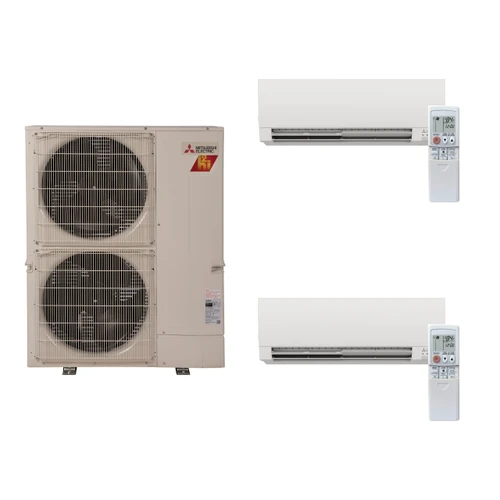
Remaining stock of Mitsubishi Electric R-410A ductless systems, priced to clear while quantities last.
Shop Mitsubishi Clearance
Plenum Boxes: A Practical Buying Guide
A plenum box is the chamber that sits between a duct and the grille or diffuser it feeds. It takes air from a round branch duct, slows it down, spreads it out and hands it to the face of the grille so air leaves evenly instead of rushing out of one spot. Plenum boxes are easy to overlook on a parts list, but they decide how a slot diffuser looks and performs once the ceiling is closed up. This guide covers the main types, how to size them, the difference between assembled and knocked-down boxes, and what to check before you order.
What a plenum box does
Air coming out of a round duct moves fast and straight. Push that air directly into a long, narrow linear diffuser and most of it shoots out near the inlet while the far end of the grille barely moves. A plenum box solves that. The box is larger than the duct, so air expands and loses velocity inside it, then flows out through the full length of the opening. The result is an even pattern along the whole diffuser, quieter airflow and fewer drafts.
In humid climates the box also has a second job. Cold supply air inside a metal or uninsulated box will make the outside of the box sweat in a hot attic or ceiling space, and that water ends up on the drywall or ceiling tile. Insulated plenum boxes, usually built from R-6 fiberglass duct board, keep the outer surface above the dew point and stop that condensation before it starts.
Types of plenum boxes
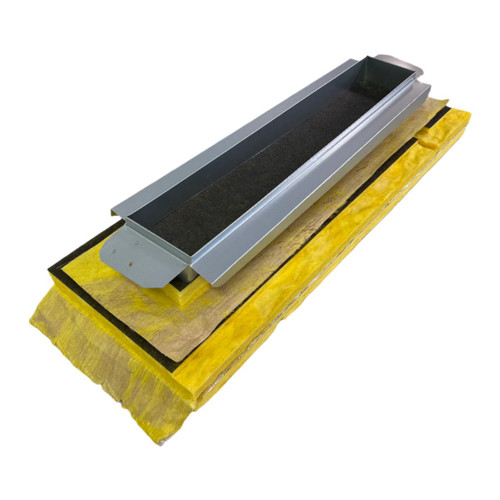
Linear plenum boxes
Linear plenum boxes are long and narrow, made to sit above a linear slot diffuser. They are sized by the length of the grille, commonly 12, 18, 20, 24, 30, 36, 48, 60 and 72 inches, and by the number and width of slots. A 1-slot box has a narrow opening, a 2-slot box a wider one, and a 3-slot box wider still. Linear diffusers are popular in offices, retail spaces, restaurants, condos and modern homes, along window walls, in soffits and anywhere a long, clean air pattern looks better than a square register.
Triangle air distribution boxes
A triangle box, often called a tri-box, is a three-sided distribution box. A supply trunk or large flex run feeds it, and smaller branch ducts take off from its faces to serve several rooms or registers from one central point. Tri-boxes are common in attic duct systems because they are compact and give the installer plenty of flat surface for takeoffs.
Reducer and distribution boxes
Duct board reducer boxes and distribution boxes do a similar job in a different shape. They let a larger supply split into smaller runs, or step a large duct down to a smaller one, without a long transition. They are typically sold knocked-down and assembled on site.
Sizing a plenum box
For a linear plenum box, the most important number is the duct opening, sometimes called the mouth. It has to match the neck of the diffuser that will sit below it. Grille manufacturers do not all use the same dimensions, so the opening that fits one brand of 2-slot diffuser may not fit another. That is why boxes are often listed as compatible with a specific grille pattern.
- Grille length: pick the box made for your diffuser length, for example a 48 inch box for a 48 inch grille.
- Number of slots: match 1-slot, 2-slot or 3-slot to the diffuser.
- Slot width: 3/4 inch and 1 inch slots are the most common, and the box opening is sized around them.
- Duct opening: compare the opening length and width on the spec sheet with the neck dimensions on your grille submittal.
- Box height: standard linear boxes are about 12 inches tall, so confirm you have that much space above the ceiling.
- Inlet: make sure the branch duct size you plan to run suits the box and the airflow the space needs.
For a triangle box, check the outside and inside dimensions and the height. The box has to fit the attic or ceiling space with room left for the takeoffs and the flex or round duct connected to each face.
Plenum box or register box?
Both connect a duct to a grille, but they are built for different faces. A register box, also called a duct boot, is sized for a standard square or rectangular register such as 10 x 6 or 12 x 12, and usually has a flange and drywall lip for a framed ceiling or wall. A plenum box is built for long linear diffusers and lay-in devices where the air has to be spread across a much larger face. If your grille is a standard register, look at register boxes. If it is a slot diffuser or a long linear grille, you need a plenum box.
On larger projects it is common to use both: register boxes in bedrooms and baths, and linear plenum boxes along the main living spaces, window walls and soffits where a cleaner architectural look matters. Matching the right box to each grille keeps airflow balanced from room to room.
Assembled or knocked-down
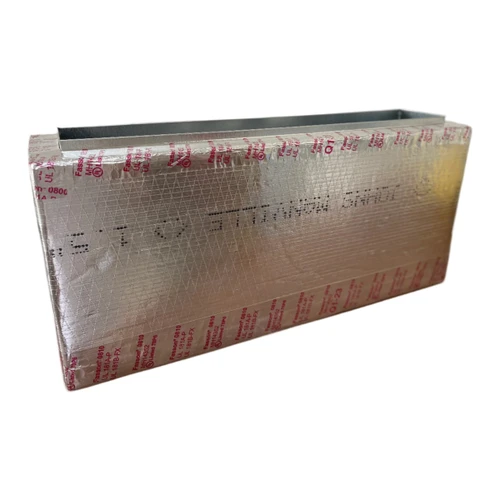
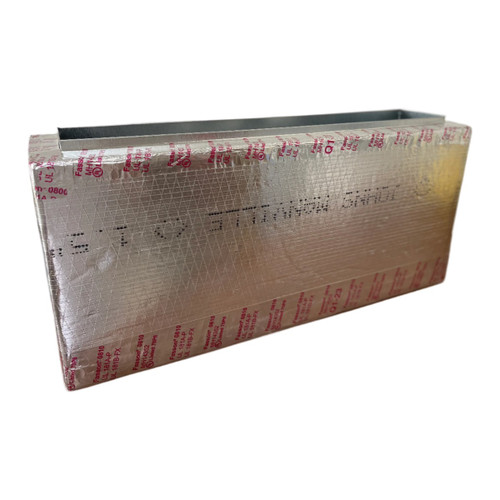
Most plenum boxes are offered two ways. Assembled boxes arrive built, so the installer only has to connect the duct, set the box in place and seal it to the grille. They save time on the job and are the easiest choice for a one-off install.
Knocked-down boxes ship flat. The panels fold into shape and are taped or stapled on site. Distributors and busy contractors like them because a stack of flat boxes takes a fraction of the shelf and truck space of built ones. Once assembled, a knocked-down box matches its assembled version, so the choice comes down to how you store and move inventory.
Fiberglass duct board construction
Fiberglass duct board is a rigid board of glass fiber with a foil facing on the outside. It insulates, it absorbs some of the noise traveling through the duct, and it cuts and folds cleanly, which is why it is the standard material for plenum boxes. R-6 is the common rating for boxes used in attics and ceilings. The foil facing acts as a vapor barrier, so keep it intact and seal every seam with the right foil tape or mastic.
Installation tips
- Check the box opening against the diffuser before you hang anything, so you are not cutting a ceiling for a part that will not fit.
- Support the box from the structure, not from the ceiling grid or the diffuser alone, especially on longer boxes.
- Seal every seam and the duct connection to stop leaks and condensation.
- Keep the foil facing intact on the outside of the box.
- Leave the inlet straight for a short distance where you can, so air enters the box smoothly.
- Follow the diffuser manufacturer's installation instructions and your local building and mechanical codes.
Related parts
A plenum box is one piece of the air distribution system. Depending on the job you may also need flexible duct, duct collars and fittings, register boxes for standard ceiling registers, and the grilles and diffusers themselves. You will find all of these in the Air Distribution section of HVAC365.
Frequently asked questions
Do I need a plenum box for a linear slot diffuser?
In most installations, yes. Without a plenum box the air leaves unevenly along the diffuser. The box spreads the air so the whole grille delivers.
How do I know if a plenum box fits my grille?
Compare the duct opening on the plenum box spec sheet with the neck dimensions on your diffuser submittal. Boxes listed as compatible with a specific grille pattern have been sized for it.
What is the difference between a 1-slot, 2-slot and 3-slot box?
The number of slots on the diffuser it serves. More slots means a wider opening and usually more airflow for the same length.
Should I buy assembled or knocked-down?
Assembled boxes save time on the job. Knocked-down boxes ship and store flat, which saves space. Both perform the same once built.
Why are plenum boxes insulated?
Insulation keeps the box from sweating when cold air runs through it in a hot space, which protects the ceiling from water damage and keeps the air at temperature.
What is a tri-box?
A triangle air distribution box that splits one supply into several branch runs from a single point, often used in attic duct systems.


