null
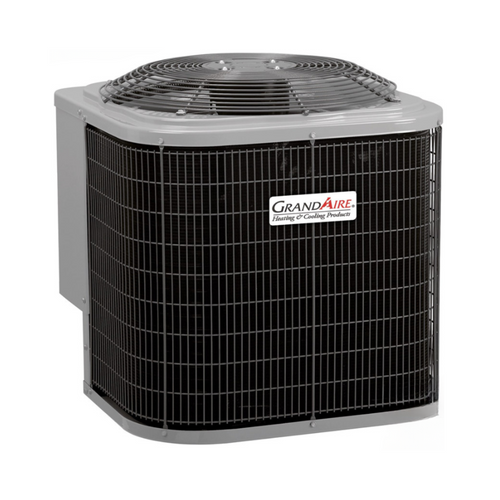
2.5 Ton Air Conditioner Condenser

2.5 Ton Air Conditioner Condenser

When an air conditioner stops keeping up in the middle of summer, a failed or undersized condenser is usually the reason, and waiting is not an option for a household or a job site running without cooling. A 2.5 ton condenser is one of the most common replacement and new-install capacities in residential cooling, and HVAC365 stocks a broad selection of outdoor units in this size so you can match the right unit to the application without hunting across multiple suppliers.

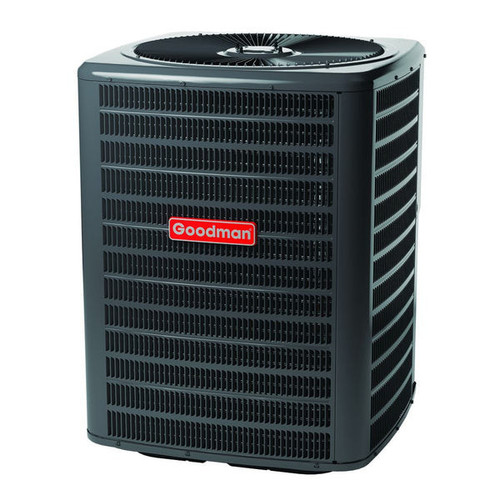
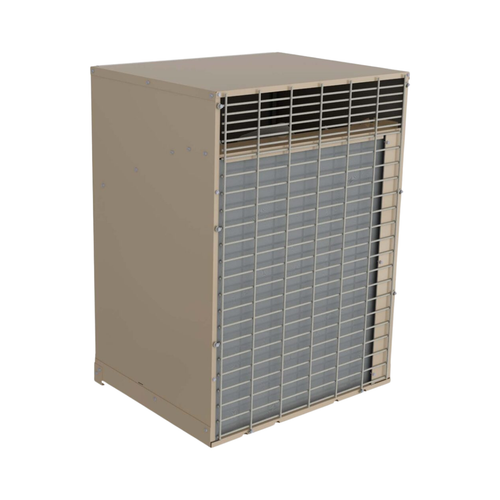
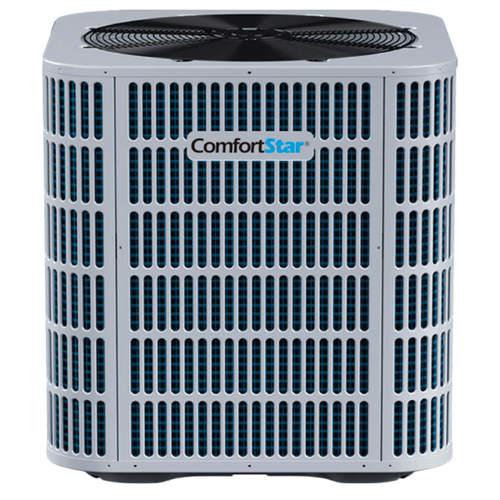
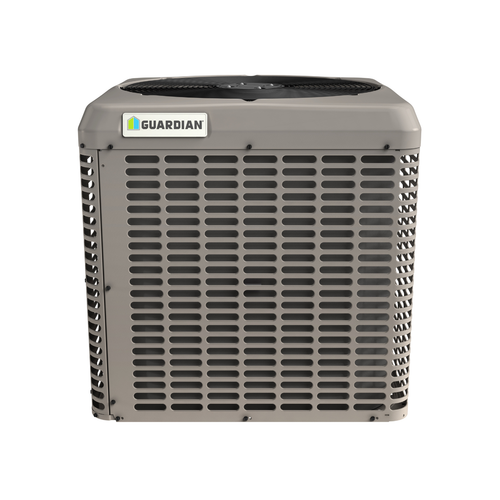
This category covers split-system air conditioner condensers rated at 2.5 tons (30,000 BTU nominal cooling capacity). The condenser is the outdoor half of a central split-system: it houses the compressor, condenser coil, and fan that reject heat from the refrigerant cycle to the outside air. It works with a matched indoor coil and air handler or furnace to deliver conditioned air through a ducted system. These units are built for residential and light commercial applications, and they are sold here to the full range of buyers who need them: homeowners doing a direct replacement, contractors spec-ing a unit for a specific job, light commercial property managers, and distributors sourcing inventory or filling fleet stock.

Picking the Right 2.5 Ton Condenser

Capacity is the first thing to nail down, and 2.5 tons is not automatically the right choice just because the old unit was 2.5 tons. Cooling loads change when a home gets new windows, added insulation, a room addition, or a change in occupancy. Before you order, verify what a current Manual J load calculation (or equivalent) says the space actually needs. Replacing size-for-size is fine when the existing system kept up well and nothing about the structure has changed; if it was always struggling on the hottest days or cycling too fast, the tonnage may need to be revisited. Oversizing causes short-cycling, which means the compressor runs in short bursts, the space never fully dehumidifies, and the equipment wears faster than it should.

Application type matters next. Condensers in this category are primarily designed for residential split-system use, though some models carry ratings and construction suited to light commercial installs. If the job is commercial or mixed-use, check the unit's listed application rating rather than assuming any 2.5 ton unit covers that use case. Some buyers are also weighing whether a standalone condensing unit is the right system type at all, which ties back to the broader question of ducted versus ductless and packaged versus split, covered in the configurations section below.

Efficiency tier is a genuine buying decision, not just a checkbox. Higher SEER2 ratings deliver lower operating costs over the life of the equipment, which matters a great deal for a homeowner paying monthly utility bills. The tradeoff is a higher upfront unit cost. Before settling on a tier, look up your local utility's rebate programs and your jurisdiction's minimum efficiency requirement, since both vary by region and can meaningfully shift the economics. A contractor pulling permits will already know what the local code floor is; a homeowner doing a direct replacement should verify this before buying, because a unit that does not meet the regional minimum cannot be legally installed regardless of price.

Refrigerant compatibility is another factor to resolve before purchasing, particularly for a replacement job on an existing system. Newer condensers are built for current approved refrigerants, and if the rest of the system (line set, indoor coil, metering device) was designed for a different refrigerant, the components may not be directly interchangeable. This is one of the installation-readiness factors covered in more detail further down.

For distributors and contractors buying across multiple jobs, lead time and availability for the specific models a customer or spec calls for are worth factoring into the selection process alongside unit cost.

Buying Tips

  • Do not skip the disconnect and breaker check before you order. A 2.5 ton condenser's electrical requirements (amperage draw, minimum circuit ampacity, maximum overcurrent protection) must match what is already on site or what will be installed. These values vary by model and manufacturer. Ordering without cross-referencing the unit's nameplate data against the existing disconnect and panel capacity is a mistake that stalls the install and sometimes requires a service upgrade.
  • Matched-system ratings matter for rated efficiency. A condenser's published SEER2 rating is only achieved when the outdoor unit is paired with a tested, matched indoor coil and air handler. Mixing components from different systems or using an older indoor coil with a new condenser will almost certainly not yield the published efficiency, and in some cases will void the manufacturer warranty. Get the matched coil part number from the manufacturer's product data before you finalize the order.
  • Check the warranty registration window. Most manufacturers require warranty registration within a fixed window after installation, and some require a licensed contractor to perform the install for the extended warranty to apply. Missing the window or skipping registration is a common oversight that costs a homeowner real money if a compressor fails in year two or three.
  • Verify current refrigerant rules before purchasing a replacement. Refrigerant regulations have shifted in recent years, and the rules around which refrigerants can be used in new equipment or replacement equipment vary by region and continue to evolve. Confirm the unit you are ordering is compliant for your jurisdiction before it ships.

Split-System Configurations in This Category

All units in this category are outdoor condensing units for central ducted split systems. Within that, there are a few real distinctions worth understanding before choosing.

  • Single-stage compressors run at full capacity or not at all. They are the most common and most affordable option, and they work well in climates where the cooling load is fairly consistent or in applications where first cost matters more than cycling efficiency.
  • Two-stage compressors can run at a lower capacity setting during milder conditions and ramp up to full output on peak days. This reduces short-cycling, improves dehumidification on moderate days, and tends to lower operating costs compared to single-stage in climates with a wide range of summer temperatures.
  • Variable-capacity (inverter-driven) compressors modulate across a continuous range of outputs to match the real-time load as closely as possible. They deliver the best efficiency numbers and the most consistent comfort, at the highest upfront cost. They also have more specific matched-component requirements, so the indoor coil and air handler compatibility check is especially important here.

The right compressor type depends on the climate, the budget, and how the space is used. A single-stage unit is a perfectly sound choice for many residential replacements. Two-stage and variable-capacity units justify their cost premium in climates or applications where the system runs for long hours across a wide load range.

What It Takes to Install a 2.5 Ton Condenser

Installing a condensing unit is not just a matter of swapping the outdoor cabinet. Several site conditions need to be verified against the specific unit before the install goes forward.

Electrical supply. Pull the spec sheet for the unit you are installing and check the minimum circuit ampacity and maximum overcurrent protection values listed there. Measure or look up the existing disconnect size and breaker rating on site. If the existing electrical service does not match what the new unit requires, the disconnect, wiring, or breaker may need to be upgraded before the unit can go in. This is not optional, and it is not something to discover after the equipment arrives.

Refrigerant and line set compatibility. If this is a replacement rather than a new installation, check whether the existing line set diameter and length fall within the new unit's specifications. Also verify which refrigerant the new unit uses and whether it is compatible with the existing indoor coil and metering device. A mismatched metering device (TXV vs. fixed orifice, or a TXV calibrated for the wrong refrigerant) will affect system performance and can damage the compressor over time. Ask the manufacturer or distributor for guidance if the existing system components are not clearly documented.

Matched indoor components. As noted above in the buying tips, the outdoor condenser must be paired with a tested, compatible indoor coil. Look up the manufacturer's approved match list (often called the ARI or AHRI certified combinations list) and confirm the indoor coil model is on it for the specific outdoor unit you are installing. Using a non-matched indoor unit may result in a warranty claim being denied and in lower-than-expected performance.

Clearances and mounting surface. The condenser needs adequate airflow around all sides and above the unit. Manufacturer installation manuals specify minimum clearances from walls, fences, shrubs, and adjacent units. Check those requirements against the actual installation site, not just the pad location. A unit squeezed into a tight alcove or surrounded by overgrown landscaping will run warmer and less efficiently than the rated conditions assume.

Operating temperature range. Condensers are rated for operation within a defined outdoor ambient temperature range. In regions with extreme summer heat, look up the unit's high-ambient limit before installing, particularly in enclosed or south-facing locations where ambient temperatures at the unit may exceed what is typical for the area.

Controls and thermostat compatibility. Most 24V single-stage condensers work with standard thermostats, but two-stage and variable-capacity units may require a compatible communicating thermostat or a specific control board to realize the efficiency and staging benefits. Verify compatibility between the new condenser, the air handler or furnace, and the thermostat before finalizing the equipment list.

Things You Should Know Before You Buy

Q: What does a 2.5 ton air conditioner condenser actually do?

A: The condenser is the outdoor unit in a split-system central air conditioner. It contains the compressor and condenser coil, which compress refrigerant and reject heat to the outside air, completing the refrigerant cycle that allows the indoor coil to absorb heat from inside the home. It does not work independently; it requires a matched indoor evaporator coil and air handler or furnace to function as a complete system.

Q: How do I know if 2.5 tons is the right size for my space?

A: The right capacity comes from a load calculation (Manual J or equivalent), not square footage rules of thumb. As covered earlier, replacing with the same tonnage is usually reasonable when the old system performed well and nothing structural has changed — but a calculation confirms it. A licensed HVAC contractor can perform one.

Q: Can I replace just the outdoor condenser without replacing the indoor coil?

A: Sometimes, but it requires careful verification. The new condenser must be rated and tested as a matched system with the existing indoor coil to deliver published efficiency and maintain the manufacturer warranty. If the existing coil is aged, uses a different refrigerant, or is not on the manufacturer's approved match list for the new outdoor unit, replacing only the condenser is likely to create efficiency and reliability problems. The matched-component checks described in the installation section above cover exactly what to verify on site.

Q: What is SEER2, and does it affect which unit I can legally install?

A: SEER2 is the current federal efficiency rating standard for air conditioning equipment, updated to reflect more realistic operating conditions than the older SEER test. Regional minimums apply, and a unit below the floor for your jurisdiction cannot be legally installed there. The efficiency tier discussion above covers how to factor regional requirements and utility rebates into the buying decision.

Q: What electrical work is typically needed for a condenser installation?

A: At minimum, the existing disconnect size, wire gauge, and breaker must match the new unit's minimum circuit ampacity and maximum overcurrent protection values from the spec sheet. Many installations also require a dedicated disconnect within sight of the unit per code. The electrical supply section above has the full checklist — pull the spec sheet before scheduling the install so there are no surprises on site.

Q: Do 2.5 ton condensers work with any refrigerant?

A: No. Each condenser is designed and charged for a specific refrigerant, and that refrigerant must be compatible with the indoor coil, line set, and metering device in the system. Refrigerant regulations have also shifted in recent years, so verify that the unit you are purchasing uses a refrigerant that is legal for new equipment and replacement use in your jurisdiction before you order.

Q: Does the installation have to be done by a licensed contractor?

A: Handling refrigerant requires EPA Section 608 certification in the US, which means the refrigerant work must be done by a certified technician regardless of who physically installs the equipment. Many manufacturers also require a licensed contractor installation for the extended warranty to apply. Local permit requirements vary; check what your jurisdiction requires before scheduling the work.

HVAC365 ships 2.5 ton condensers nationwide, with a broad stocked catalog that covers the range of efficiency tiers, compressor types, and configurations this capacity class comes in, so whether you are a homeowner sourcing a single replacement or a distributor filling inventory across multiple units, the selection is there without backordering across multiple sources.

Compare
Show: 12 24 48

Fast Shipping

Easy Returns

Warranty Coverage

Financing Available