null
2 Ton Air Conditioner Condenser

2 Ton Air Conditioner Condenser

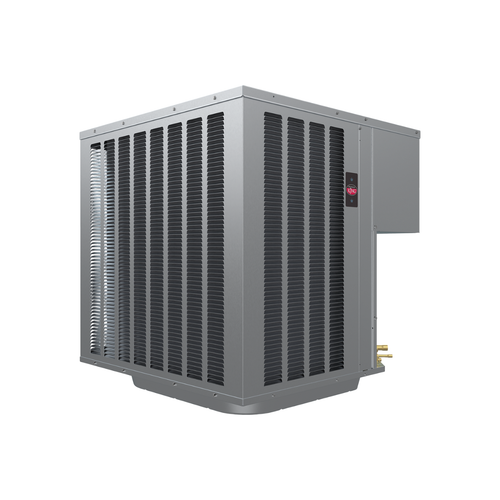
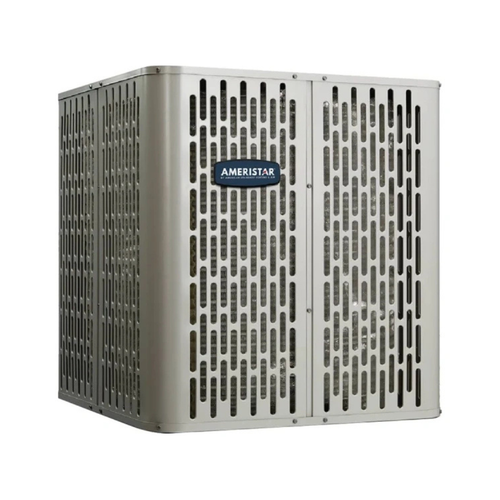
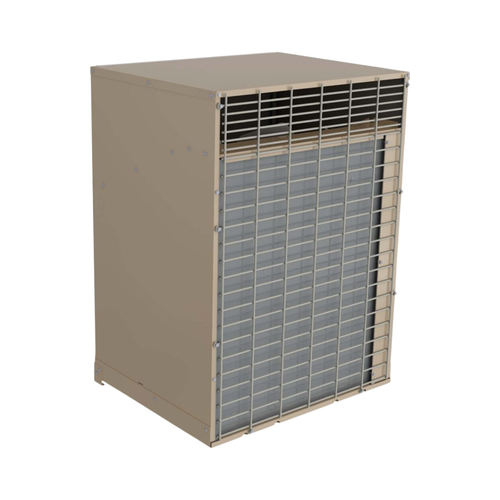
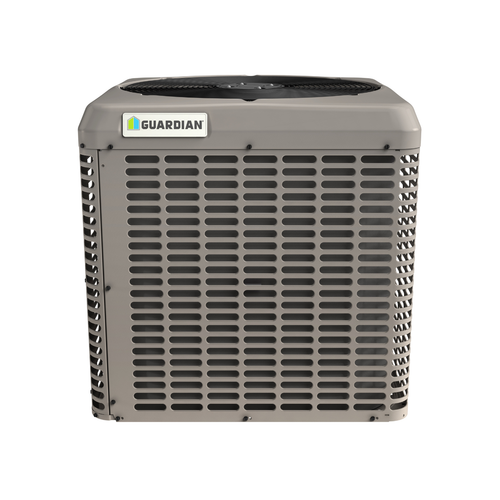
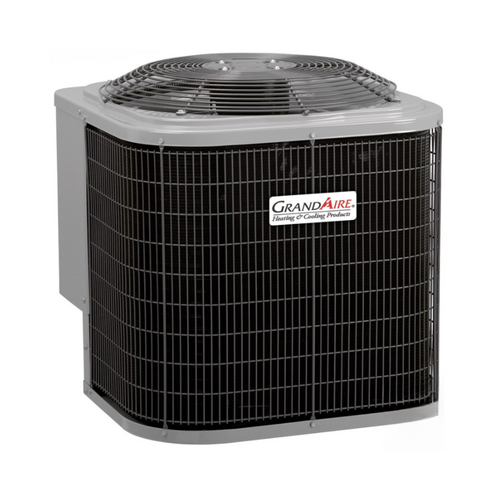
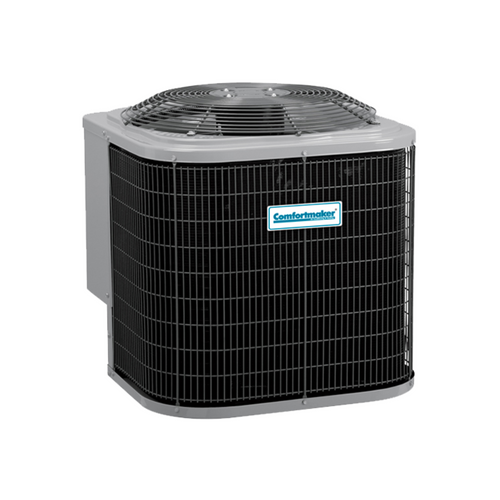
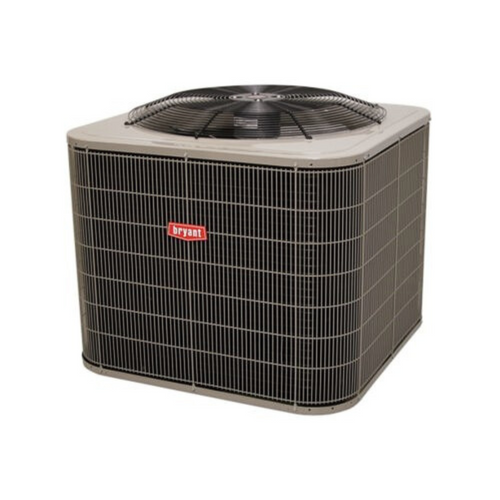
A failed or undersized condenser in summer is not a minor inconvenience. Whether it is a homeowner's house sitting at 85 degrees overnight or a contractor whose job is stalled waiting on equipment, having the right 2 ton condenser available matters. HVAC365 stocks a broad selection across the configurations and efficiency tiers this capacity range actually calls for, so you can identify the right unit and move forward. The 2 ton air conditioner condenser category covers outdoor condensing units rated at 24,000 BTU per hour, the refrigeration workhorses for medium-sized residential spaces and light commercial applications. These are the units that sit outside a building, reject heat from the refrigerant loop, and make the indoor cooling side of a split system work. Buyers in this category include homeowners replacing aging equipment, light commercial property owners upgrading a rooftop or ground-mounted system, HVAC contractors sourcing units for a specific job spec, and distributors stocking inventory for their service fleet or resale. If you are also comparing options across the broader air conditioner condensers lineup, that parent category covers the full capacity range from smaller single-room loads up through heavy commercial tonnage.

Picking the Right 2 Ton Condenser

Capacity is the first question, and it is easy to get wrong. A 2 ton condenser is rated for 24,000 BTU per hour, but whether that is the right size for your space is a separate question entirely. Square footage alone does not determine load. Ceiling height, insulation quality, window area and orientation, local climate, occupancy patterns, and internal heat sources all factor in. The correct sizing method is a Manual J load calculation or an equivalent engineering-based approach, not a rule of thumb like "500 square feet per ton." Oversizing sounds safe but causes real problems: a condenser that is too large for the space short-cycles, meaning it hits setpoint quickly and shuts off before it has run long enough to pull humidity out of the air. The result is a space that feels clammy even when the thermostat reads a comfortable temperature. If a load calculation has already been done and 2 tons is confirmed as the right answer, the remaining decisions are efficiency tier, application type, and site-readiness, which the installation section below covers.

Efficiency is the next fork in the road. SEER2 ratings, which replaced the older SEER metric under 2023 federal standards, measure seasonal cooling efficiency under updated testing conditions. Higher SEER2 ratings cost more upfront but reduce operating costs over the life of the unit. The tradeoff is real: a unit at the federal minimum SEER2 floor will cost less to purchase and may be the right call for a rental property, a short-term installation, or a budget-constrained replacement. A higher-efficiency unit makes more financial sense when utility rates are high, the space runs cooling-heavy for most of the year, or the buyer qualifies for utility rebates that offset the premium. Before choosing an efficiency tier, check whether the local jurisdiction has adopted efficiency minimums above the federal floor (some regions do), and look up whether the local utility offers rebates on high-efficiency equipment. The rebate math changes the real cost of going premium.

Application type also matters more than it might seem. Residential split systems and light commercial systems may share a nominal tonnage, but their design assumptions can differ in meaningful ways, including operating temperature range, cabinet and coil construction, and the controls they expect to interface with. A unit rated for residential duty is not automatically the right pick for a commercial application that runs longer daily hours or handles a more demanding load profile. If you are sourcing a unit for a commercial install, verify that the manufacturer's application rating covers your use case. Contractors specifying units for a particular job should also consider whether the selected condenser matches the existing indoor coil or air handler and the existing refrigerant line set, since a mismatch there creates real installation problems, which the section below walks through in detail. Distributors weighing volume purchases will want to evaluate lead time and availability alongside efficiency tier, since popular mid-range SEER2 units can move fast during peak season.

Buying Tips

  • Match the condenser to the coil before you order. A condenser and evaporator coil must be matched, typically using the manufacturer's published matchup tables, to achieve the rated efficiency and to satisfy most warranty terms. Swapping in a condenser from one manufacturer and pairing it with a coil from another may work mechanically but usually voids the efficiency certification and can affect warranty coverage. Verify compatibility before the unit ships, not after it arrives on site.
  • Check the disconnect and breaker size early. The electrical supply requirements (voltage, amperage, and dedicated circuit size) vary by model even within the 2 ton range. If the existing disconnect or breaker does not match the new unit's requirements, that is an electrician call and a permit issue, not something to discover on install day. Pull the spec sheet for the specific model and compare it against what is already on site.
  • Factor in refrigerant type before committing. The industry is in active transition. Units designed for R-410A refrigerant and units designed for lower-GWP alternatives (such as R-454B or R-32) are not interchangeable in terms of service equipment, line sets, and technician certification requirements. If your service infrastructure is built around one refrigerant type, verify that the condenser you are ordering matches it, or plan for the changeover cost.
  • Do not skip the warranty registration step. Most manufacturers require product registration within a specific window after installation to activate the full warranty term. Shortened warranty coverage from a missed registration is a common, entirely avoidable outcome. Note the registration deadline at the time of purchase and set a reminder.

How 2 Ton Condensers Are Configured

Within the 2 ton condenser category, the most meaningful configuration distinctions for most buyers come down to staging, refrigerant compatibility, and whether the unit is intended for a standard split system or a packaged system context.

  • Single-stage condensers operate at one compressor speed: full capacity or off. They are simpler mechanically, generally lower in upfront cost, and adequate for spaces where the cooling load is relatively consistent and moderate. Short-cycling risk is higher if the load calculation was not done precisely, since the unit cannot modulate down.
  • Two-stage condensers can run at a lower compressor stage during mild conditions and ramp to full capacity when the load demands it. This means more consistent indoor temperatures, longer run times at lower capacity (which improves humidity removal), and somewhat better efficiency in practice than a single-stage unit at the same nominal SEER2 rating.
  • Variable-capacity (modulating) condensers adjust compressor output continuously across a range, giving the finest temperature and humidity control and typically the highest real-world efficiency. The tradeoff is higher upfront cost and more sophisticated controls requirements. At the 2 ton capacity point, variable-capacity options exist but are less common than at larger tonnages.

Most 2 ton condensers in this category are designed as the outdoor half of a split system, paired with a separate indoor air handler or furnace and evaporator coil. Packaged units, which combine all components in one outdoor cabinet, are a separate configuration and are covered in their own category. If you are replacing an existing condenser in a split system, you are almost certainly looking for a split-system outdoor unit here.

What It Takes to Install a 2 Ton Condenser

Site readiness for a condenser replacement or new install involves several factors that need to be checked before the unit arrives, not after. Getting any one of them wrong can delay the install or require a return trip.

Start with the electrical supply. A 2 ton condenser requires a dedicated circuit, a properly sized disconnect, and a breaker matched to the unit's minimum circuit ampacity and maximum overcurrent protection ratings. These figures are printed on the unit's nameplate and in the installation manual. Measure the voltage at the panel before assuming the existing supply is correct, and verify that the disconnect already on site matches what the new unit needs. If the existing wiring gauge is undersized for the new unit's amperage draw, that is a code issue, not a discretionary upgrade.

Check the refrigerant line set. The existing copper lines between the outdoor condenser and the indoor coil need to match the new unit's required line size and, critically, the refrigerant type. If you are moving from R-410A equipment to a unit designed for a next-generation refrigerant, the existing line set may need to be replaced or flushed and verified, depending on the manufacturer's requirements for that refrigerant. Do not assume the existing lines are reusable without checking the new unit's installation documentation.

Look at clearances around the installation pad or mounting location. Condensers need a minimum amount of clear space on all sides and above the unit for airflow and service access. These clearance requirements vary by model and are listed in the installation manual. Vegetation, fencing, adjacent structures, and utility meters all need to be assessed. An undersized pad or a location that blocks discharge airflow will reduce efficiency and can cause the unit to trip on high pressure during hot weather.

Verify that the indoor coil or air handler is compatible with the condenser you are installing. As noted above, the matched system pairing determines the certified efficiency rating and often governs warranty terms. If the indoor coil is staying in place, look up the manufacturer's coil matchup table for the specific condenser model before the install date. Mismatched systems can still run, but they will not achieve rated efficiency and may have refrigerant charge issues that show up only after the system has been running for a season.

Controls and thermostat wiring are worth a look before installation day as well. Most 2 ton condensers use standard 24-volt control wiring, but some variable-capacity or communicating systems require a thermostat and air handler that support the manufacturer's proprietary communication protocol. If the existing thermostat is a basic non-communicating model and the new condenser is a communicating unit, that is a thermostat replacement, not just a condenser swap. Ask the manufacturer or check the installation documentation to understand what control system the unit expects.

Things You Should Know

Q: How do I know if 2 tons is the right size for my space?

A: A Manual J load calculation is the only reliable method — square footage rules of thumb do not account for insulation, windows, ceiling height, climate, or internal heat sources. If the result is 24,000 BTU per hour, a 2 ton condenser is the right starting point. The sizing and short-cycling consequences are covered in detail earlier on this page.

Q: Can I replace just the outdoor condenser and keep my existing indoor coil?

A: Yes, if the coil is compatible with the new condenser — but compatibility must be verified against the manufacturer's published matchup table for that specific model. A mismatched pairing may run but will not achieve rated SEER2 efficiency, and most manufacturers will not honor the full warranty on unmatched components. The refrigerant type also needs to match. The coil-matching and refrigerant considerations covered earlier in this page apply directly here.

Q: What is SEER2, and how does it differ from the old SEER rating?

A: SEER2 replaced SEER under the 2023 federal standards and uses updated test conditions that better reflect real-world installation static pressure. SEER2 numbers are not directly comparable to old SEER numbers on a one-to-one basis. When comparing units or evaluating utility rebate thresholds, compare SEER2 to SEER2. The efficiency tier tradeoffs are covered in the sizing and selection section above.

Q: Does it matter which refrigerant the condenser uses?

A: Yes, significantly. R-410A and next-generation lower-GWP refrigerants such as R-454B and R-32 require different service equipment, handling procedures, and in some cases different technician certifications — they are not interchangeable in a system. Verify the refrigerant type matches your existing components before ordering. The full transition considerations are covered in the buying tips and installation sections above.

Q: What electrical supply does a 2 ton condenser need?

A: Voltage, minimum circuit ampacity, and maximum overcurrent protection figures vary by model and are printed on the unit's nameplate and in the installation manual. Pull that data for the specific unit you are purchasing and compare it against the existing disconnect, breaker, and wiring gauge on site. What to check and when is covered in the installation section above.

Q: Will a 2 ton residential condenser work in a light commercial application?

A: It depends on how the manufacturer rates the specific unit. Residential and light commercial condensers can share a nominal tonnage but differ in design assumptions around daily runtime, operating temperature range, and controls. Check the manufacturer's published application rating before specifying a unit for a commercial install — a residential-rated unit in a demanding commercial duty cycle may not meet performance expectations and can void warranty coverage.

Q: What accessories are required versus optional with a condenser installation?

A: Required accessories typically include a properly rated disconnect (if one is not already in place), a correctly sized pad or mounting surface, and the refrigerant line set (if the existing one is not compatible or is being replaced). Optional accessories worth considering include a hard-start kit for compressors that struggle to start on low-voltage supply, a surge protector for the condenser, and a condenser cover for winter if the unit sits in a climate with heavy ice loading. Check the installation manual for the specific unit to see what the manufacturer requires versus recommends.

HVAC365 ships 2 ton air conditioner condensers nationwide, which matters most when a replacement cannot wait out a long lead time in the middle of a heat wave or when a contractor needs to keep a job on schedule. The catalog covers a range of efficiency tiers, staging configurations, and refrigerant types so that residential replacements, light commercial installs, and distributor volume orders can all be sourced from one place. Browse the current in-stock selection above and reach out if you need help narrowing down the right unit for the application.

Compare
Show: 12 24 48

Fast Shipping

Easy Returns

Warranty Coverage

Financing Available