

Description
Product Summary
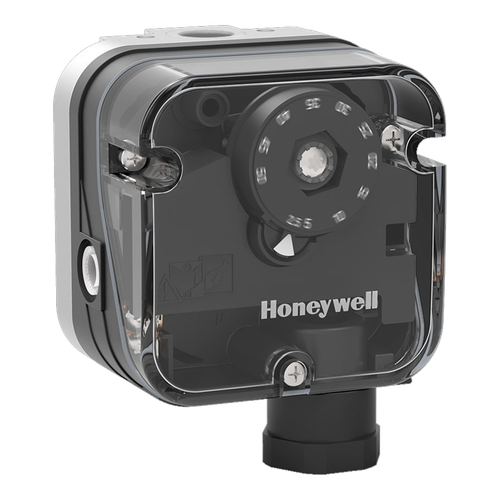
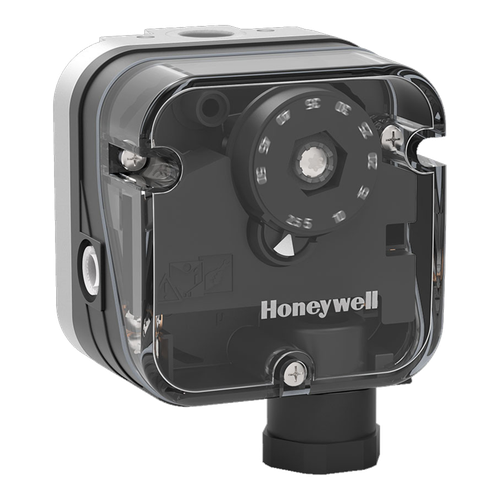
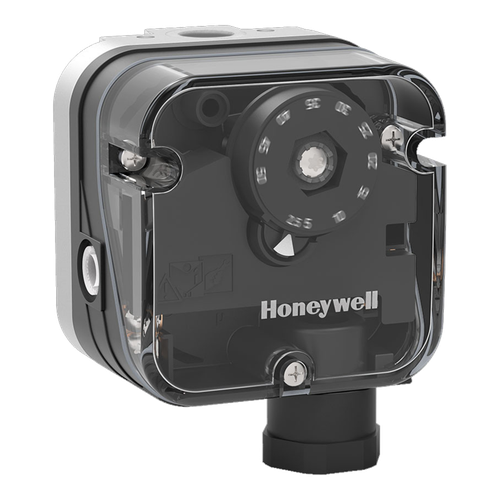
The Honeywell C6097A3111 is a pressure switch from Honeywell, described by the manufacturer as: pressure switch 40-200" WC 100-500mbar 8.5 Psi/600mbar max manual reset breaks N.O. on pressure fall 1/4" NPT internal thread mount 1/2" NPT electrical connection. It replaces C6097A1111.
A pressure switch proves that air, water or refrigerant pressure is where it should be before allowing the equipment to run. On furnaces it proves the inducer's draft; on boilers and steam systems it controls or limits the operating pressure. Replace a switch that does not close with the correct pressure applied, or that opens and closes erratically. Check hoses, ports and venting first.
Before you order, match C6097A3111 to the part number on the part you are replacing or in your equipment's repair parts list, and confirm the voltage, size and connections match your equipment. If you are not sure which part your equipment needs, call us at 1.888.509.3391 with the model and serial number and we will confirm it for you.
Key Features
- Genuine Honeywell part: Manufacturer part number C6097A3111, factory new.
- Cross-reference: Replaces C6097A1111.
- Part type: Pressure Switch.
- Ready to ship: In stock with live quantities shown on this page.
Frequently Asked Questions
Is this a genuine Honeywell part?
Yes. This is the Honeywell C6097A3111, a factory-new pressure switch from Honeywell.
How do I make sure it fits my equipment?
Compare C6097A3111 with the part number printed on the part you are replacing or listed in your equipment's repair parts list, and confirm the voltage and connections match. If you are not sure, call us at 1.888.509.3391 with your model and serial number and we will confirm it.
What part numbers does the C6097A3111 replace?
The Honeywell C6097A3111 replaces C6097A1111.
What do the numbers on a pressure switch mean?
They are the pressures at which the switch closes and opens. Replace it with a switch that has the same set points.
Should a professional install this part?
Yes. Gas, electrical, hydronic and combustion components should be installed by a qualified technician who can test the system afterward and follow the codes that apply where you live.