

-
AquaComfort
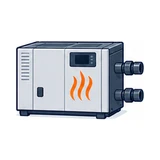
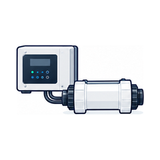
Aquacomfort 136,000 BTU Heat Pump Pool Heater with Cooling Function | ACT-1750HC
SKU: ACT-1750HC
$6,499.59Ships in 1-2 Business Days2 in stock
A pool or spa that runs at the wrong temperature, costs too much to heat, or sits idle because a pump failed is a real problem that needs a real fix fast. HVAC365 stocks a broad range of pool and spa equipment across the capacity and application options that residential replacements and commercial installations actually call for, so you can find the right unit without hunting across a dozen suppliers. This category covers heaters, heat pumps, pumps, and the related equipment that keeps a pool or spa at the right temperature and running reliably. It serves homeowners replacing aging equipment, commercial facility operators maintaining a guest pool, contractors sourcing equipment for an install job, and distributors stocking for a regional service area. Wherever you sit in that range, the goal is the same: get the right equipment matched to the right application without guesswork.
The single biggest decision in this category is matching the heater type and capacity to what the pool or spa actually needs. That is not a guess you make from the pool's square footage alone. The water volume, the desired temperature rise, the local climate, wind exposure, and whether a cover is used all affect how much heating capacity the equipment needs to carry. A load calculation or at minimum a careful review of the manufacturer's sizing guidelines for your specific conditions is the right starting point, not a rule-of-thumb shortcut.
Heater type is a real fork in the road. Gas heaters (natural gas or propane) heat water quickly and work in any ambient temperature, which makes them the common choice when rapid heat-up matters or when the installation is in a cooler climate. Pool heat pumps extract heat from the ambient air and move it into the water, which makes them more efficient in warmer climates but less effective when outdoor temperatures drop below a certain threshold. Electric resistance heaters are generally reserved for smaller spas where the water volume is low. The right type depends on the local climate, the available fuel or utility source, and how the owner intends to use the pool (daily versus on a schedule versus seasonal).
Efficiency matters here in a real dollar sense because pool heaters run for extended periods. Higher-efficiency gas heaters cost more upfront but deliver measurable fuel savings over a season. Heat pumps have a higher coefficient of performance in the right climate, meaning they move more heat per unit of electricity consumed. Utility rebate programs in some regions apply to efficient pool heaters, so it is worth checking what the local utility offers before the purchase, not after. Keep in mind that higher efficiency often narrows the installation requirements, including venting for sealed-combustion gas heaters, a factor covered in the installation notes below.
For contractors spec-matching to a specific job, the application type (residential backyard pool, hotel pool, therapeutic spa, commercial aquatic facility) should drive the capacity selection before anything else. Distributors evaluating volume orders should weigh lead times and whether the selected model is consistently stocked, because a heater on back-order stalls every job it was meant to supply.
The pool and spa category breaks down along two main lines: what the equipment does (heat the water, move the water, treat the water) and what fuel or power source it runs on. The meaningful distinctions worth understanding before you buy are outlined below.
If the category is organized into sub-sections in the catalog, those groupings reflect the actual product breakdown available. Browse by equipment type to narrow the selection to what the job calls for.
Pool and spa equipment has real site requirements that should be verified before the unit ships, not after it arrives. Working through these during the selection process saves a costly change order or return.
For gas heaters, check that the existing gas line has adequate capacity for the heater's BTU input rating. A gas line that is correctly sized for an old heater may be undersized for a higher-output replacement. The venting configuration matters too: modern high-efficiency gas heaters often use sealed combustion with direct vent, which is different from older naturally-drafted units. Measure the available flue path and confirm the heater's venting type before ordering.
Pool heat pumps need adequate electrical service. Verify the voltage (most residential units are 240V single-phase, though commercial units may differ), the amperage draw, and whether a dedicated breaker and disconnect are already in place. If the panel is near capacity, this is the conversation to have with an electrician before committing to the equipment. Heat pumps also need clearance on all sides for airflow; look at the manufacturer's minimum clearance spec and compare it against the planned installation location.
Plumbing connections on a replacement heater should match the existing pipe size and material, or adapters should be accounted for in the install plan. For pumps, measure the existing plumbing at the inlet and outlet before ordering. A pump that does not match the pipe size creates a project that was supposed to be a swap but becomes a partial replumb.
Controls and automation are worth reviewing at the selection stage. Some heaters and pumps are designed to integrate with pool automation systems. If the homeowner or facility already has an automation controller, check compatibility with the new equipment before the purchase. Adding a non-compatible heater to an existing automation setup may require a bypass or an additional interface module.
For outdoor installations, consider the location's exposure to the elements. Heaters and heat pumps should be installed in a location that meets the manufacturer's clearance requirements, is not prone to flooding or debris accumulation, and is accessible for service. Ask the manufacturer or refer to the installation manual for any specific orientation or weather protection requirements that apply to the model selected.
A: Size is determined by water volume, desired temperature rise, local climate, wind exposure, and cover use — not square footage alone. Follow the heater manufacturer's sizing guidelines or have a qualified pool contractor run the calculation. Oversizing is as problematic as undersizing: an oversized gas heater short-cycles and wears the heat exchanger faster.
A: Climate and usage pattern decide it. Gas heaters heat quickly and work in any outdoor temperature. Heat pumps cost less to run in warm climates but lose effectiveness as temperatures drop. The heater type breakdown above covers the tradeoffs in more detail.
A: Usually not. Heat pumps require a dedicated circuit at the correct voltage and amperage, plus a disconnect near the unit. Check the electrical supply and panel capacity before ordering — the site readiness section above covers what to verify.
A: A single-speed pump runs at one fixed speed regardless of what the system needs. A variable-speed pump adjusts its speed to match demand, which cuts energy consumption significantly during lower-flow periods like filtration cycles. Variable-speed pumps cost more upfront but typically pay back the difference through lower utility bills, and they are required by energy code in a growing number of jurisdictions.
A: In most jurisdictions, yes, especially for gas heaters with new gas line work or heat pumps with new electrical circuits. Permit requirements vary by municipality. Check with the local building department before the installation begins, not after the equipment is on site.
A: Match the pump to the system's total dynamic head — pipe diameter, pipe length, fittings, and resistance from filters and other equipment in the circuit. A pump that is too large creates excessive pressure, noise, and wear. Pull the existing system specs or have a pool professional evaluate the plumbing before selecting a replacement, particularly if upgrading to a higher-output model.
A: A gas heater operates in any ambient temperature and is the standard choice for cold climates or extended seasons. A heat pump has a minimum effective operating temperature and delivers degraded output below that threshold. Verify the equipment's rated operating range against local seasonal lows — the heat pump notes above and in the buying tips cover this point.
HVAC365 ships pool and spa equipment nationwide, which means whether a contractor needs a heater delivered to a residential job site or a distributor is restocking for a busy season, the selection is available without being limited to a regional distributor's local stock. The catalog covers residential replacements through commercial-grade equipment, so the right unit for the application is in one place rather than spread across multiple suppliers.
AquaComfort
SKU: ACT-1750HC

Fast Shipping

Easy Returns

Warranty Coverage

Financing Available
