null
Automatic Chemical Feeders

Automatic Chemical Feeders

An automatic chemical feeder adds sanitizer or pH chemicals to a pool or spa without anyone standing over it with a jug. Feeders range from a simple erosion feeder full of tablets to a peristaltic pump metering liquid chlorine on command from a controller, to a CO2 system holding pH on a commercial pool. Steady, automatic feed keeps chlorine from swinging between too high after a manual dose and too low two days later, which means clearer water, fewer algae calls and less wasted chemical.

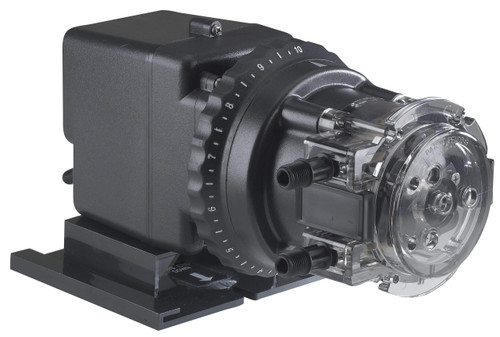
This category covers automatic chemical feeders and feed parts: peristaltic and diaphragm metering pumps from brands like Stenner and Blue Torrent, Rola-Chem-style feed pumps, erosion feeders, CO2 feed components, injection fittings, check valves, suction tubing, pump tubes and replacement rollers. Service companies and commercial operators are the biggest buyers, along with residential owners who have switched to liquid chlorine and acid feed through their automation.

How the Main Feeder Types Work

Peristaltic pumps

A motor turns a roller assembly that squeezes a flexible tube, pushing a fixed volume of liquid forward with each rotation. The chemical touches only the tube, so peristaltic pumps handle liquid chlorine (sodium hypochlorite) and muriatic acid well, and they do not vapor-lock the way some diaphragm pumps can with off-gassing chlorine. Output is set by speed, on-time or a controller signal. The pump tube is a wear item and must be replaced on schedule.

Diaphragm metering pumps

A flexing diaphragm and check valves push chemical in measured strokes. Diaphragm pumps can inject against higher line pressure and are common in larger commercial systems. Check valves and diaphragms require periodic service, and liquid chlorine can gas off and cause air binding if the pump is not designed for it.

Erosion feeders

A chamber filled with chlorine or bromine tablets. Water passes through the tablets and slowly dissolves them, and a dial controls how much flow passes through. Erosion feeders need no power and are simple, but output varies with flow, water temperature and how full the chamber is. These are covered in more detail in the tab chlorinator category.

CO2 feed for pH control

Carbon dioxide injected into the water forms carbonic acid, which lowers pH without handling liquid acid. CO2 systems use a cylinder or bulk tank, a regulator, a solenoid valve controlled by the pH controller, and an injector or diffuser. CO2 lowers pH gently but does not lower total alkalinity the way muriatic acid does, so alkalinity can climb over time and needs to be managed. CO2 feed is common on commercial pools where acid handling is a concern.

Signs a Feeder Needs Service

  • Chemistry won't hold setpoint even though the feeder is running.
  • Tank level not dropping or dropping faster than expected.
  • Peristaltic tube cracked, flattened or leaking. Tubes wear out from repeated squeezing and chemical exposure. Many need replacement every few months to a year depending on chemical, duty cycle and the maker's guidance.
  • Lost prime. Air in the suction line, a clogged foot valve or strainer, or chlorine off-gas trapped in the line.
  • Crystallized chemical at the injection fitting. Calcium scale often forms where liquid chlorine meets pool water, eventually blocking the injector.
  • Chemical leaking at fittings or staining around the pump. Fix immediately.
  • CO2 cylinder emptying quickly or frost at the regulator. Possible leak or an incorrect regulator setting.

How to Choose the Right Feeder

  1. Chemical. Match tube material, seals and pump construction to the chemical. Not every tube is rated for both chlorine and acid.
  2. Output range. Pumps are rated in gallons per day (GPD) at a given pressure. Estimate daily demand from pool size and sanitizer use and choose a pump that covers it in the middle of its range, not at maximum.
  3. Injection pressure. Check the line pressure where you will inject, and confirm the pump's rated pressure exceeds it with margin.
  4. Control. Stand-alone timer, 120/240 V on-off control from automation, or proportional control from a chemical controller (for example 4–20 mA or pulse input).
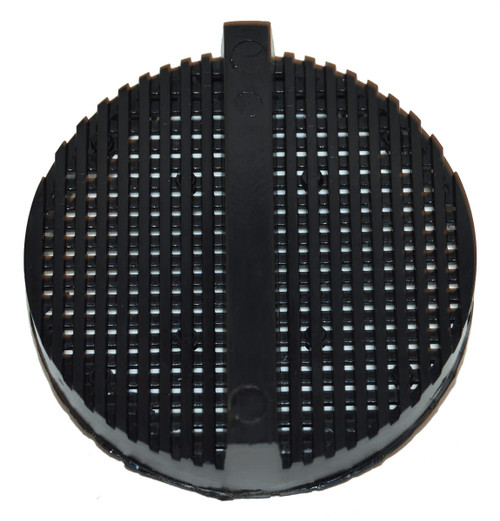
  5. Replacement parts. Match pump tubes, rollers, check valves and injection fittings to the exact pump model.

A quick sizing approach

Start with how much chemical the pool actually uses. If a commercial pool goes through a known number of gallons of liquid chlorine per week, divide by seven for a daily figure, then add margin for heavy weekends, rain and summer heat. Pick a pump where that daily figure falls somewhere in the middle of the rated range at your injection pressure. A pump running at its maximum all day has no reserve to catch up after a bather surge, while a pump that is far oversized doses in big bursts and makes chemistry swing. Acid demand is usually much lower than chlorine demand, so the acid pump is often a smaller model or set to a lower output.

Feeder Type Chemicals Power Strengths Watch For
Peristaltic pump Liquid chlorine, muriatic acid Yes Handles off-gassing chlorine; easy tube changes Tube wear
Diaphragm pump Liquid chemicals Yes Higher pressure; precise strokes Air binding; check valve service
Erosion feeder Trichlor or bromine tablets No Simple; no pump Output varies with flow and fill level
CO2 system Carbon dioxide gas Solenoid only Lowers pH without liquid acid Rising alkalinity; ventilation for gas

Installation and Safety Tips

  • Interlock every feeder with the circulation pump. Chemical feed with no flow can concentrate chlorine and acid in the plumbing and release toxic chlorine gas. Wiring and interlocks should be done by a licensed electrician per NEC Article 680.
  • Inject after the heater and other equipment, as far downstream as practical, so concentrated chemical does not pass through heat exchangers, salt cells or controllers.
  • Separate acid and chlorine injection points with distance in the plumbing as the manufacturer and local code require. Never inject both through the same fitting.
  • Install check valves at injection points so pool water cannot back up into the chemical line.
  • Keep acid and chlorine tanks separated and in secondary containment. See our chemical storage category for more.
  • Route suction and discharge tubing where it cannot be pinched, stepped on or exposed to UV sunlight, and replace it when it hardens.
  • Secure CO2 cylinders upright with a chain or bracket, and ventilate enclosed equipment rooms. CO2 displaces oxygen.
  • Wear chemical splash goggles, gloves and protective clothing when changing tubes or handling chemicals. Flush the pump with water before servicing.

Shopping This Category at HVAC365

HVAC365 carries brand-new feed pumps, erosion feeders, CO2 components and replacement parts with full manufacturer warranty. Product pages list output, pressure ratings, chemical compatibility and control options so you can choose the right pump for the job. Orders ship in 1-2 business days. If you have an existing pump and need the correct tube, roller or check valve, send us the model and we will help match it.

Frequently Asked Questions

Can I use the same pump for chlorine and acid?

Not at the same time. Use separate pumps with tubing rated for each chemical. Never switch a pump between chlorine and acid without fully flushing, because mixing the two releases chlorine gas.

How often should I replace a peristaltic pump tube?

It depends on chemical, run time and pressure. Many service techs replace tubes on a regular schedule rather than waiting for a leak. Follow the pump maker's recommendation.

Why is my pump losing prime with liquid chlorine?

Liquid chlorine off-gasses, which can trap gas in the line. Keep suction lines short, use a foot valve, and use a pump designed for chlorine service, such as a peristaltic pump.

Does CO2 lower alkalinity?

No. CO2 lowers pH but leaves total alkalinity roughly unchanged or slowly rising. Pools on CO2 often need occasional acid to manage alkalinity.

Where should I inject chemicals?

After the filter and heater, at separate points for acid and chlorine, with check valves. Follow the equipment manufacturer's instructions and local code.

Do I need a controller to use a feed pump?

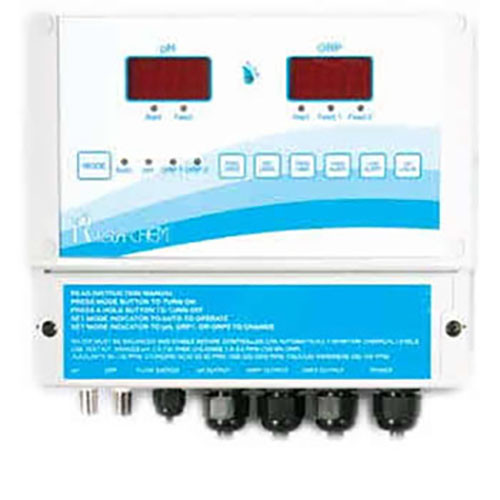
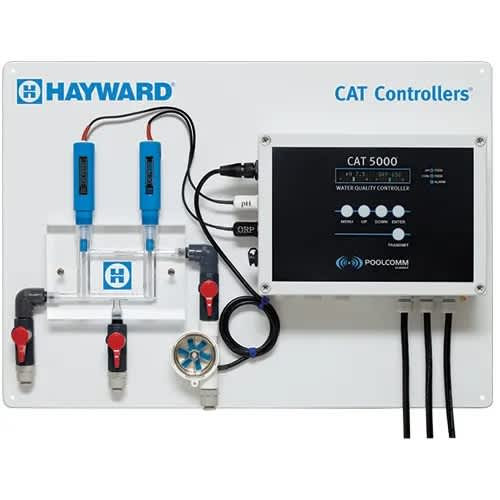
No. A feed pump can run on a timer or automation relay. A controller adds real-time ORP and pH control, which is often required on commercial pools.

Compare
Show: 12 24 48

Fast Shipping

Easy Returns

Warranty Coverage

Financing Available