null
Commercial Pool Pumps

Commercial Pool Pumps

Commercial pool pumps do the same job as residential pumps, but on a different scale and under different rules. A hotel pool, HOA, apartment complex, school natatorium, water park feature or health club spa can run 24 hours a day, every day, with health department turnover requirements, flow meters on the wall and an inspector checking the logbook. When a commercial pump goes down, the pool often has to close until it is back, so these pumps are bought on reliability, serviceability and documented performance more than on purchase price.

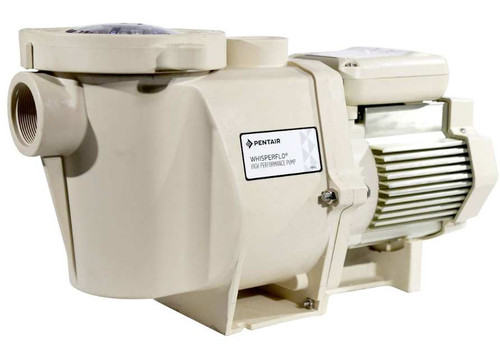
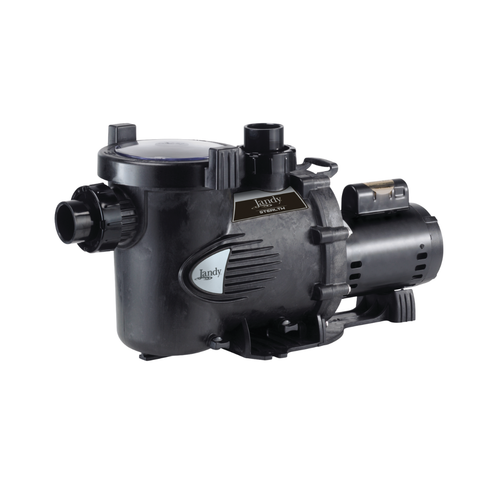
This category covers commercial-duty centrifugal pumps from brands such as Pentair and Hayward, including high-head and high-flow models, large strainer-pot pumps, three-phase and single-phase motor options, and commercial variable-speed pumps. Buyers are commercial pool service companies, facility maintenance staff, aquatic engineers and pool builders. Installation on commercial systems should follow the approved engineering plans and local health code, and electrical work must be done by a licensed electrician.

How Commercial Pool Pumps Work

A commercial pool pump is an end-suction centrifugal pump. Water enters through a large strainer basket that catches hair, leaves and debris, then flows into the eye of a spinning impeller. The impeller throws the water outward into the volute, building pressure that pushes it through the filters, heaters, chemical feeders and back to the pool through the return inlets.

What makes these pumps different from residential units:

  • Larger hydraulics. Bigger impellers, larger ports (often 3, 4 or 6 inch on larger models) and larger strainer baskets to handle high flow without a big pressure drop.
  • Heavier construction. Thicker housings, heavier bases, cast iron or reinforced thermoplastic bodies, and motors built for continuous duty.
  • Three-phase power options. Many larger commercial pumps run on three-phase power, which is more efficient for big motors and easier on the motor at startup.
  • Serviceability. Back pull-out designs on many models let a tech remove the motor and impeller without disturbing the plumbing.
  • Documented pump curves. Engineers size commercial systems from flow-versus-head curves, so these pumps come with detailed performance data and certifications such as NSF/ANSI 50 for commercial use.

Signs a Commercial Pump Needs Repair or Replacement

  • Flow meter reading below the required turnover rate. Check for a dirty strainer, a loaded filter, closed valves or an air leak first. If those are fine, look at impeller wear or blockage.
  • Bearing noise or vibration. Commercial motors run constantly, so bearings are a common wear item. Catch it early to avoid seizing the shaft.
  • Seal leaks. Water dripping between the pump and motor means the mechanical seal is failing. Left alone, it floods the motor bearings.
  • Cavitation. A gravel-like noise, pitting on the impeller and unstable gauge readings usually mean the suction side is restricted or the pump is oversized for the system.
  • Overheating motor or tripped overloads. Can point to voltage imbalance on three-phase power, a failing motor, poor ventilation, or the pump running too far out on its curve.
  • Cracked housing or failing strainer lid. Age, UV and chemical exposure eventually take a toll, especially on older plastic parts in hot equipment rooms.
  • Repeated repairs on an aging pump. When the motor, seal and impeller are all due, replacing the whole unit is often the better move.

How to Choose a Commercial Pool Pump

On a commercial replacement, the safest choice is to match the engineered design: the same flow at the same total dynamic head the plans call for. Start there and work through these points.

  1. Required flow rate. Health codes set a maximum turnover time, which can be 6 hours or less for pools and much shorter for spas and wading pools. Pool volume divided by turnover time gives the minimum flow. Check your state and local code.
  2. Total dynamic head. Read the existing gauges or the design documents. Commercial systems with sand or cartridge filters, heaters, long pipe runs and below-grade equipment rooms can run high head. Pick a pump whose curve delivers the needed flow at that head, ideally near its best efficiency point.
  3. Motor horsepower and power supply. Confirm single-phase or three-phase, voltage (208, 230, 460 V and so on) and amperage. A licensed electrician should verify the supply and starter or overload protection.
  4. Port size and plumbing layout. Match the inlet and outlet sizes and the shaft centerline height if the pump has to fit into existing piping.
  5. Certifications. Commercial pools usually require NSF/ANSI 50 listed equipment. Confirm the model meets your local code before ordering.
  6. Variable-speed options. Commercial variable-speed pumps can hold a constant flow as the filter loads, which helps meet turnover requirements while cutting energy use. Check that the controls meet the facility's code and inspector expectations.
  7. Strainer basket capacity. High-bather-load pools collect more hair and debris. A larger basket means less frequent cleaning.
Facility TypeTypical PrioritiesWhat to Confirm
Hotel or apartment poolReliability, quiet running, 24/7 dutyTurnover time per code, single or three-phase supply, NSF/ANSI 50 listing
HOA or community poolServiceability, parts availabilityDesign flow and head, port size, strainer capacity
Commercial spa or hot tubFast turnover, heater flowShort turnover requirement, heater minimum flow, chemical feed integration
Water feature or fountainHigh flow at specific headPump curve match, debris handling, nozzle or weir flow needs
School or competition poolHigh flow, large volumeEngineered flow and head, multiple-pump arrangement, three-phase power

Installation and Safety Tips

  • Follow the approved plans. Many jurisdictions require a permit or health department approval for changes to commercial pool equipment. A like-for-like swap is usually simpler than a resize, but confirm with the local authority.
  • Licensed electrical work only. NEC Article 680 governs pool equipment wiring, including GFCI requirements, disconnects and equipotential bonding with a solid copper conductor of at least 8 AWG to the motor's bonding lug. Three-phase motors also need correct rotation, so bump-test before running.
  • Check rotation on three-phase. A three-phase pump running backwards will move some water but far below its rating. Swap two legs to correct it, done by the electrician.
  • Support the piping. Large-diameter pipe is heavy. Support it independently so the pump housing isn't carrying the load.
  • Prime before startup. Fill the strainer pot completely. Never run the seal dry.
  • Protect suction outlets. Commercial pools must meet the Virginia Graeme Baker (VGB) Act, with compliant drain covers and anti-entrapment protection. A larger pump means more suction, so confirm the covers are rated for the new flow.
  • Lockout and tagout. Lock out power at the disconnect before opening the strainer pot or working on the pump.
  • Record baseline readings. Log suction and discharge pressure and flow at startup. Those numbers are your reference for future troubleshooting.

Shopping This Category at HVAC365

All commercial pumps in this category are brand-new with the full manufacturer warranty. Each product page lists horsepower, phase, voltage, port size and available performance data so you can compare against your plans. Most items ship in 1-2 business days. If you are replacing an existing commercial pump, send HVAC365 the nameplate and model number and we can help you find a matching or approved replacement.

Frequently Asked Questions

Can I use a residential pump on a commercial pool?

Generally no. Commercial pools usually require NSF/ANSI 50 listed equipment sized to meet health code turnover rates and continuous duty. Residential pumps are not built or listed for that service.

Should I upsize when replacing a commercial pump?

Only with a reason backed by the numbers. An oversized pump can cause cavitation, exceed the filter's design flow, increase velocity through suction covers past their ratings and waste energy. Match the design flow and head unless an engineer recommends a change.

Are variable-speed pumps allowed on commercial pools?

In many areas yes, and they are increasingly common. Some codes require the pump to maintain the minimum turnover flow at all times or have a flow meter to prove it. Check local requirements.

What is a back pull-out pump?

A design where the motor, seal plate and impeller come out as one assembly while the volute stays bolted to the piping. It makes seal and motor service much faster.

Why does my three-phase pump trip its overloads?

Common causes include voltage imbalance between legs, a lost phase, overloads set wrong for the motor's full-load amps, a failing motor, or the pump running out on its curve. Have an electrician measure voltage and current on each leg.

How often should commercial pump seals be replaced?

It depends on run hours, water chemistry and how often the pump runs dry. Many service companies replace seals whenever the pump is opened for other work, and inspect for drips during routine visits.

Compare
Show: 12 24 48

Fast Shipping

Easy Returns

Warranty Coverage

Financing Available