null
Spa Equipment

Spa Equipment

A spa packs a lot of equipment into a small body of water. Hotter water, higher bather load, powerful jets, air injection and frequent on and off cycles all put more stress on pumps, seals, heaters, controls and fittings than a pool ever sees. That is why spa parts wear out faster and why matching the right replacement matters so much. A jet that does not fit the existing body, a pump with the wrong frame or a topside that does not talk to the control pack turns a simple repair into a second trip.

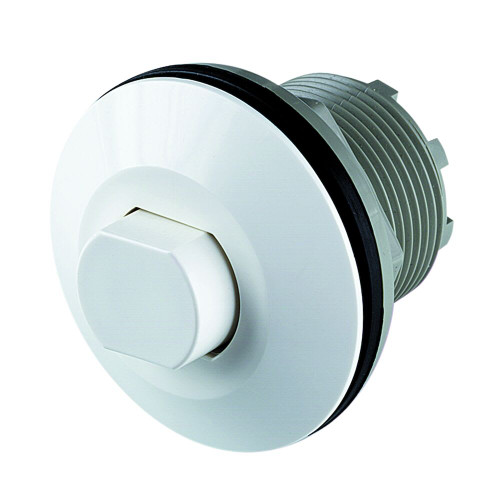
This category is the starting point for spa equipment at HVAC365. It covers spa pumps and circulation pumps, spa jets and jet internals, air blowers, air buttons and switches, topside control panels and overlays, and related parts for in-ground spas attached to pools and for portable hot tubs. Pool and spa service techs, hot tub repair companies, builders and spa owners shop here, from Waterway, CMP, Hayward, Jandy, Pentair and others. Use the subcategories to go straight to the part you need, or read on for an overview of how the system fits together.

How a Spa System Works

There are two broad kinds of spas, and the equipment differs between them.

  • In-ground spas attached to a pool usually share the pool's filter pump, filter, heater and automation. Valve actuators switch suction and return to the spa in spa mode. Many add a separate jet booster pump and an air blower, with spa-side buttons or remotes for control.
  • Portable hot tubs and self-contained spas have their own equipment bay: one or two jet pumps, often a small circulation pump, an electric heater, a blower in some models, and a control pack with a topside panel that runs everything.

In either style, the key parts are:

  • Pumps. Jet pumps move high volumes of water through the jets for hydrotherapy. Two-speed pumps run low speed for filtration and heating and high speed for jets. Circulation pumps are small, quiet pumps that run for long periods to filter and heat.
  • Jets. Jet bodies glued into the plumbing hold removable internals that set the spray pattern, direction and air mix. Many jets draw air through a venturi for a stronger massage feel.
  • Air blowers. Blowers push air through air channels or injectors in the floor or seats for bubble effects. They need protection against water backing into the motor.
  • Controls. On portable spas, a control pack with a topside panel runs pumps, heater, blower, lights and filtration cycles. On pool and spa combos, automation or air buttons do the same job.

Signs Spa Equipment Needs Attention

  • Weak jets, which can come from a dirty filter, a pump losing performance, air leaks on the suction side or clogged jet internals.
  • Pump noise or leaks. Screeching bearings or water dripping at the seal plate are classic pump failure symptoms.
  • Blower runs but no bubbles, or the blower trips a breaker. Water may have backed into the blower, or the air line is blocked.
  • Topside panel errors or dead buttons. Cracked overlays, failed membranes or communication faults to the control pack.
  • Cracked or missing jet faces, broken eyeballs or jets that will not turn off.
  • Air buttons that do nothing, commonly from a split air tube or a worn air switch.

How to Choose the Right Spa Parts

  1. Know the spa type. In-ground spa attached to a pool, or portable hot tub. That decides which equipment platform you are working with.
  2. Collect model and part numbers. Pump label, motor nameplate, jet face markings, control pack and topside model. Most spa parts are cross-referenced by OEM number.
  3. Measure what is installed. Jet face diameter and shell hole size, pump union size, discharge position, blower air outlet size and voltage all matter.
  4. Match voltage and amps. Spa equipment comes in 115 V and 230 V versions, and portable spa control packs are wired for specific loads.
  5. Stay within the brand family for jets and topside panels. Jet internals and control panels are rarely interchangeable across brands.
Subcategory What It Covers Key Selection Data
Spa Pumps Jet pumps, two-speed pumps, circulation pumps Frame size, HP, voltage, speeds, union size, discharge position
Spa Jets Jet bodies, internals, eyeballs, faces Brand, face diameter, shell hole size, jet style
Spa Air Blowers Blowers for bubble and air features HP, voltage, heated or unheated, air outlet size
Spa Air Buttons and Switches Pneumatic buttons, air switches, tubing Latching or momentary, amp rating, tube size
Spa Control Panels and Overlays Topside panels and overlay membranes Control pack brand and model, panel shape and button layout

Repair or Replace?

On a spa that is otherwise sound, individual component replacement is almost always worth it: a pump, a blower, a set of jet internals or a topside panel brings the spa back to full function at a fraction of the cost of a new tub. The calculation changes when the shell is cracked, the cabinet and frame are rotted, the insulation is waterlogged or several major components are failing at once on an older portable spa. In those cases, put the parts list next to the age and condition of the spa and decide whether the money is better spent on a replacement.

Installation and Safety Tips

  • Turn off power at the breaker before opening the spa equipment bay or working on any pump, blower or control pack.
  • Use a licensed electrician for spa wiring, GFCI protection, bonding and disconnects. NEC Article 680 has specific requirements for spas and hot tubs, including GFCI protection and a disconnect located within sight but a minimum distance from the water.
  • Follow suction safety rules. Spa suction outlets must meet the VGB Act and ANSI/APSP-16 standards, and spas with a single suction outlet may need additional safety measures. Never run a spa with a missing or broken suction cover.
  • Prime pumps before running. Running a spa pump dry can ruin the shaft seal in minutes.
  • Protect blowers from water. Use a check valve and a Hartford loop or other manufacturer-specified method so water cannot reach the blower motor.
  • Handle chemicals carefully. Spa water chemistry is more concentrated than a pool, and imbalanced water eats seals, heaters and jet parts.

Shopping This Category at HVAC365

All spa equipment at HVAC365 is brand-new with the full manufacturer warranty. Each product page lists specs such as frame size, horsepower, voltage, dimensions and compatible models. In-stock items ship in 1-2 business days. If you are matching a part on an older spa and are not sure of the brand or size, send us photos and the model numbers you can find, and we will help you narrow it down.

Frequently Asked Questions

What is the difference between a spa pump and a pool pump?

Spa jet pumps are designed for high flow to the jets at relatively compact sizes, often with flooded suction in a portable spa equipment bay. Pool pumps usually include a strainer basket and are optimized for long run times through a filter. They are not usually interchangeable without plumbing changes.

Can I mix jet brands in my spa?

Jet internals must match the jet bodies already in the shell. Mixing faces from different brands in the same seat area may be possible if you replace the entire jet, but you cannot drop one brand's internal into another brand's body.

Why does my spa blower trip the breaker?

Water in the blower is a common cause, often because the check valve failed or the air line has no Hartford loop. A failing motor or a damaged cord can also trip GFCI protection. Have a qualified tech check it before resetting repeatedly.

How do I find my portable spa's control pack model?

Open the equipment bay and look for the label on the control box, or check the back of the topside panel. The brand and model number are needed to match a replacement panel or overlay.

Do in-ground spas need a separate pump?

Not always. Many attached spas run on the pool's filter pump in spa mode. A dedicated jet booster pump adds stronger hydrotherapy and is common on higher-end builds.

How often should spa equipment be serviced?

Check pumps for leaks and noise, clean filters regularly, inspect jets and air lines, and keep water balanced. Spa equipment works hard, so an annual inspection by a qualified tech catches small problems before they become failures.

Compare
Show: 12 24 48

Fast Shipping

Easy Returns

Warranty Coverage

Financing Available