Description
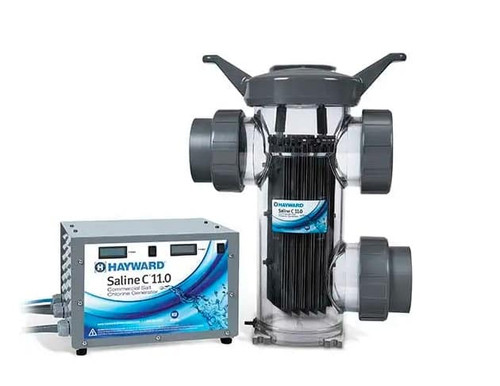
Commercial salt chlorine generator designed for pool sanitation, the Saline C 6.0 produces up to 6 pounds of chlorine per day. It is intended for commercial pool installations where a compact single-cell system is preferred over multiplexed residential units. The unit pairs a single electrolytic cell with an external power supply for straightforward installation and operation.
Quick Answer: What Is the Hayward HCSC60?
The Hayward HCSC60 is a salt chlorine generator: Hayward Saline C 6.0 Commercial Salt Chlorine Generator. It is brand new, ships in 1-2 business days, and is backed by the Hayward manufacturer warranty.
Hayward HCSC60 Specifications
| Brand | Hayward |
|---|---|
| Equipment Type | Salt Chlorine Generator |
| Model Number | HCSC60 |
| Pool Size | 60,000 gal |
| Pool Type | In-Ground |
| Voltage | 120 V |
| Product Line | Saline C 6.0 |
Key Features
- Produces up to 6 lb of chlorine per day
- Single electrolytic cell, compact footprint
- External 120V/60Hz switch-mode power supply
- Industrial-grade clear cell vessel for inspection
- Plug-and-play chemical automation compatible
- Reduces chloramines, odors, and corrosion
- NSF/ANSI Standard 50 certified
How It Works
A salt chlorine generator converts dissolved salt into chlorine through electrolysis. Water passes through the cell, where coated titanium plates split salt into chlorine that sanitizes the pool, then the chlorine reverts to salt. The control unit sets output, monitors salt level, flow and temperature, and reverses polarity to reduce scale on the plates.
How to Choose the Right Salt Chlorine Generator
- Size the cell to at least your pool volume; many pros choose one size larger for hot climates and heavy use.
- Match replacement cells to the control board and cell model they are designed for.
- Confirm whether unions, flow switch and power supply are included.
- For zinc anodes, choose the style (inline, skimmer or equipment) that fits your system.
If you are replacing an existing part, the fastest way to confirm compatibility is to match the brand and model number on the old equipment. Send us the model number or a photo of the label and our team will help confirm the HCSC60 is the right fit before you order.
Installation and Safety
Install the cell after the filter and heater as the last piece of equipment before water returns to the pool. Power supplies require line-voltage wiring and bonding by a licensed electrician or qualified pool professional per NEC Article 680.
Maintenance Tips
- Keep salt within the manufacturer's range and test it monthly.
- Inspect the cell for scale every few months and clean with the manufacturer-approved method only when needed.
- Keep pH and calcium hardness balanced to reduce scaling.
- Track cell hours; cells are consumable and lose output toward end of life.
What's Included
This listing is for the Hayward HCSC60 as described in the specifications above. Plumbing, wiring, unions and accessories are not included unless they are listed in the product name or specifications.
Built for Homeowners, Pool Pros and Property Managers
- Homeowners: match your existing model number, then reach out if you want a second set of eyes on compatibility before you order.
- Pool service pros and builders: order quickly, track every shipment, and reorder common parts for your routes and builds.
- Property managers and commercial pools: standardize equipment across properties and plan replacements with help from our team.
White Paper
Frequently Asked Questions About the Hayward HCSC60
How long does a salt cell last?
Most cells are rated in operating hours and typically last several seasons; balanced water and proper sizing extend life.
Do I still need to test chlorine?
Yes. Test free chlorine, pH and salt regularly and adjust output as needed.
Can I add salt to any pool?
Most pools can use salt chlorination, but check equipment, natural stone and metal components for salt compatibility.
Is this the genuine Hayward part?
Yes. It is brand new Hayward equipment (model HCSC60) covered by the manufacturer warranty. Warranty terms vary by product and application; see the manufacturer documentation or ask our team.