

Description
Product Summary
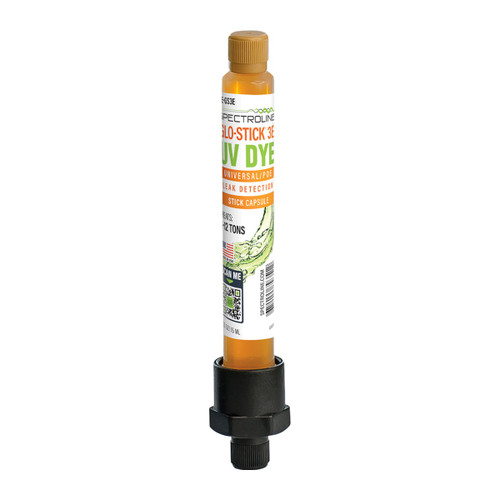
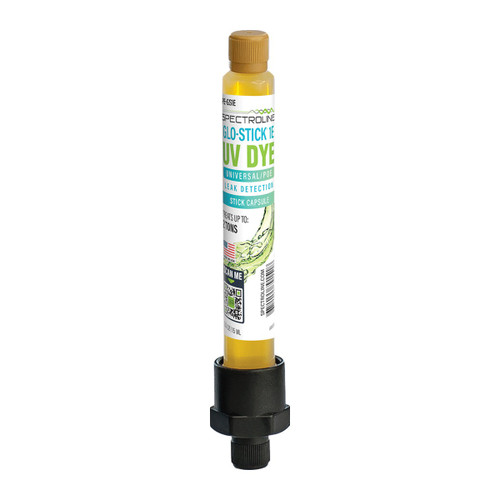
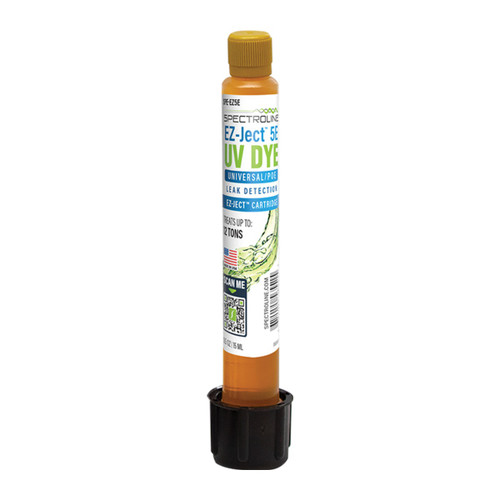
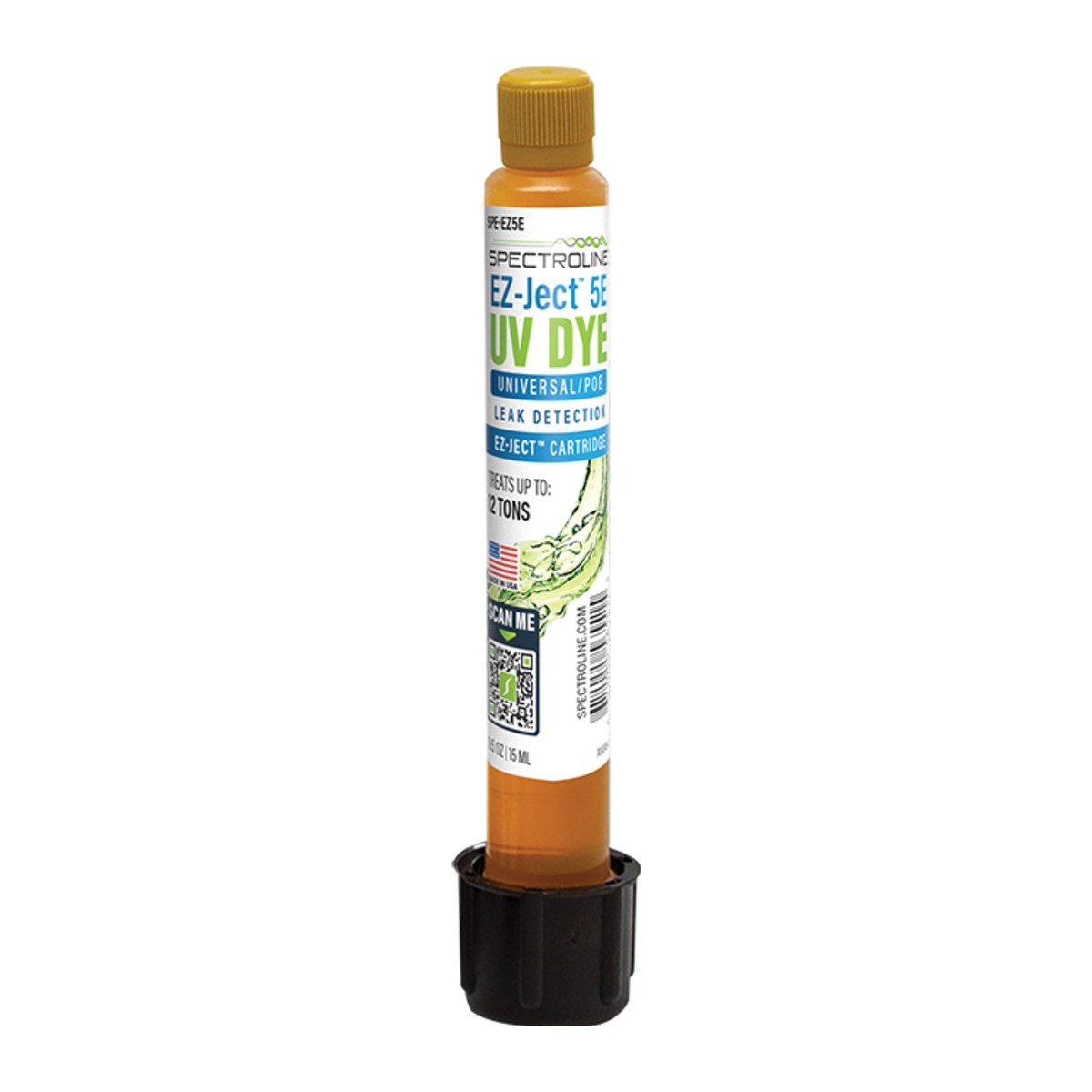
The Spectroline EZ-Ject cartridge (SPE-EZ5E-CS) is a 0.5 oz cartridge of universal fluorescent leak detection dye for air conditioning and refrigeration systems. It works with mineral oil and POE lubricants and is used with the EZ-Ject injector to add dye to a running system through the service port.
Each cartridge treats up to 2 gal of lubricant, 25 lb of refrigerant or 12 tons of cooling capacity. The dye is co-solvent free and overcomes system pressure, so it goes in cleanly without adding solvents to the system. Once it circulates, any leak glows under a violet or UV lamp.
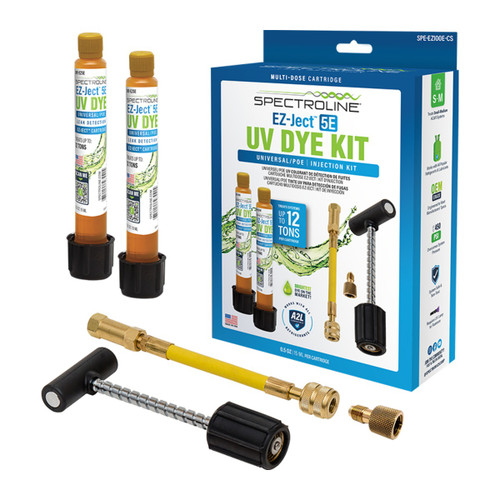
Before you order, make sure you have an EZ-Ject injector, or choose a kit that includes one. If you are not sure which dye fits your system, call us at 1.888.509.3391 and we will help.
Key Features
- Dye amount: 0.5 oz universal fluorescent dye
- Treats: Up to 2 gal of oil, 25 lb of refrigerant or 12 tons
- Formula: Co-solvent free, for mineral oil and POE systems
- Genuine Spectroline part: Part number SPE-EZ5E-CS, factory new
Frequently Asked Questions
Is this a genuine Spectroline product?
Yes. This is the Spectroline SPE-EZ5E-CS, factory new from Spectroline, the leak detection brand of Spectronics Corporation.
How does fluorescent dye leak detection work?
The dye mixes with the oil and circulates through the system. Wherever refrigerant and oil escape, the dye is carried out with them and glows brightly under a violet or UV leak detection lamp, which shows the exact location of the leak.
Do I need special tools to use this cartridge?
Yes. It is designed for the Spectroline EZ-Ject injector, which threads the cartridge onto the service port for a clean injection.
What lamp do I need to see the dye?
Use a violet or UV leak detection lamp, such as the Spectroline Violet Light LED flashlight, along with fluorescence-enhancing glasses for the brightest results.
Should a professional use this product?
Yes. Adding dye or sealant to a refrigerant circuit should be done by a qualified, certified technician following the equipment manufacturer's instructions and the codes and refrigerant handling rules that apply where you work.