


Description
Looking for a dependable pool pump? The Jandy JCP (Jandy Commercial Polymer) JCP15-3AT-S combines proven Jandy engineering with the specifications you need to size it correctly. It features a 15 HP motor and 6 suction / 4 discharge (ANSI Class 150 flange) in connections and is suited to commercial pools.
The Jandy JCP is a commercial polymer (glass-filled PPO) end-suction pump with a 6 in suction / 4 in discharge flange, offered 5-15 HP; '-S' models include a self-priming strainer pot. In this guide we break down how pool pumps work, how to size one with simple turnover math, what to know about energy rules and electrical requirements, and how to keep your pump running quietly for years.
Quick Answer: What Is the Jandy JCP (Jandy Commercial Polymer) JCP15-3AT-S?
The Jandy JCP (Jandy Commercial Polymer) JCP15-3AT-S is a commercial pool pump rated at 15 HP running on 208-230/460V 3-Phase with 6 suction / 4 discharge (ANSI Class 150 flange) in plumbing connections. It is a straightforward, fixed-speed design that is simple to install and operate.
Jandy JCP (Jandy Commercial Polymer) JCP15-3AT-S Specifications
| Brand | Jandy |
|---|---|
| Equipment Type | Commercial Pool Pump |
| Model Number | JCP15-3AT-S |
| Product Line | JCP (Jandy Commercial Polymer) |
| Horsepower (HP) | 15 |
| Voltage / Phase | 208-230/460V 3-Phase |
| Motor Speed | Single Speed |
| Connection Size (in) | 6 suction / 4 discharge (ANSI Class 150 flange) |
| Pool Type | Commercial |
| Max RPM | 3500 |
| Certifications | NSF/ANSI 50, UL 1081, CAN/CSA C22.2 No. 108 |
Key Features of the Jandy JCP (Jandy Commercial Polymer) JCP15-3AT-S
- 15 HP three-phase motor, 215 JM frame, inverter-ready (Class H insulation)
- 6 in suction and 4 in discharge ANSI Class 150 flanges
- Includes strainer pot with radial-seal lid and integrated relief valve (self-priming)
- Corrosion-proof 30% glass-filled polymer body with stainless hardware
- NEMA premium-efficiency motors on 3-phase models
- Drop-in replacement for competitive commercial pumps (EQ, C, CSP series)
How a Pool Pump Works
A pool pump pulls water from the skimmers and main drain, passes it through a strainer basket that catches leaves and debris, and then pushes it through the filter, heater and sanitizer before returning it to the pool. Inside, an electric motor spins an impeller; the faster it spins, the more water it moves and the more pressure it can overcome.
That pressure is called total dynamic head (TDH). Every foot of pipe, every elbow, the filter and the heater add resistance. A typical residential pool plumbing system falls somewhere around 40 to 60 feet of head, which is why a pump's real-world flow is always lower than its open-flow maximum. Matching the pump to your plumbing, not just your pool size, is the key to quiet, efficient circulation.
Single- and two-speed pumps run at fixed speeds. They are simple and inexpensive up front, but they use more energy than variable-speed pumps for daily filtration. Check local rules before replacing an in-ground filtration pump with a fixed-speed model.
How to Size a Pool Pump
Pool pumps are sized by flow, measured in gallons per minute (GPM). The goal is to circulate, or turn over, the full volume of the pool in a set time. Many residential pools target one turnover every 8 hours; commercial pools often require 6 hours or less by code. The formula is simple: required GPM = pool gallons / (turnover hours x 60).
| Pool volume | 8-hour turnover | 6-hour turnover |
|---|---|---|
| 10,000 gal | 21 GPM | 28 GPM |
| 15,000 gal | 31 GPM | 42 GPM |
| 20,000 gal | 42 GPM | 56 GPM |
| 25,000 gal | 52 GPM | 69 GPM |
| 30,000 gal | 62 GPM | 83 GPM |
| 40,000 gal | 83 GPM | 111 GPM |
To estimate pool volume, multiply length x width x average depth in feet, then multiply by 7.5 for rectangular pools (or by about 5.9 for round pools using diameter x diameter x depth).
Then check the rest of the pad: the pump's flow should not exceed the maximum flow rating of your filter, heater or salt cell, and the pipe size should match the pump ports. Oversizing a pump wastes energy and can push water through the filter too fast. If you are replacing an existing pump, matching the horsepower and port size is a good starting point, and our team can help you confirm the right fit.
Good, Better, Best: Where the Jandy JCP (Jandy Commercial Polymer) JCP15-3AT-S Fits
At HVAC365 we organize every category into a simple Good, Better, Best framework so you can compare options without wading through jargon. Within our commercial pool pump lineup, this model sits in the Best tier: Advanced comfort with future-ready tech.
The Best tier delivers top efficiency, premium controls and the most advanced features in its category. It is designed for smart homes, high-end renovations, direct-to-consumer buyers who want the best experience, and government or commercial installs that demand long-term performance.
Not sure the Best tier is right for you? Compare it with the Good and Better options in the same category. Whatever tier you choose, the equipment is brand new and covered by the full manufacturer warranty, and our team is here to help you weigh features against budget.
Installation, Electrical and Energy Rules
Pool pumps should be installed on a level pad near the pool, below or close to water level when possible, with the correct pipe size on the suction and return sides. Electrical work must follow the manufacturer's instructions and the National Electrical Code, including GFCI protection and proper bonding. Professional installation by a licensed pool contractor or electrician is recommended. This model is rated for 208-230/460V 3-Phase.
Since July 2021, U.S. Department of Energy efficiency standards for dedicated-purpose pool pumps have pushed most new residential in-ground filtration pumps toward variable-speed technology, and some states add their own rules. Many utilities also offer rebates for qualifying variable-speed pumps, so check with your local provider before you buy.
Maintenance Tips
- Empty the strainer basket weekly, or more often during leaf season.
- Keep the lid O-ring clean and lightly lubricated with a silicone-based lubricant to prevent air leaks.
- Watch the filter pressure gauge; rising pressure means it is time to clean the filter, which also helps the pump.
- Listen for changes. Grinding or screeching can point to worn bearings, and bubbles in the basket usually mean an air leak on the suction side.
- Keep the motor dry, shaded and clear of debris, and make sure vents are not blocked.
- In freezing climates, drain the pump and plumbing or run freeze protection before winter.
Choosing a Pump for Your Climate
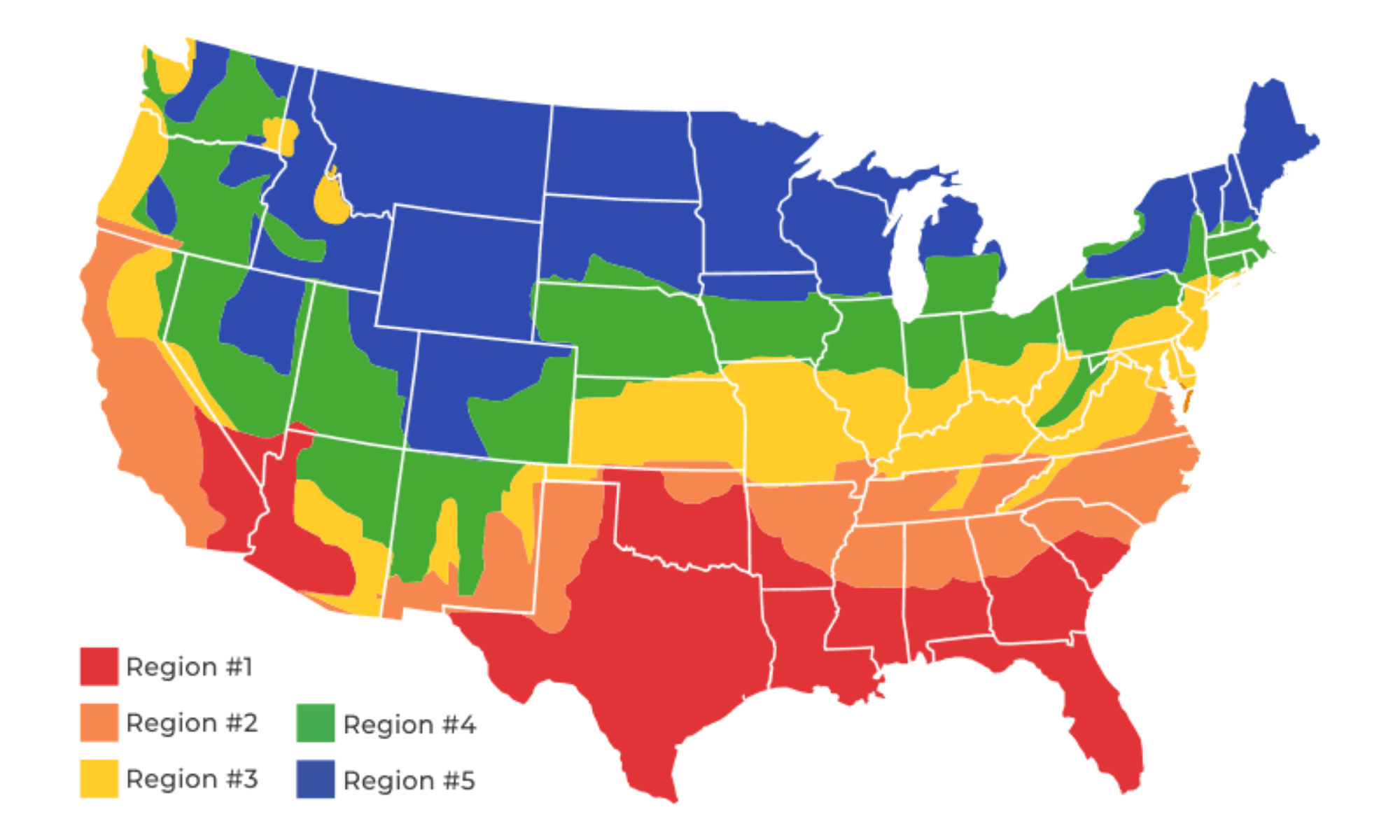
In the South and Sun Belt, including Florida, Texas, Arizona and Southern California, pools often run year-round and pumps log thousands of hours a year. That is where variable-speed savings add up fastest. Heat and heavy bather loads also demand steady circulation for sanitizer to work well. In northern states, the season is shorter, but pumps still need to handle spring openings, heater operation and freeze protection. Wherever you live, a pump that is sized correctly and programmed well is one of the best ways to cut the cost of owning a pool.
What's Included and Compatibility
- Pump with strainer pot
Ideal for:
- Commercial pools, water parks and large aquatic facilities
- VFD-driven commercial circulation systems
- Retrofits of competitive commercial end-suction pumps
Built for Homeowners, Contractors and Property Managers
- Homeowners: use our sizing tools and the pool math on this page, then reach out with your pool size, location and existing equipment. We will help you confirm the right model before you order.
- Contractors and installers: order in two clicks, follow every shipment with live tracking, and reorder common parts from the HVAC365 Contractor Portal. We know the labor shortage is real, so we focus on getting the right part to the job the first time.
- Property managers: manage equipment for multiple properties from one dashboard and book a strategy call with our team to standardize models, plan replacements and control maintenance costs.
Frequently Asked Questions About the Jandy JCP (Jandy Commercial Polymer) JCP15-3AT-S
What size pool is the Jandy JCP (Jandy Commercial Polymer) JCP15-3AT-S for?
Use the turnover table above and your plumbing size to confirm the fit, or ask us to check it for you.
Is a variable-speed pump worth it?
For most in-ground pools, yes. Running at lower speeds for longer can cut pump energy use dramatically, many pumps qualify for utility rebates, and federal efficiency rules now favor variable-speed models for most residential filtration pumps.
What voltage does this pump use?
208-230/460V 3-Phase. Have a licensed electrician confirm your circuit and breaker size.
Can I replace my old pump with this one?
Usually, if the port size, horsepower range and voltage are compatible with your pad. Send us the model number on your current pump's label and we will confirm.
How many hours a day should I run my pool pump?
Enough to achieve at least one full turnover per day, which for most residential pools means about 8 to 12 hours at low speed with a variable-speed pump. Hot weather and heavy use may call for more.
Videos
-

This Is Your Sanctuary: Transform Your Backyard Oasis | HVAC365.com
Create your own sanctuary without leaving home. This video sho...
-
Creating the Perfect Pool Experience with Jandy (Fluidra) | HVAC365.com
Dive into the elements that make a pool more than just water—i...
-
Designing Spaces: Think Green with Zodiac - Jandy Pool Systems by Florida | HVAC365.com
Go green with your pool! This Designing Spaces episode feature...