


Description
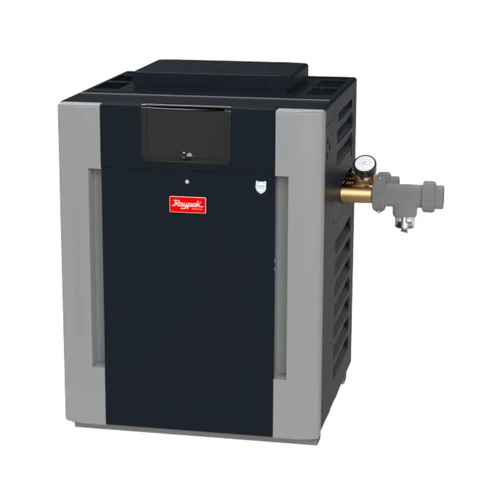
Extend your swimming season and heat your spa on demand with the Raypak Digital P-R266A-EN-C. Rated at 266,000 BTU per hour input with 82% thermal efficiency, it runs on natural gas.
Raypak Digital heaters are Category I gas pool and spa heaters with a copper fin-tube heat exchanger, electronic ignition, polymer headers and self-diagnostic digital controls, rated 82% thermal efficiency. Below we explain how gas pool heaters work, how to size one, what to expect for heat-up times, and what goes into a safe installation.
Quick Answer: What Is the Raypak Digital P-R266A-EN-C?
The Raypak Digital P-R266A-EN-C is a natural gas pool and spa heater with 266,000 BTU/hr input and about 218,120 BTU/hr of heat delivered to the water at 82 percent efficiency. Gas heaters warm water quickly in any weather, making them ideal for spas, occasional heating and cooler climates.
Raypak Digital P-R266A-EN-C Specifications
| Brand | Raypak |
|---|---|
| Equipment Type | Natural Gas Pool Heater |
| Model Number | P-R266A-EN-C |
| Product Line | Digital |
| Input (BTU) | 266,000 |
| Fuel Type | Natural Gas |
| Thermal Efficiency | 82% |
| Heat Exchanger | Copper |
| Ignition | Electronic |
| Low NOx | No |
| ASME Certified | No |
| Voltage / Phase | 120/240V 1-Phase |
| Warranty | 2 years limited |
Key Features of the Raypak Digital P-R266A-EN-C
- Copper fin-tube heat exchanger
- Low-profile galvanized metal cabinet with corrosion-resistant finish
- LCD digital controls with self-diagnostics
- Electronic ignition
- Polymer headers with 2 in PVC plumbing connections
- Unitherm governor protects against condensation
- ProTek Shield module; high-wind resistant; installs on combustible surfaces
How a Gas Pool Heater Works
Pool water from the filter flows through a heat exchanger, a bank of tubes typically made of copper or cupro-nickel. Below it, burners fire natural gas or propane, and the hot combustion gases pass over the tubes, transferring heat to the water before it returns to the pool. An electronic ignition lights the burners only when the thermostat calls for heat, and safety switches confirm water flow, pressure and temperature before firing.
Because a gas heater creates its own heat rather than pulling it from the air, it works the same on a cold morning as on a warm afternoon. That makes it the go-to choice for spas, for pools that are heated only on weekends, and for northern climates with cool spring and fall weather.
How to Size a Gas Pool Heater
It takes about 8.33 BTU to raise one gallon of water by one degree Fahrenheit. So the basic formula is: BTU needed = gallons x 8.33 x temperature rise. Divide that by the heater's output (input BTU x efficiency) to estimate heat-up time.
Here is what the 218,120 BTU/hr of delivered heat means in practice. These estimates assume no heat loss, so real times will be longer, especially in wind or without a cover.
| Body of water | Estimated heat-up time |
|---|---|
| 10,000 gal pool, +10 F | 3.8 hours |
| 15,000 gal pool, +10 F | 5.7 hours |
| 20,000 gal pool, +10 F | 7.6 hours |
| 30,000 gal pool, +10 F | 11.5 hours |
| 400 gal spa, +30 F | 27 minutes |
For pools, surface area matters as much as volume, because most heat is lost from the surface through evaporation. Wind, shade and cool nights all increase the load. A solar cover is the single most effective way to cut heat loss and gas use. If you heat the pool only occasionally or want fast spa heat, choose a larger heater; if you maintain a steady temperature, a heater sized to your surface area and climate works well. Our team can help you balance heat-up speed and operating cost.
Good, Better, Best: Where the Raypak Digital P-R266A-EN-C Fits
At HVAC365 we organize every category into a simple Good, Better, Best framework so you can compare options without wading through jargon. Within our gas pool heater lineup, this model sits in the Good tier: Essential features at a great value.
The Good tier is built around affordability and simplicity. You get dependable, proven equipment without paying for extras you may never use. It is the smart pick for first-time buyers, straightforward replacements, and bulk B2B or government purchases where consistent, budget-friendly specs matter most.
Not sure the Good tier is right for you? Compare it with the Better and Best options in the same category. Whatever tier you choose, the equipment is brand new and covered by the full manufacturer warranty, and our team is here to help you weigh features against budget.
Installation and Gas Requirements
Gas heaters must be installed by a qualified professional following the manufacturer's manual and local codes. That includes correctly sized natural gas supply piping and regulator, proper clearances from walls, windows and overhangs, venting for indoor installations, and electrical connections (120/240V 1-Phase). The heater is plumbed after the pump and filter, and before any chlorinator, so concentrated sanitizer never flows through the heat exchanger.
Gas line size depends on the heater's BTU input and the distance from the meter or tank, so have your installer confirm it before the project starts. Many areas require a permit for gas work.
Maintenance Tips
- Keep water chemistry balanced. Low pH and high chlorine are the leading causes of heat exchanger corrosion.
- Keep the area around the heater clear of leaves, mulch, plants and debris, and keep insects and rodents out of the burner area.
- Clean the filter regularly; low flow can trip the pressure switch and stop the heater.
- Schedule an annual inspection of burners, ignition, gas pressure and venting.
- In freezing climates, drain the heater or use freeze protection when the pool is closed.
Gas Heat by Region
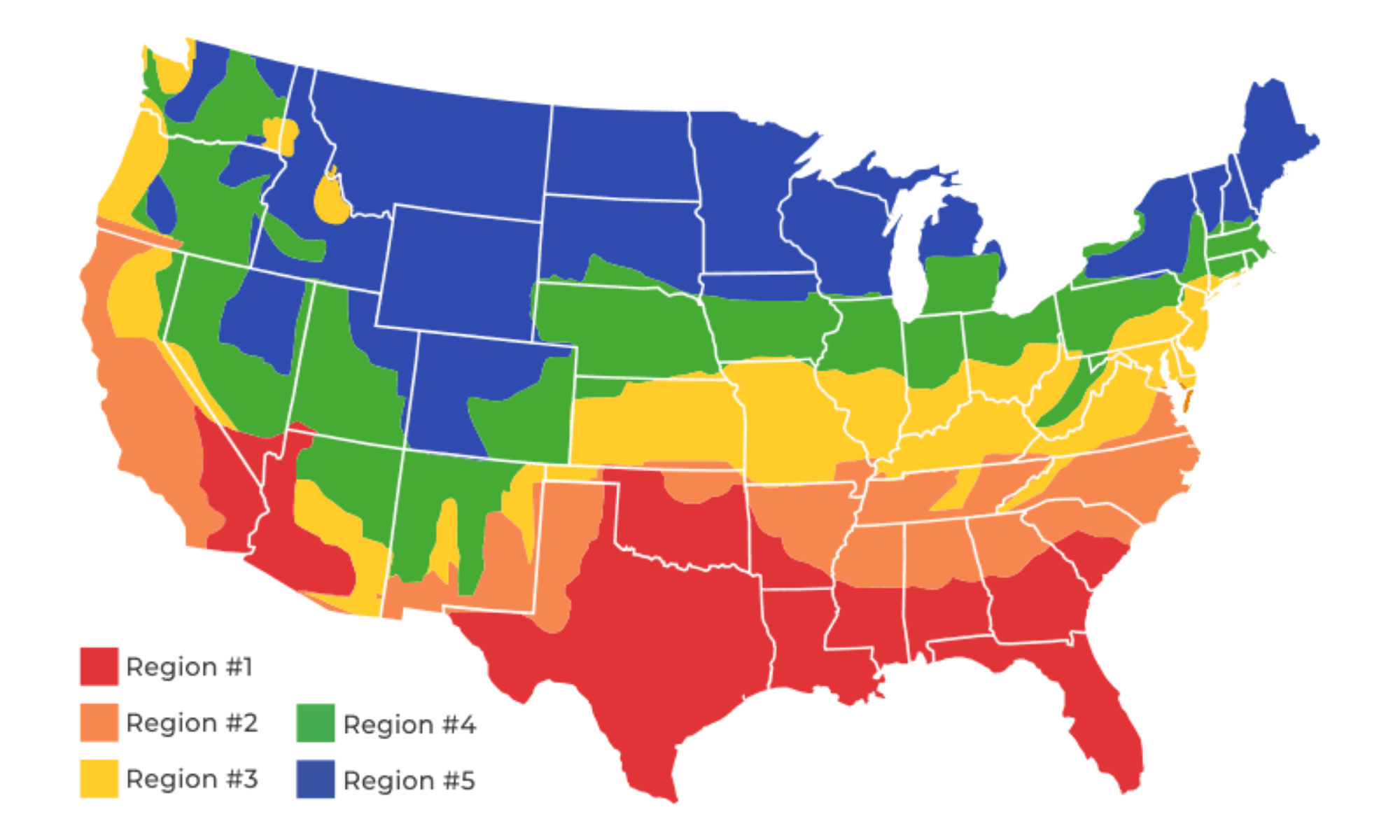
In northern states and higher elevations, gas heaters are popular because they heat quickly no matter how cold the air is, so you can open earlier in spring and swim later in fall. In the South, many owners pair a heat pump for the main season with a gas heater for the spa or for cold snaps. Natural gas is usually the lower-cost fuel where it is available; propane is the choice for homes without a gas line. Local air-quality rules may require low NOx models.
What's Included and Compatibility
This listing is for the Raypak Digital P-R266A-EN-C. Venting kits, gas piping and automation interfaces are typically sold separately.
Manufacturer warranty: 2 years limited.
Ideal for:
- In-ground pools and spas at 0-2,000 ft elevation
- Standard-emission regions (not Low NOx areas)
- Replacement of older Raypak 266 heaters
Built for Homeowners, Contractors and Property Managers
- Homeowners: use our sizing tools and the pool math on this page, then reach out with your pool size, location and existing equipment. We will help you confirm the right model before you order.
- Contractors and installers: order in two clicks, follow every shipment with live tracking, and reorder common parts from the HVAC365 Contractor Portal. We know the labor shortage is real, so we focus on getting the right part to the job the first time.
- Property managers: manage equipment for multiple properties from one dashboard and book a strategy call with our team to standardize models, plan replacements and control maintenance costs.
Frequently Asked Questions About the Raypak Digital P-R266A-EN-C
How fast will the Raypak Digital P-R266A-EN-C heat my pool?
With about 218,120 BTU/hr delivered to the water, it can raise a 20,000-gallon pool roughly 1.3 F per hour before heat losses. A cover and calm weather help it get there faster.
Natural gas or propane: which should I choose?
Choose the fuel you have at the home. This model runs on natural gas. Natural gas and propane versions are not interchangeable without the manufacturer's conversion parts and a qualified technician.
Gas heater or heat pump?
Gas heaters heat fast in any weather and suit spas, occasional use and colder climates. Heat pumps cost less to run in warm climates but heat more slowly and lose capacity as air temperatures drop.
Does it need a permit?
Many jurisdictions require permits for gas and electrical work. Your installer will know local requirements.
How long do gas pool heaters last?
With balanced water chemistry, good flow and annual service, many heaters last 8 to 15 years. Poor water chemistry is the most common cause of early failure.
What warranty does it have?
2 years limited.