


Description
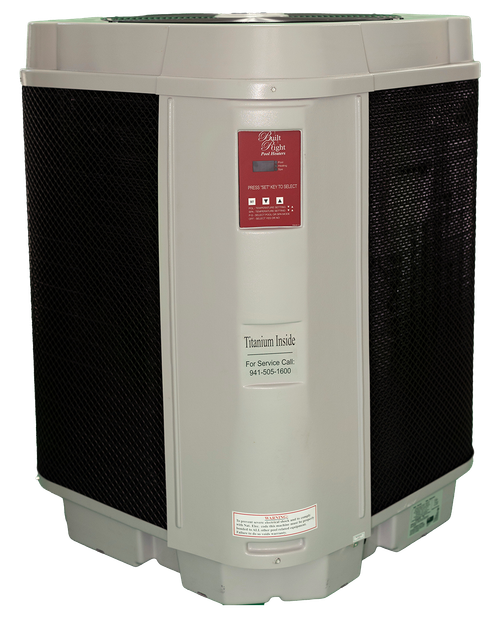
The Built Right BR135XW is a residential pool heat pump from Built Right, rated at 135,000 BTU. It is designed for heating swimming pools and spas on a 230V single-phase electrical supply.
The Built Right BR135XW is a pool heat pump rated at 135,000 BTU. Below we explain how it works, how to size it, what goes into a safe installation, and how to keep it running for years.
Quick Answer: What Is the Built Right BR135XW?
The Built Right BR135XW is a residential pool heat pump with 135,000 BTU/hr capacity. Heat pumps move heat from the air into the water, giving low operating costs in warm climates.
Built Right BR135XW Specifications
| Brand | Built Right |
|---|---|
| Equipment Type | Pool Heat Pump |
| Model Number | BR135XW |
| Heating Capacity (BTU) | 135,000 |
| Fuel Type | Electric |
| Voltage | 230V |
| Phase | Single-Phase |
| Heat/Cool | Heat Only |
| Application | Residential |
Key Features of the Built Right BR135XW
- 135,000 BTU heating capacity
- 230V single-phase electrical supply
How a Pool Heat Pump Works
A heat pump does not burn fuel. A fan pulls outdoor air across an evaporator coil, where refrigerant absorbs the air's heat. A compressor raises the refrigerant's temperature, and a titanium heat exchanger transfers that heat into the pool water flowing through it.
Because it moves heat instead of making it, a heat pump delivers several units of heat for every unit of electricity it uses. That ratio is the COP (coefficient of performance). Higher COP means lower operating cost. Capacity and COP drop as air temperature falls, so heat pumps work best when the air is above about 50 F.
How to Size a Pool Heat Pump
Heat pumps heat more slowly than gas heaters, so they are usually sized to hold a steady temperature over the season rather than to heat quickly on demand. A common starting point is to match capacity to surface area and climate: larger pools, windy sites and cooler regions need more BTU.
At its rated 135,000 BTU/hr (measured at warm test conditions), here are idealized heat-up times with no heat loss. Real times run longer, and a solar cover makes the biggest difference.
| Body of water | Estimated heat-up time |
|---|---|
| 10,000 gal pool, +10 F | 6.2 hours |
| 15,000 gal pool, +10 F | 9.3 hours |
| 20,000 gal pool, +10 F | 12.3 hours |
| 30,000 gal pool, +10 F | 18.5 hours |
| 400 gal spa, +30 F | 44 minutes |
If you want to swim on short notice or heat a spa quickly, consider pairing a heat pump with a gas heater. Our team can help you size the right unit for your pool and location.
Good, Better, Best: Where the Built Right BR135XW Fits
At HVAC365 we organize every category into a simple Good, Better, Best framework so you can compare options without wading through jargon. Within our pool heat pump lineup, this model sits in the Better tier: Balanced performance and upgraded features.
The Better tier balances price and performance, adding upgraded components and features that make day-to-day ownership easier, without the premium cost of flagship equipment.
Compare it with the other tiers in the same category. Whatever you choose, the equipment is brand new and covered by the full manufacturer warranty.
Installation and Electrical Requirements
Heat pumps need a dedicated electrical circuit (230V, single-phase) sized per the manufacturer's manual and installed by a licensed electrician. Place the unit outdoors with plenty of open space around the fan and coil so air can circulate freely; recirculating cold discharge air reduces performance. The unit is plumbed after the filter and before any chlorinator, and needs a level pad and a way for condensate water to drain.
Many jurisdictions require an electrical permit. Your installer will confirm wire size, breaker size and clearances before the project starts.
Maintenance Tips
- Keep leaves, grass clippings and debris away from the coil and fan; rinse the coil gently with a garden hose a few times a season.
- Keep water chemistry balanced to protect the heat exchanger.
- Clean the pool filter regularly; low water flow can trip the flow switch.
- Keep the condensate drain clear. Water around the unit while it runs is normal condensation.
- Winterize the unit in freezing climates by draining water from the heat exchanger.
Heat Pumps by Region
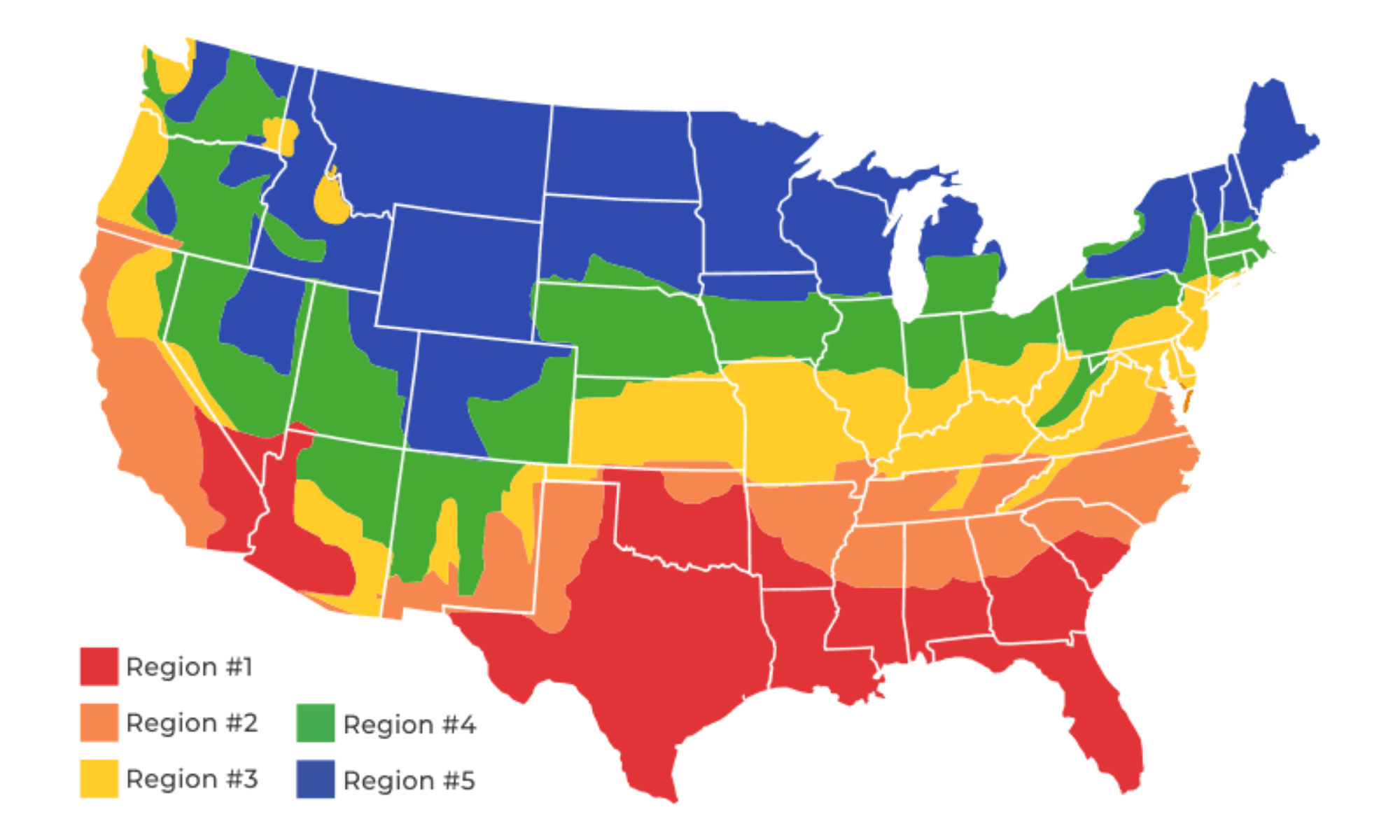
Heat pumps shine in Florida, the Gulf Coast, Southern California, Arizona and other warm regions, where they can heat a pool for a fraction of the cost of gas. In cooler northern climates they still extend the season through late spring and early fall, but output falls as the air cools, so many owners add a gas heater for cold snaps.
What's Included and Compatibility
This listing is for the Built Right BR135XW (model BR135XW). Electrical wiring, breakers, plumbing unions (unless noted) and automation interfaces are typically sold separately.
Built for Homeowners, Contractors and Property Managers
- Homeowners: use the pool math on this page, then reach out with your pool size, location and existing equipment. We will help you confirm the right model before you order.
- Contractors and installers: order quickly, follow every shipment with tracking, and reorder common equipment from the HVAC365 Contractor Portal.
- Property managers: standardize models across properties, plan replacements and control maintenance costs with help from our team.
Frequently Asked Questions About the Built Right BR135XW
How much does it cost to run the Built Right BR135XW?
Operating cost depends on your electric rate, climate and target temperature. Because heat pumps deliver several units of heat per unit of electricity, they typically cost far less to run than gas heaters in warm climates.
Does a heat pump work in cold weather?
Most pool heat pumps work best above about 50 F air temperature. Output and efficiency drop as it gets colder; below that, a gas heater is usually the better choice.
Why is there water around my heat pump?
Heat pumps pull moisture out of the air as they run, so condensation dripping from the base is normal. Your installer can confirm whether water is condensation or a leak.
How long do pool heat pumps last?
With good airflow, balanced water and routine care, many heat pumps last 10 years or more.
What warranty does it have?
It is brand new and covered by the Built Right manufacturer warranty. Warranty terms vary by model and application (residential vs. commercial); see the manufacturer's documentation or ask our team for details.